
 Save to Pinterest
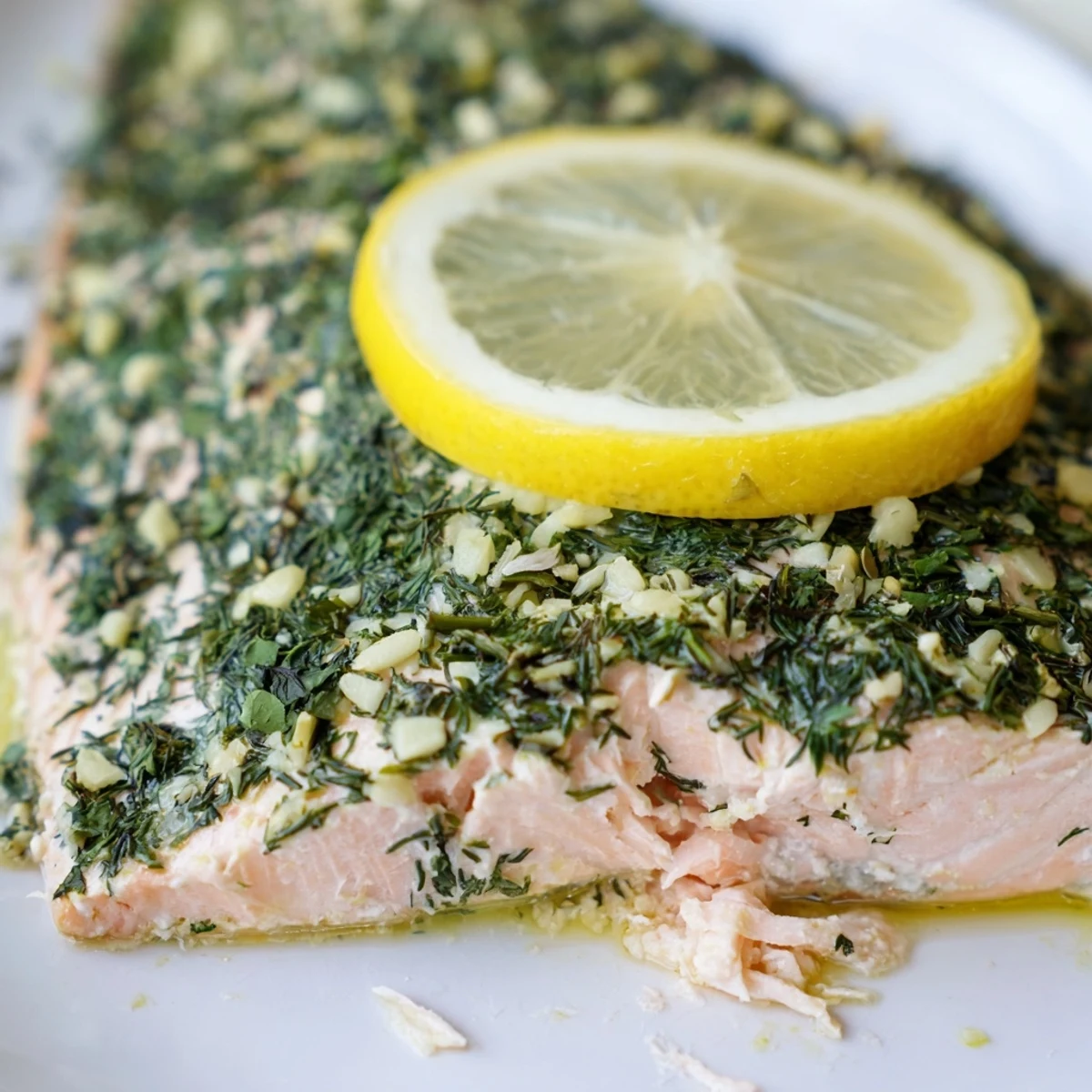
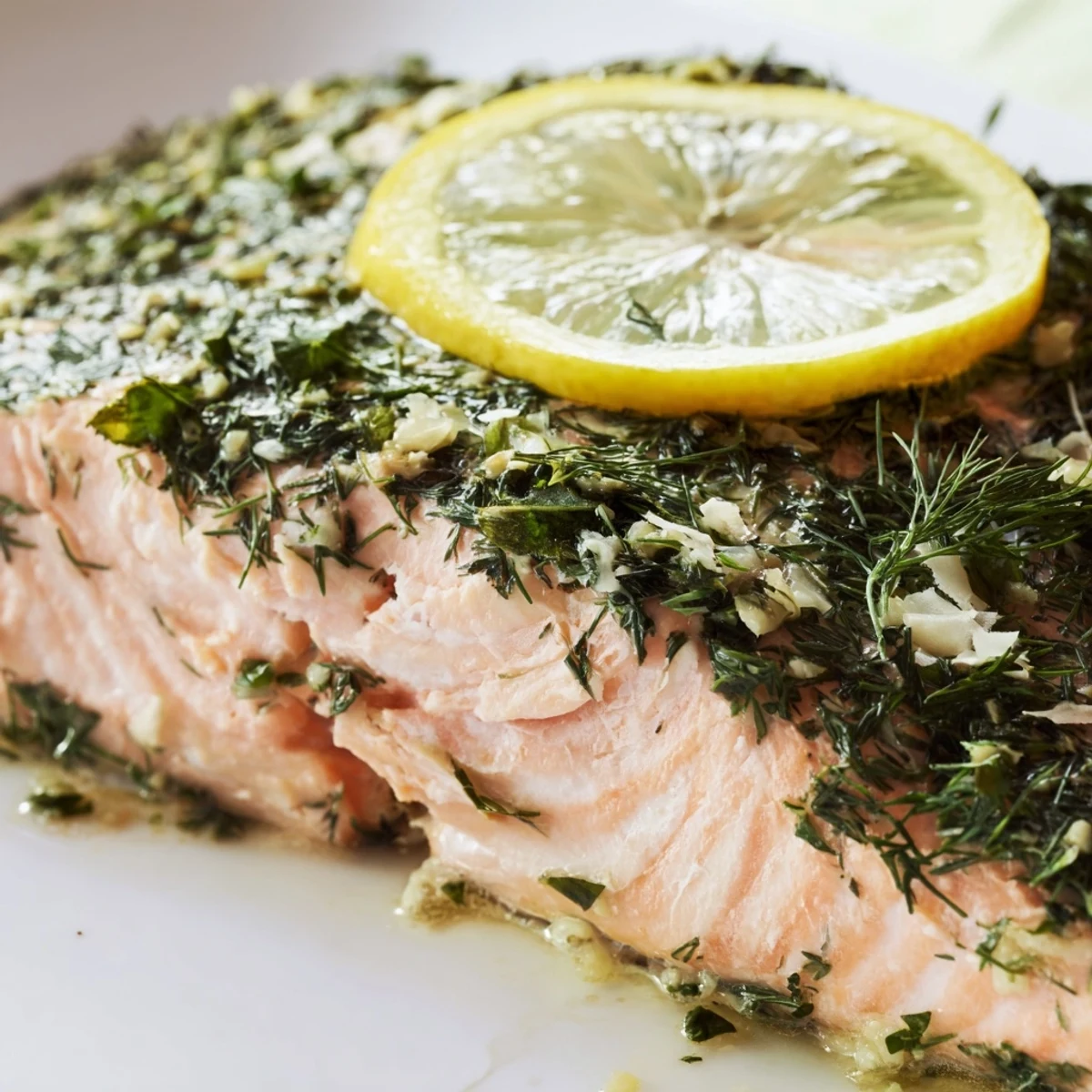
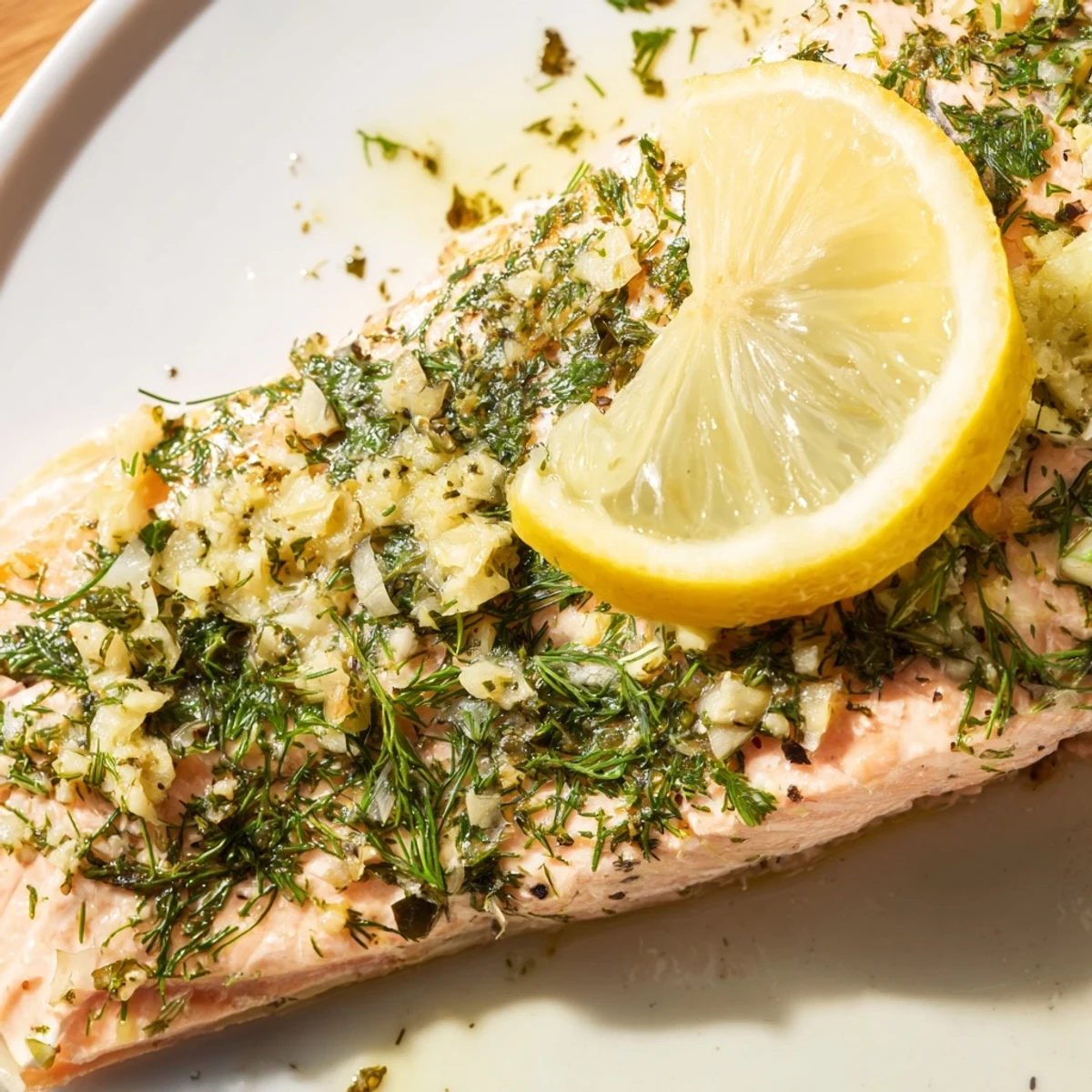
 This dish features salmon fillets enhanced with zesty lemon and a blend of fresh herbs including dill, parsley, and thyme. Olive oil and garlic add depth, while a brief baking ensures a tender, flaky texture. Garnished with lemon slices, it offers a bright, aromatic experience perfect for quick, healthy dinners. Ideal for pescatarian and gluten-free menus, it pairs well with roasted vegetables or fresh salads for a balanced plate.
There's something about the smell of lemon and herbs hitting a hot oven that instantly makes me feel like I've got this. My roommate had surprise guests one Wednesday evening, and I had maybe fifteen minutes to pull together something that looked intentional. A few salmon fillets, some fresh dill from the windowsill, and half a lemon later, everyone was asking for the recipe. That's when I realized how little effort it takes to make something taste restaurant-worthy.
I made this for my mom on a random Sunday when she mentioned being tired of her usual rotation. Watching her actually pause mid-bite to taste it properly—not just eating because it was dinner—that stuck with me. That's the moment I stopped thinking of salmon as something you just cook and started thinking of it as something you could actually care about.
Ingredients
- Salmon fillets (4, about 6 oz each): Skin-on holds the flesh together better while baking, but skinless works if that's what you have—just watch the timing so it doesn't dry out.
- Extra-virgin olive oil (2 tablespoons): This carries all the herb flavors right into the fish, so don't skip it or substitute butter here.
- Fresh lemon (1 large): Zest and juice it yourself; bottled juice tastes like disappointment compared to the real thing.
- Fresh dill (2 tablespoons chopped): The backbone of this dish—it's herbaceous without overpowering, which is exactly what salmon needs.
- Fresh parsley (2 tablespoons chopped): It softens the dill's intensity and adds a grassy, green quality that lightens everything up.
- Fresh thyme (1 teaspoon leaves): A tiny bit goes a long way; dried thyme is fine in a pinch, but use half the amount.
- Garlic (2 cloves, minced): Raw garlic here becomes mellow and almost sweet as it bakes with the salmon.
- Sea salt (¾ teaspoon) and black pepper (½ teaspoon): Season generously but not carelessly—salmon is delicate and doesn't need drowning.
Instructions
- Heat your oven and prep the pan:
- Set the oven to 400°F and line a baking sheet with parchment paper. This small step saves you from salmon sticking, which is its own kind of tragedy.
- Dry and position the salmon:
- Pat each fillet completely dry with paper towels—this helps the skin crisp up if it's on, and the herb mixture stick better. Lay them skin-side down on your sheet.
- Make the herb paste:
- Combine the olive oil, lemon zest, juice, dill, parsley, thyme, garlic, salt, and pepper in a bowl. The mixture should look loose and fragrant, not clumpy.
- Coat the fillets:
- Brush or spoon the herb mixture over each fillet generously, letting some pool in the corners. Don't be shy—this is where all the flavor lives.
- Add lemon slices:
- Top each fillet with a thin lemon slice. This releases its oils while baking and keeps the salmon moist.
- Bake until just cooked:
- Bake for 15 to 18 minutes, depending on thickness. The salmon should flake easily at the thickest point and look opaque, not translucent. Overcooked salmon is dry salmon, so check early if your fillets are thinner.
- Serve right away:
- Plate it immediately with extra lemon wedges and herbs if you want. Hot is best; it starts losing its delicate texture as it cools.
 Save to Pinterest
 The first time my partner actually volunteered to do dishes after dinner, it was after eating this salmon. I'd made it three times that month because I'd finally figured out why restaurants charge so much for something that takes less than half an hour. When someone pushes their plate back and just sits there for a moment, satisfied, that's when you know you've done something right.
Why This Works So Well
There's real chemistry happening here. The lemon zest releases oils when it hits heat, the fresh herbs bloom and perfume the whole salmon, and the olive oil carries everything into the delicate flesh. The result feels fancy without requiring fancy technique—it's just good ingredients respecting each other. Baking at 400°F is the sweet spot: hot enough to create a subtle golden edge, gentle enough that you can't accidentally ruin it if you're a few minutes off.
Timing and Temperature Matter
I learned the hard way that letting salmon sit at room temperature for ten minutes before baking makes a real difference in how evenly it cooks. Cold salmon straight from the fridge takes longer and can cook unevenly at the edges. If you forget and toss it in cold, just add a couple minutes to the baking time and check early.
Variations and Sides
This recipe is flexible without being flighty. I've swapped basil for dill when dill ran out, used chives instead of parsley, and once threw some capers into the herb mixture and never looked back. Pair it with roasted vegetables, quinoa, wild rice, or honestly just a good salad and call it dinner. The beauty of salmon this simple is that it plays nice with almost anything on the plate.
- Try adding a teaspoon of Dijon mustard to the herb mixture for subtle sharpness.
- A pinch of red pepper flakes adds warmth if you like a tiny edge to your food.
- Roasted asparagus or green beans finish the plate without stealing focus.
 Save to Pinterest
 This salmon has become my go-to when I want to feel capable in the kitchen without stress. It's proof that good food doesn't need to be complicated.
Recipe FAQs
- → What is the best way to bake salmon for tenderness?
-
Bake salmon at 400°F for 15-18 minutes until it flakes easily but remains moist inside. Using a herb and lemon mixture helps keep it juicy.
- → Can I prepare the salmon in advance?
-
Yes, marinating the salmon in the herb and lemon mixture for up to 30 minutes before baking enhances flavor and tenderness.
- → Which herbs complement salmon well?
-
Dill, parsley, and thyme provide a fresh and aromatic balance that pairs beautifully with salmon and lemon.
- → How to ensure the salmon doesn't dry out during baking?
-
Use olive oil and brush the herb mixture evenly over the fillets. Baking until just opaque prevents overcooking and dryness.
- → What side dishes work best with baked salmon?
-
Roasted vegetables, quinoa, or fresh green salads complement the bright, fresh flavors without overpowering the salmon.