
 Save to Pinterest
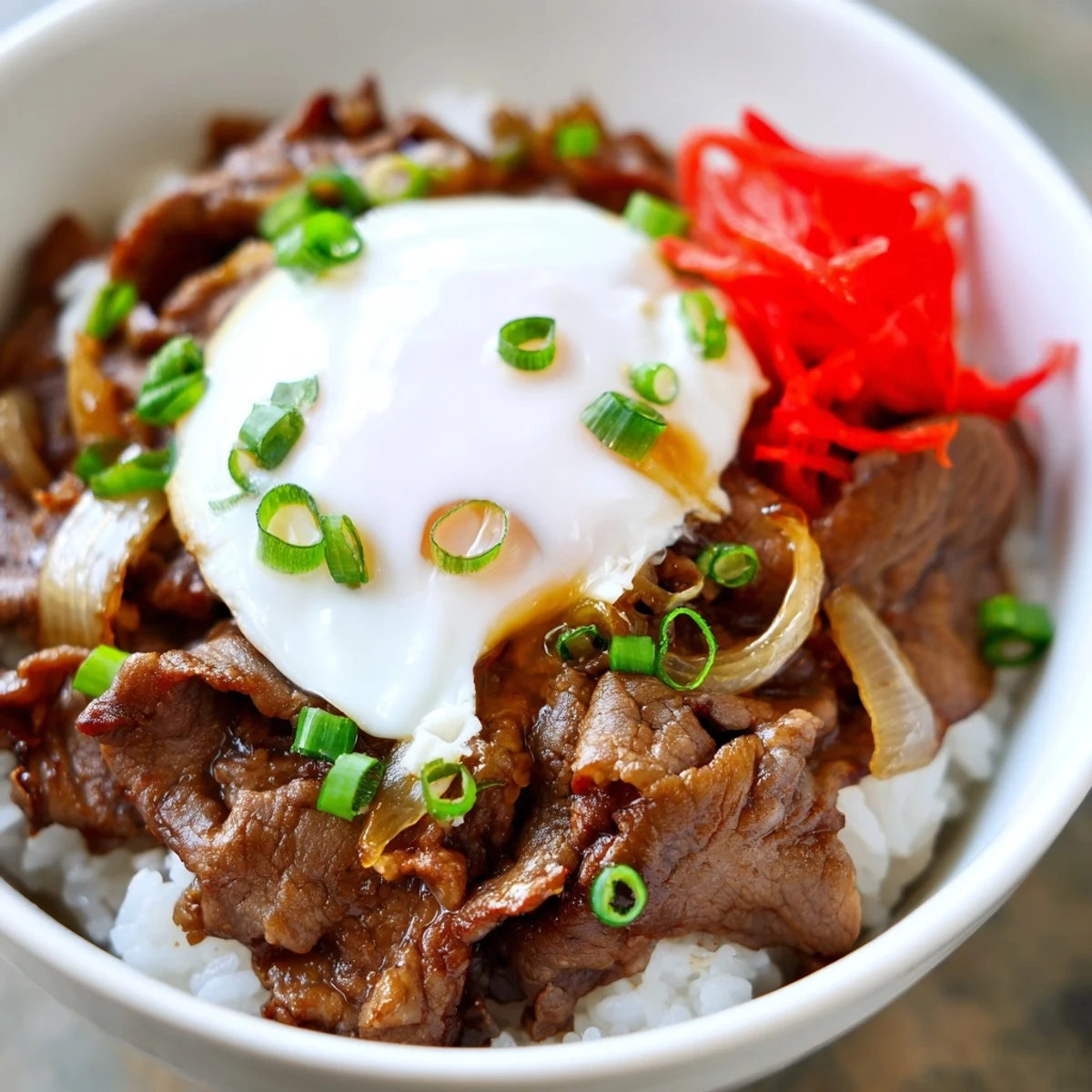
 This dish features thinly sliced beef gently simmered in a savory blend of soy sauce, mirin, sake, and dashi, combining rich umami flavors. Served over fluffy steamed short-grain rice, it creates a comforting and balanced meal inspired by Japanese cooking traditions. Aromatic onions soften in the sauce, enhancing depth, while optional toppings like green onions, pickled ginger, and soft-poached eggs add texture and brightness. Quick to prepare and ideal for four servings, it suits those seeking a hearty yet simple main dish.
There's something about the smell of beef simmering in soy and mirin that makes you stop what you're doing and just breathe it in. I discovered this bowl one evening when I had nothing but rice, some good beef, and pantry staples—no fancy plans, just hunger and curiosity. Twenty minutes later, I was eating something that tasted like it belonged in a Tokyo restaurant, but it came straight from my own kitchen. That's when I knew this recipe was going to become a regular thing.
I made this for a friend who was skeptical about cooking anything "fancy," and watching her take that first bite—sauce dripping down her chin, green onions stuck to her chopsticks—I saw her understand why comfort food can also be delicious. She asked for the recipe before she even finished eating, and now she texts me photos of her versions. That's the kind of recipe that brings people back to the table.
Ingredients
- Beef sirloin or ribeye, thinly sliced (500 g): Get your butcher to slice it, or buy it pre-sliced if you can—it saves time and your knife arm. The thinness matters because the meat cooks in minutes and becomes tender in the sauce.
- Short-grain white rice (2 cups uncooked): This is the foundation, and rinsing it first means fluffier grains that actually separate instead of clumping together.
- Dashi stock or low-sodium beef broth (1 cup): Dashi brings depth; broth works fine if that's what you have, though the flavor shifts slightly toward Western comfort than Japanese elegance.
- Soy sauce (4 tbsp): Don't skip quality here—a good soy sauce tastes less salty and more complex, which matters when it's the star of your sauce.
- Mirin (2 tbsp): This sweet rice wine is what makes the sauce silky and gives it that restaurant-quality shine; there's really no substitute that works the same way.
- Sake (1 tbsp): A tiny splash adds brightness and cuts through the richness of the beef.
- Sugar (1 tbsp): Balances the salt and soy, creating that sweet-savory thing your tongue keeps coming back for.
- Large onion, thinly sliced: The onion softens into the sauce and becomes almost caramelized, adding sweetness and body to every spoonful.
- Green onions, thinly sliced (for garnish): Fresh, sharp, and necessary—they cut through the richness and add color that makes the bowl feel alive.
- Eggs, soft-poached or raw (optional): If you go this route, the warm rice cooks the raw egg slightly, and you get this creamy richness that's absolutely worth it.
- Pickled ginger, or beni shoga (optional): A small pile of this tangy pink stuff on top is traditional and does something special—it brightens everything and aids digestion too.
Instructions
- Start the rice first:
- Rinse your rice under cold water, swishing it with your hand until the water runs mostly clear—this removes starch so grains stay separate. Get it going in a cooker or pot according to package instructions; it'll be ready by the time everything else is done.
- Build your sauce base:
- Heat a large skillet over medium heat and add dashi, soy sauce, mirin, sake, and sugar all at once. Stir for about a minute until the sugar dissolves completely, and you'll see the color darken slightly and smell something incredible—that's your signal to move forward.
- Soften the onions:
- Add your sliced onions to the simmering sauce and let them sit for about five minutes, stirring occasionally. They'll start turning translucent and sweet, soaking up all that flavor.
- Cook the beef gently:
- Add your beef slices, spreading them out so they're not clumped in one pile—separate them with your spoon as they hit the hot liquid. Simmer for three to five minutes, just until the pink fades, because overcooked beef gets tough and defeats the whole purpose.
- Taste and adjust:
- Before you move on, grab a spoon and try the sauce. Is it salty enough? Sweet enough? Add a pinch more soy if it needs depth, or a touch more sugar if it tastes too sharp.
- Assemble with intention:
- Divide your fluffy rice into four bowls, then spoon the beef and onions right into the center of each bowl, making sure you pour plenty of that gorgeous sauce over the rice. The rice will soak it up and become better than just rice—it becomes the whole reason you came back for seconds.
- Finish with personality:
- Top each bowl with green onions, a small pile of pickled ginger if you're using it, and an egg if you want that extra richness. Serve immediately while everything's still warm and the steam is still rising.
 Save to Pinterest
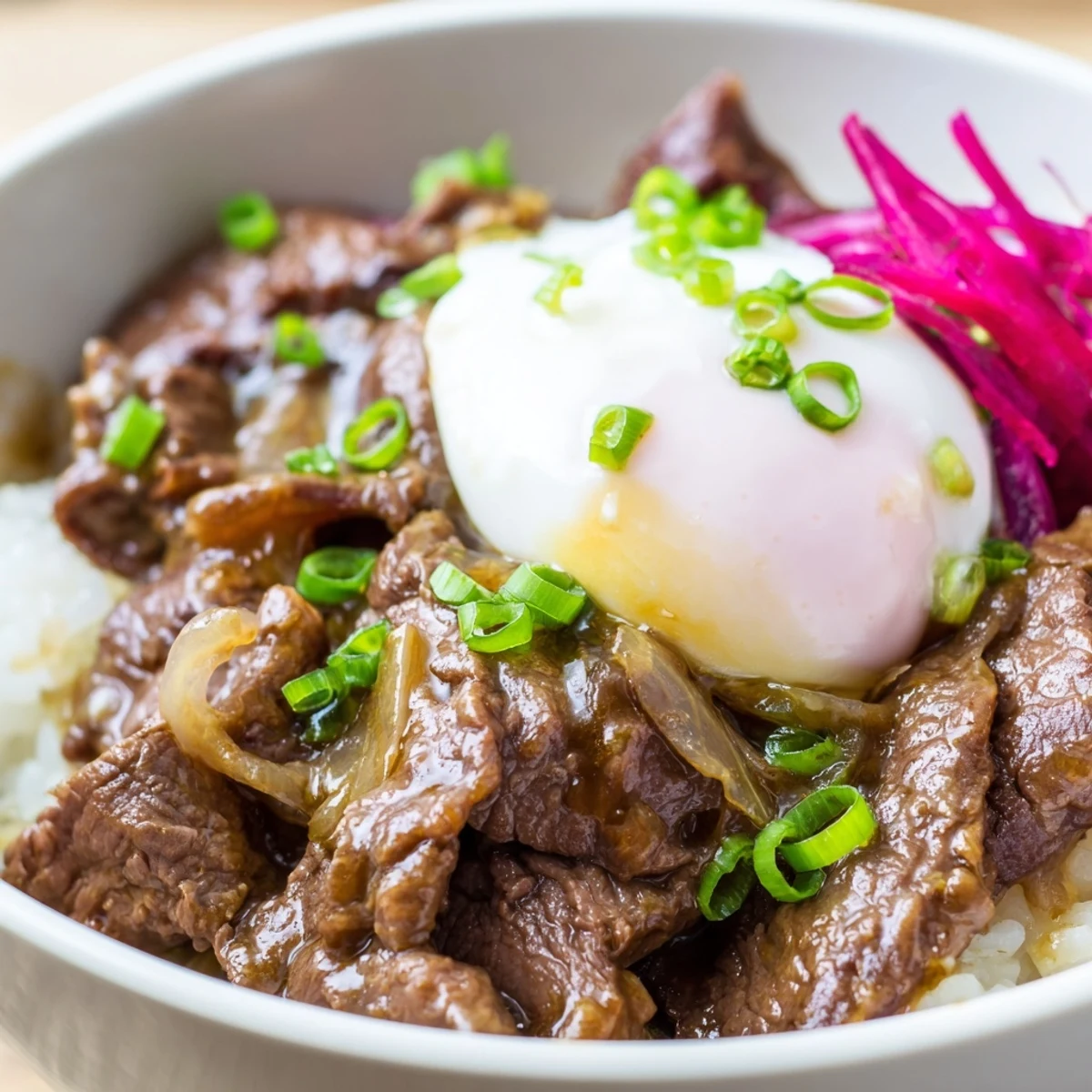
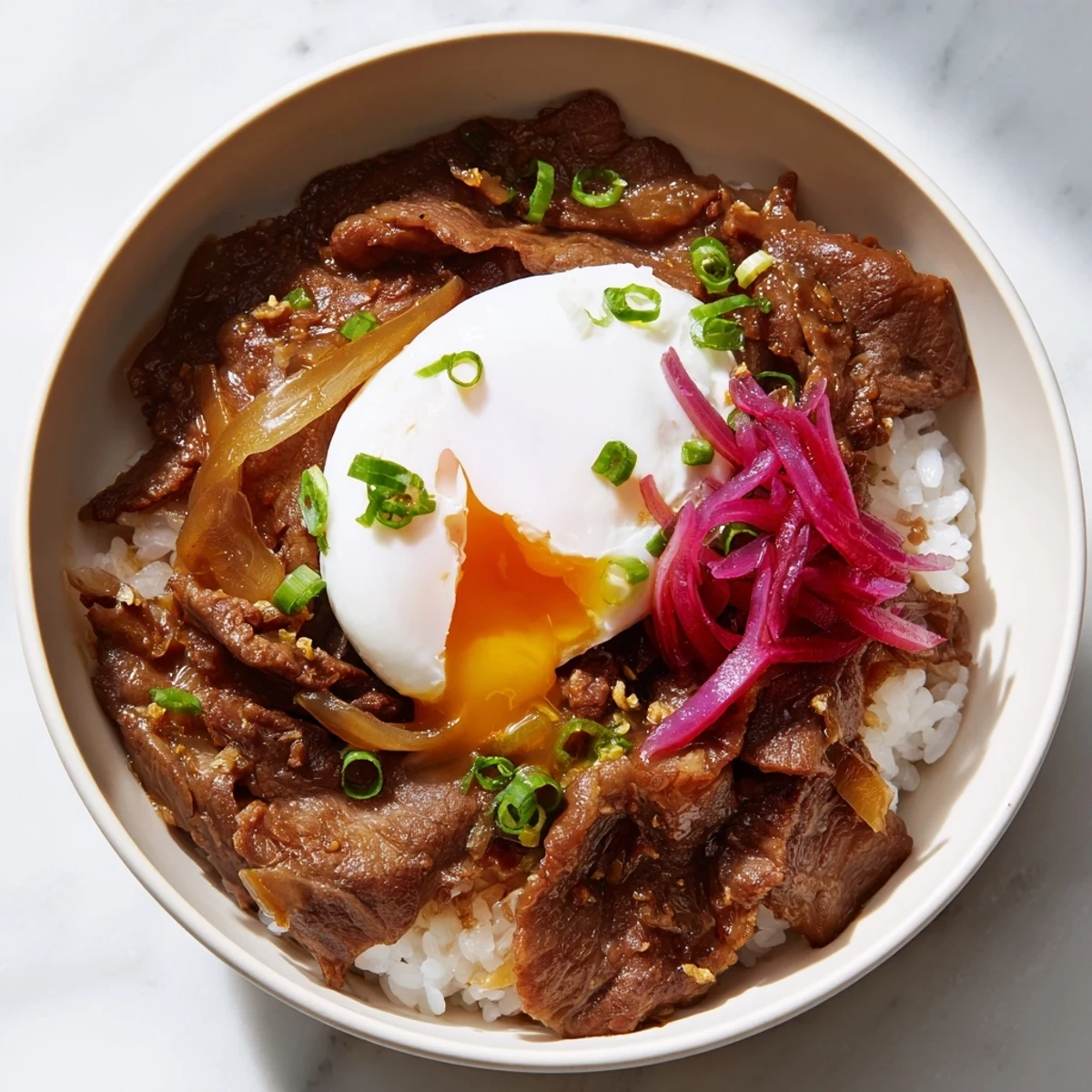
 There was this one time I added the egg at the very last second and let the warm rice cook it just slightly—the way the yolk broke and mixed with the sauce made the whole bowl richer, and I understood why it's served this way in Tokyo. It's not fancy, but it's thoughtful, and that's the kind of cooking that matters.
Why This Beats Takeout
You control the beef quality and how much sauce you want; there's no mystery about what's in it, and you're not paying restaurant markup for something that takes thirty minutes total. Plus, your kitchen smells like a Japanese restaurant, your family asks what's for dinner before you even mention it, and you made something delicious without the stress.
Variations Worth Trying
Chicken breast works beautifully and cooks in about the same time, though you might add an extra minute to the simmer. Firm tofu is a great vegetarian route—just handle it gently so it doesn't fall apart, and maybe simmer it a minute longer so it absorbs more sauce. You can also amp up the vegetables by adding mushrooms, bell peppers, or carrots; just chop them small and add them with the onions so they soften properly.
The Small Details That Matter
The thinness of your beef slices changes everything—thick pieces need longer cooking and turn chewy, while thin slices stay tender and cook in the time it takes to heat through. Your rice also matters; short-grain rice absorbs sauce without turning mushy, while long-grain rice stays too separate. And that moment where you pour the hot sauce over the warm rice and watch it soak in—that's where the magic happens, so don't skip it.
- If you can't find mirin, use a splash of white wine and add half a tablespoon of sugar, though the result tastes a bit different.
- Make extra sauce—there's always someone who wants more poured over their rice.
- Soft-poach your egg in advance if you're cooking for guests, so you're not juggling too many things at once.
 Save to Pinterest
 This is the kind of recipe that becomes a weeknight staple because it asks so little and gives so much. Once you've made it, you'll find yourself craving it, and that's when you know you've found something special.
Recipe FAQs
- → What cut of beef works best for this dish?
-
Thinly sliced sirloin or ribeye are preferred for their tenderness and quick cooking time, ensuring juicy, flavorful bites.
- → Can I use a different grain instead of short-grain rice?
-
While short-grain rice is traditional for its stickiness, you can substitute with jasmine or basmati rice for a different texture.
- → How do mirin and sake influence the flavor?
-
Mirin adds subtle sweetness and depth, while sake enhances aroma and complexity, balancing the savory soy sauce base.
- → Is it necessary to poach the eggs before serving?
-
Soft-poached or raw eggs add creaminess and richness, but toppings can be adjusted to preference or omitted entirely.
- → What are good beverage pairings with this bowl?
-
A light Japanese lager or steaming green tea complements the savory and slightly sweet flavors perfectly.