
 Save to Pinterest
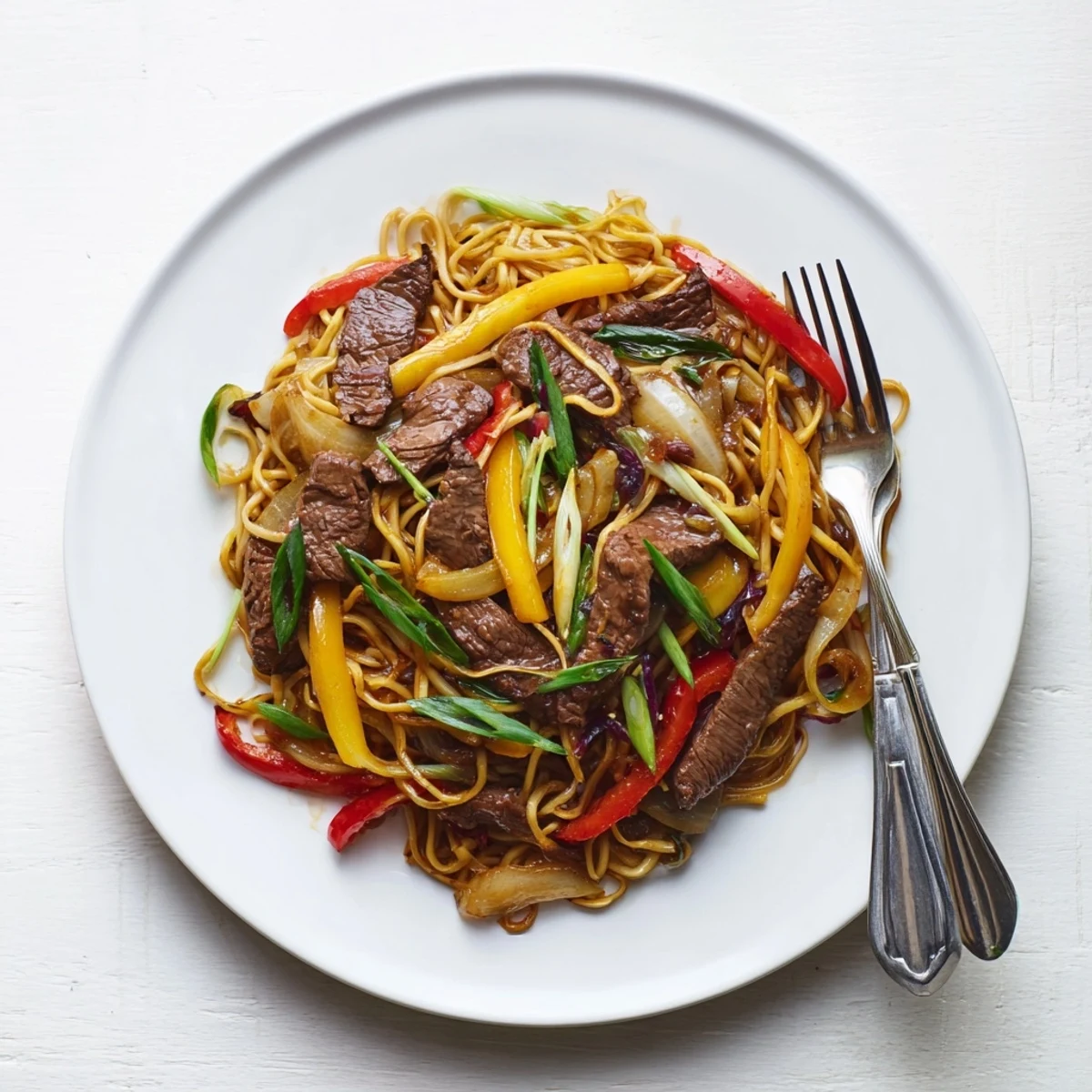
 This classic Chinese-style dish combines thinly sliced beef sirloin with colorful bell peppers and sweet onions, all quickly stir-fried and tossed with chewy egg noodles in a rich, savory sauce. The high-heat cooking method ensures tender beef and crisp-tender vegetables, while the blend of soy, oyster, and hoisin sauces creates that signature umami depth perfect for a satisfying weeknight dinner.
The sizzle of beef hitting a smoking wok on a Tuesday night is my favorite kind of kitchen music. This chow mein came together one evening when the fridge offered half a bell pepper and a stubborn craving for something saucy over noodles. Now it is the dish I reach for when takeout feels too slow and cooking something elaborate feels impossible.
My roommate once stood in the kitchen doorway watching me toss noodles airborne in the wok and declared it looked like a cooking show. I nearly dropped the whole batch catching it on the way down, but those noodles landed right back in the pan and dinner was saved.
Ingredients
- 350 g beef sirloin, thinly sliced: Sirloin gives you tender bites that cook in under two minutes, and slicing it thin while slightly frozen makes uniform pieces effortless.
- 2 bell peppers (red and yellow), thinly sliced: Two colors are not just pretty, they add slightly different sweetness levels that keep each bite interesting.
- 1 large onion, thinly sliced: Onion softens into sweet ribbons that tangle with the noodles beautifully.
- 2 spring onions, sliced: Save these for the end because their mild bite as a garnish is what makes it feel finished.
- 2 cloves garlic, minced: Fresh garlic punched into the hot wok creates the aromatic backbone of the whole dish.
- 1 thumb-sized piece ginger, julienned: Thin strips of ginger distribute warmth without overpowering any single bite.
- 300 g chow mein noodles: Egg noodles work too, but classic chow mein noodles have that satisfying chew that holds up to vigorous tossing.
- 3 tbsp soy sauce: This is your salt and depth all in one, so use a good quality brand you actually enjoy.
- 1 tbsp oyster sauce: The secret weapon that adds a savory richness you cannot quite name but absolutely notice when it is missing.
- 1 tbsp hoisin sauce: A touch of sweetness and complexity that rounds out the sharper soy and ginger notes.
- 1 tbsp sesame oil: Added to the sauce rather than the pan, it preserves its toasty fragrance without burning off.
- 1 tsp cornstarch mixed with 1 tbsp water: This slurry thickens the sauce just enough to coat rather than pool at the bottom.
- 1/2 tsp black pepper and 1/2 tsp sugar: Balanced together they sharpen and soften the sauce in equal measure.
- 2 tbsp vegetable oil: Divided between the beef and the vegetables so everything gets proper contact heat without steaming.
Instructions
- Whisk the sauce together:
- Combine soy sauce, oyster sauce, hoisin, sesame oil, black pepper, sugar, cornstarch, and water in a small bowl until the cornstarch disappears completely and the mixture looks smooth and dark.
- Cook and drain the noodles:
- Follow the package directions, then rinse them under cold water immediately so they stop cooking and do not turn gummy while waiting.
- Sear the beef in batches:
- Heat one tablespoon of oil in your wok over the highest heat your stove allows, spread the beef in a single layer, and let it sear without stirring for about a minute before tossing until just browned, then remove it to a plate.
- Build the aromatic base:
- Add the remaining oil, throw in the garlic, ginger, and onion, and stir furiously for one minute until your kitchen smells like a restaurant kitchen at full tilt.
- Cook the peppers to crisp-tender:
- Toss the bell pepper strips into the wok and keep them moving for two to three minutes, aiming for bright color with just a little bite remaining.
- Bring it all together:
- Return the beef, add the noodles, pour the sauce over everything, and toss with confidence for two to three minutes until every strand is coated and glistening.
- Finish with spring onions:
- Scatter the sliced spring onions over the top, give one final toss, and serve straight from the wok while it is piping hot.
 Save to Pinterest
 Somewhere between the second and third time I made this, it stopped being a recipe and became a weeknight reflex. The measurements are now a pour and a splash, and somehow it tastes better every time.
Marinating the Beef
Ten minutes in a mixture of one tablespoon soy sauce and one teaspoon cornstarch transforms already good sirloin into impossibly silky pieces. The cornstarch creates a thin shield that locks in moisture during that fierce wok heat, and the soy sauce seasons from the outside in. It is a small step that costs almost no effort and pays for itself on the first bite. Skip it on a rushed night and you will notice the difference immediately.
Swapping Proteins and Vegetables
Chicken thigh works beautifully if you cut it the same way, and firm tofu pressed and cubed is a surprisingly satisfying substitute that soaks up sauce like a sponge. Snow peas, julienned carrots, or a handful of bean sprouts can join or replace the peppers without changing the cooking time much. The sauce is flexible enough to welcome almost anything, which makes this recipe more of a template than a rulebook.
Pairing and Serving Ideas
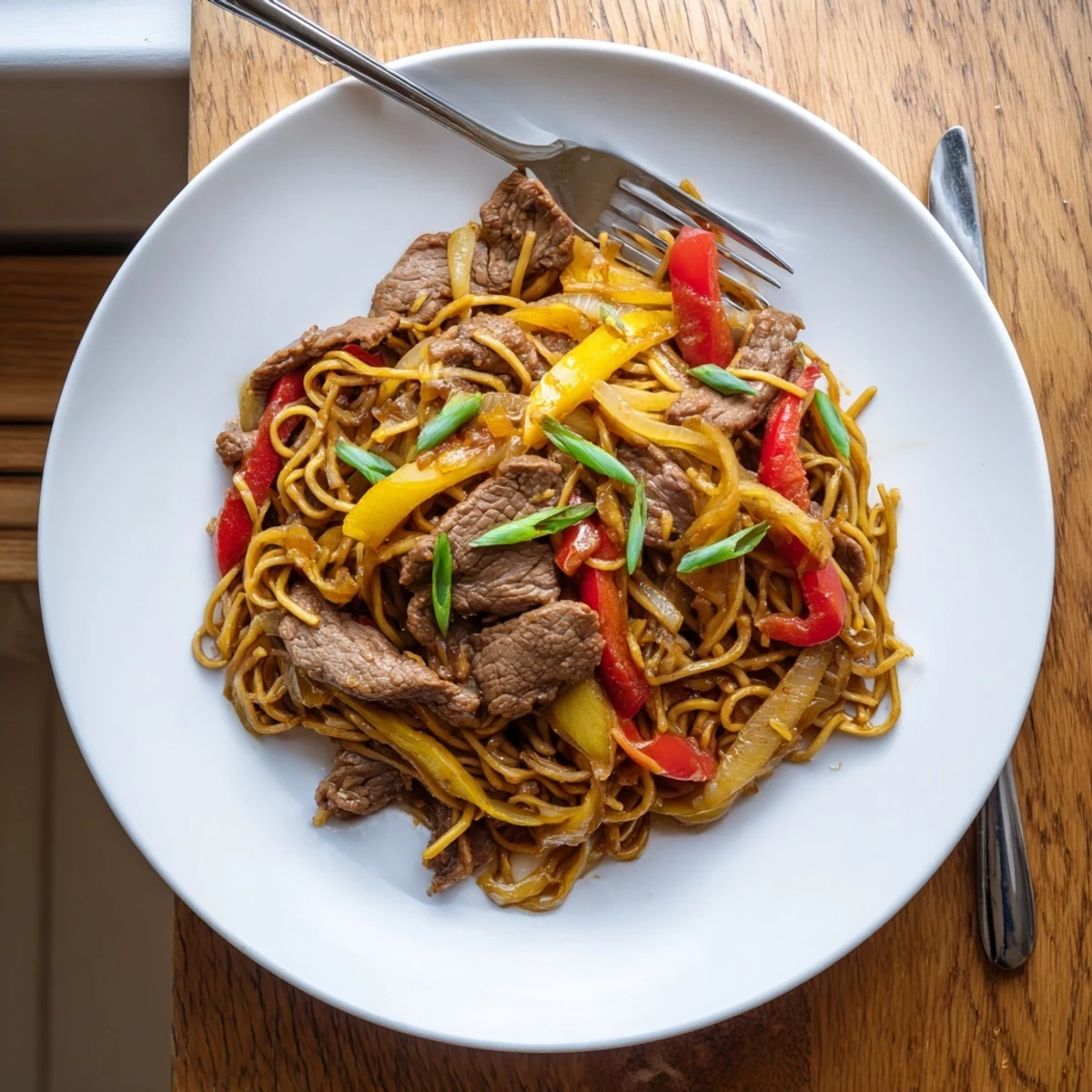
A cold lager or a pot of jasmine tea alongside turns a quick dinner into something that feels intentional, even on a random Wednesday. I like to serve it straight from the wok onto warm plates because it loses its glossy sheen quickly once it sits. Leftovers reheat surprisingly well in a dry skillet the next day.
- Keep extra sriracha or chili oil on the table for anyone who wants heat.
- A squeeze of lime over the finished dish brightens everything in an unexpected way.
- Remember that the noodles firm up as they cool, so eat while hot for the best texture.
 Save to Pinterest
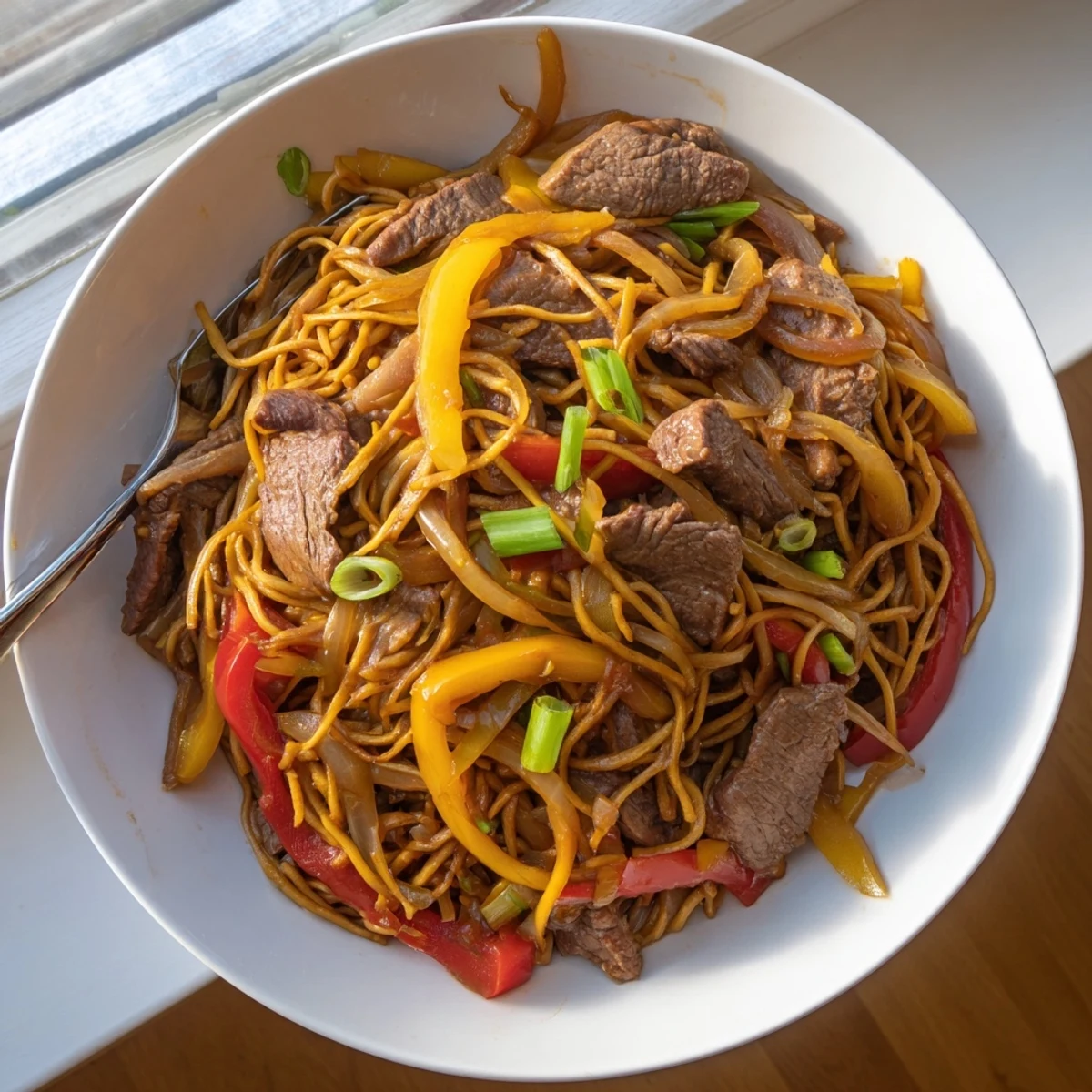
 This dish asks for almost nothing besides heat and hustle, and it gives back a plate of noodles that rivals anything from a paper takeout box. Make it once and it will live in your rotation forever.
Recipe FAQs
- → What cut of beef works best?
-
Beef sirloin is ideal for its tenderness and quick cooking. Flank steak or skirt steak also work well when sliced thinly against the grain.
- → Can I use different noodles?
-
Egg noodles, lo mein noodles, or even spaghetti work as substitutes. Just cook until al dente and rinse with cold water to prevent sticking.
- → How do I prevent beef from getting tough?
-
Slice beef thinly across the grain, cook quickly over high heat, and avoid overcrowding the pan. Marinating briefly also helps tenderize.
- → What vegetables can I add?
-
Snow peas, bean sprouts, carrots, bok choy, or mushrooms make excellent additions while maintaining the authentic texture and flavor profile.
- → Is this dish spicy?
-
This version is mild but you can easily add heat with sliced fresh chilies, chili garlic sauce, or crushed red pepper flakes to taste.