
 Save to Pinterest
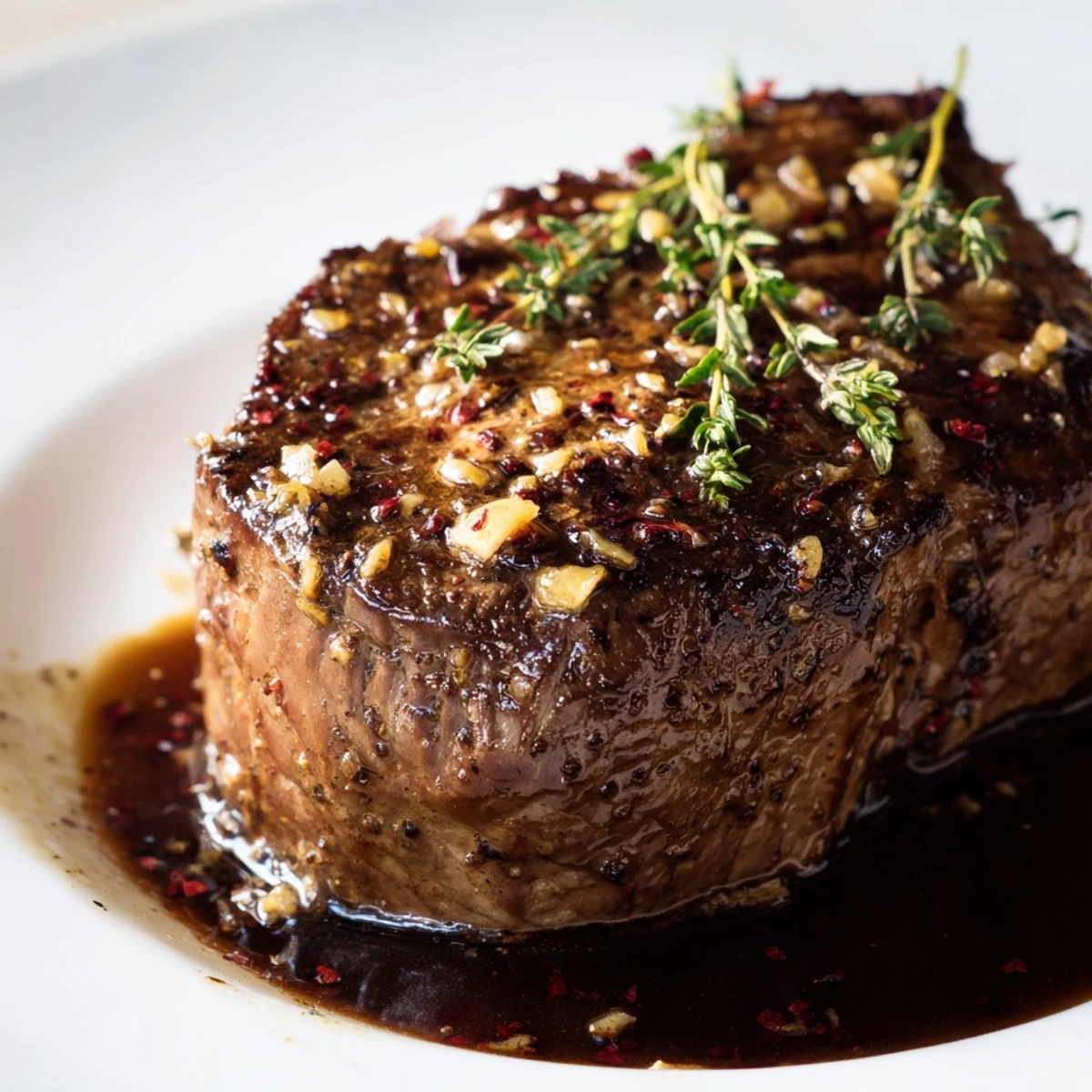
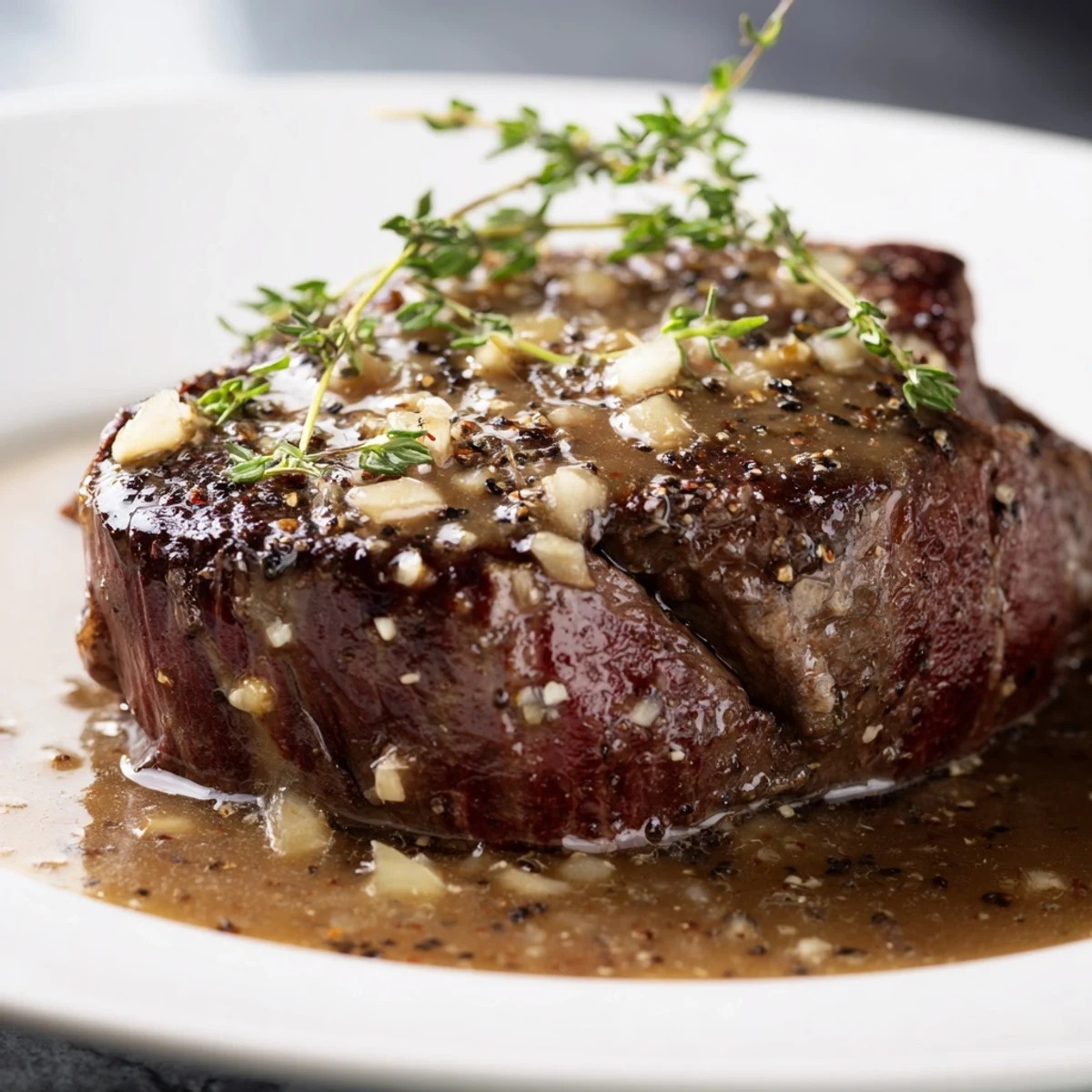
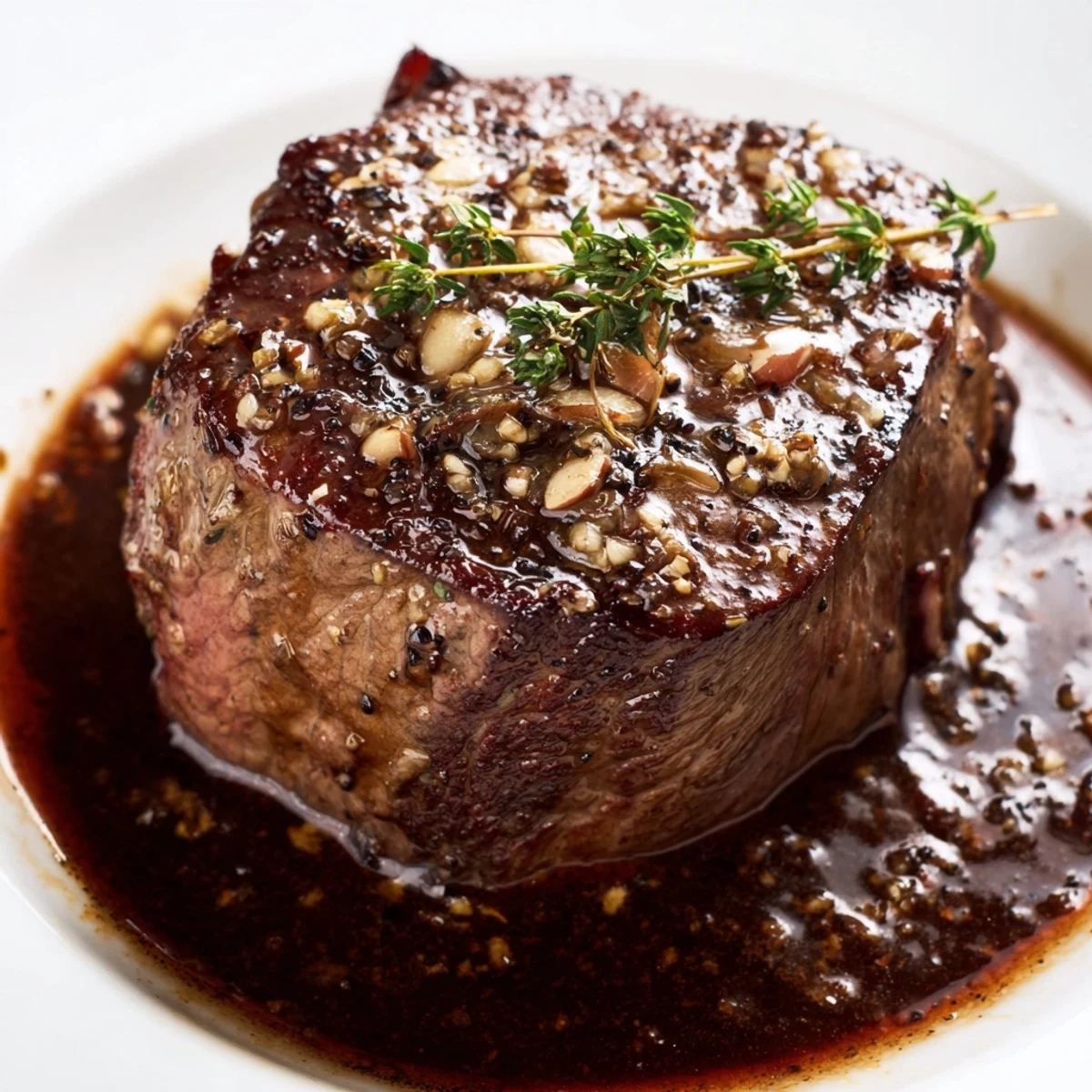
 This dish features tender beef fillet steaks, seasoned and pan-seared to medium-rare for optimal juiciness. After resting, a rich pan sauce made from butter, shallots, garlic, red wine, beef stock, and fresh thyme enhances the flavor. Garnished with parsley or thyme, it’s perfect for a refined dinner. Adjust searing time to suit your preferred doneness and serve alongside roasted vegetables or salad for a complete meal experience.
The smell of a searing steak still takes me back to a quiet Wednesday evening when I decided to stop saving good ingredients for special occasions. I pulled two fillets from the fridge, feeling nervous about overcooking them, and reminded myself that confidence matters more than fancy equipment. Twenty minutes later, I was eating the kind of meal I used to order out for. It taught me that restaurant-quality steak is mostly about heat, timing, and not fussing too much.
I made this for my partner on our anniversary at home when restaurants were fully booked. The kitchen filled with the scent of butter and thyme, and we ate at the counter because we were too hungry to set the table. That meal felt more memorable than any reservation could have been. It became our tradition, proof that intimacy and good food don't need reservations.
Ingredients
- Beef fillet steaks: Choose steaks with a deep red color and slight marbling, and let them sit out before cooking so they sear instead of steam.
- Sea salt: Coarse salt clings better to the surface and creates a flavorful crust without making the meat taste overly salty.
- Freshly ground black pepper: Grind it just before use for a sharp, aromatic bite that pre-ground versions cannot match.
- Vegetable oil or clarified butter: High smoke point fats prevent burning at the intense heat needed for a proper crust.
- Unsalted butter: Adds richness to the sauce and lets you control the salt level without overshooting.
- Shallot: Milder and sweeter than onion, it dissolves into the sauce and adds depth without overpowering the beef.
- Garlic clove: One crushed clove perfumes the pan without turning bitter or harsh under high heat.
- Dry red wine: Use something you would actually drink, the flavor concentrates and cheap wine tastes even cheaper in a reduction.
- Beef stock: Homemade is lovely, but a good quality store-bought version works perfectly and saves hours.
- Fresh thyme leaves: Thyme loves beef and butter, its earthy flavor ties the sauce together without tasting like a herb garden exploded.
- Fresh parsley or thyme sprigs: A small green finish adds color and a hint of freshness to cut through the richness.
Instructions
- Bring Steaks to Room Temperature:
- Pull the fillets from the fridge half an hour before cooking and pat them completely dry with paper towels. A dry surface sears beautifully, while a wet one steams and turns gray.
- Season Generously:
- Sprinkle both sides with sea salt and black pepper, pressing gently so it adheres. Do not be shy, the seasoning forms the crust and most of it stays on the outside.
- Heat the Pan:
- Set a heavy skillet over high heat and add the oil or clarified butter, watching until it shimmers and almost smokes. The pan must be screaming hot or the steak will stick and cook unevenly.
- Sear the Steaks:
- Lay the fillets in the pan without moving them, letting them develop a dark crust for 2 to 3 minutes per side. Use tongs to flip once, resisting the urge to peek or press down.
- Check Doneness:
- Insert a meat thermometer into the thickest part, aiming for 52 to 54 degrees Celsius for medium-rare. Trust the numbers, not the clock, because steak thickness varies.
- Rest the Meat:
- Transfer steaks to a warm plate and tent loosely with foil, giving the juices time to redistribute. Skipping this step means a puddle on the plate and dry bites.
- Start the Sauce:
- Lower the heat to medium and add butter to the same pan, then toss in the shallot and garlic. Stir for about a minute until fragrant and softened, scraping up any stuck bits.
- Deglaze and Simmer:
- Pour in the wine and stock, stirring to lift all the browned flavor from the bottom, then add thyme and let it bubble for 2 to 3 minutes. The sauce will thicken slightly and smell incredible.
- Finish and Serve:
- Return the steaks to the pan for 30 seconds to warm and coat them, or spoon the sauce over plated steaks. Garnish with parsley or thyme and serve immediately while everything is hot.
 Save to Pinterest
 One evening I plated this with nothing but roasted potatoes and felt like I had cracked some kind of culinary code. My friend looked up mid-bite and said it tasted like the kind of meal you remember years later. That is when I realized good cooking is less about complexity and more about respecting a few simple things done right.
Choosing the Right Cut
Fillet is prized for tenderness, not bold beefy flavor, so it benefits from a flavorful crust and a rich sauce. Look for steaks that are evenly thick so they cook at the same rate. If your butcher can cut them to order, ask for about 1 and a half inches, which gives you a good sear without overcooking the center.
What to Serve Alongside
This steak pairs beautifully with anything that soaks up the pan sauce, like creamy mashed potatoes, roasted baby potatoes, or even a pile of buttery egg noodles. Green beans, sautéed spinach, or a crisp salad with a sharp vinaigrette cut through the richness and keep the plate balanced. Keep sides simple so the steak stays the star.
Storing and Reheating
Leftover steak can be refrigerated in an airtight container for up to three days, though it is never quite the same reheated. Slice it thin and toss with greens for a quick steak salad, or warm gently in a low oven to avoid turning it tough. The pan sauce keeps well and can be reheated in a small pan with a splash of stock to loosen it.
- Wrap cooled steak tightly in foil before refrigerating to prevent it from drying out.
- Reheat at a low temperature, around 120 degrees Celsius, just until warmed through.
- Use leftover sauce on roasted vegetables, mashed potatoes, or even scrambled eggs for a luxurious breakfast.
 Save to Pinterest
 This recipe taught me that cooking something special does not mean spending hours in the kitchen or buying exotic ingredients. It just means paying attention, trusting your instincts, and giving yourself permission to make something beautiful on a random Tuesday.
Recipe FAQs
- → How do I achieve medium-rare doneness?
-
Sear beef fillet steaks for 2–3 minutes per side and check internal temperature with a meat thermometer; 52–54°C (125–130°F) indicates medium-rare.
- → Can I substitute red wine in the pan sauce?
-
Yes, a splash of brandy or additional beef stock can be used to maintain depth of flavor in the pan sauce.
- → What oil is best for searing the beef?
-
Vegetable oil or clarified butter works well for high-heat searing, providing a good sear without burning.
- → Should the steaks rest before serving?
-
Allow steaks to rest tented with foil for a few minutes after searing to redistribute juices and ensure tenderness.
- → What sides pair well with this dish?
-
Roasted potatoes, green beans, or a fresh salad complement the beef fillet steak and pan sauce excellently.