
 Save to Pinterest
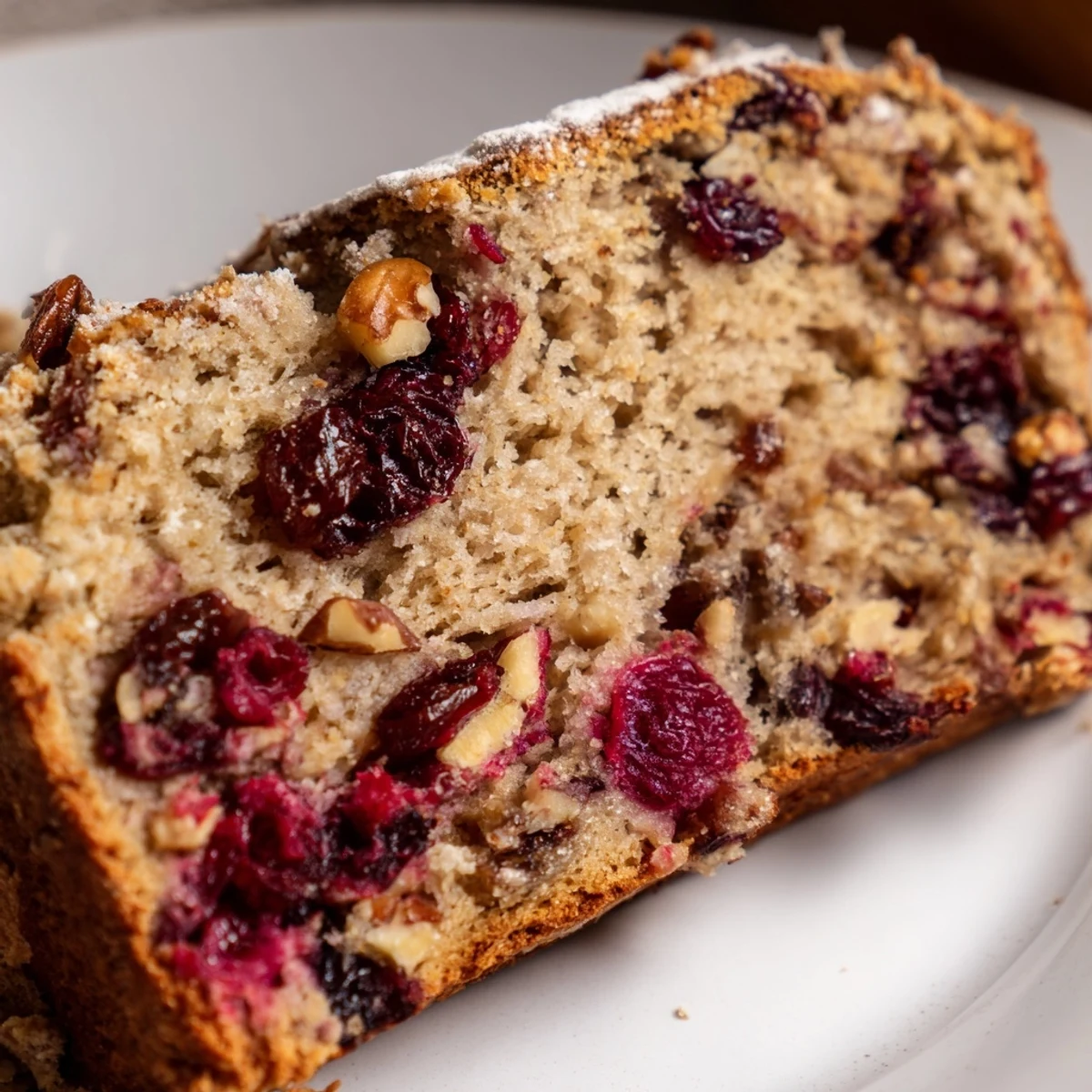
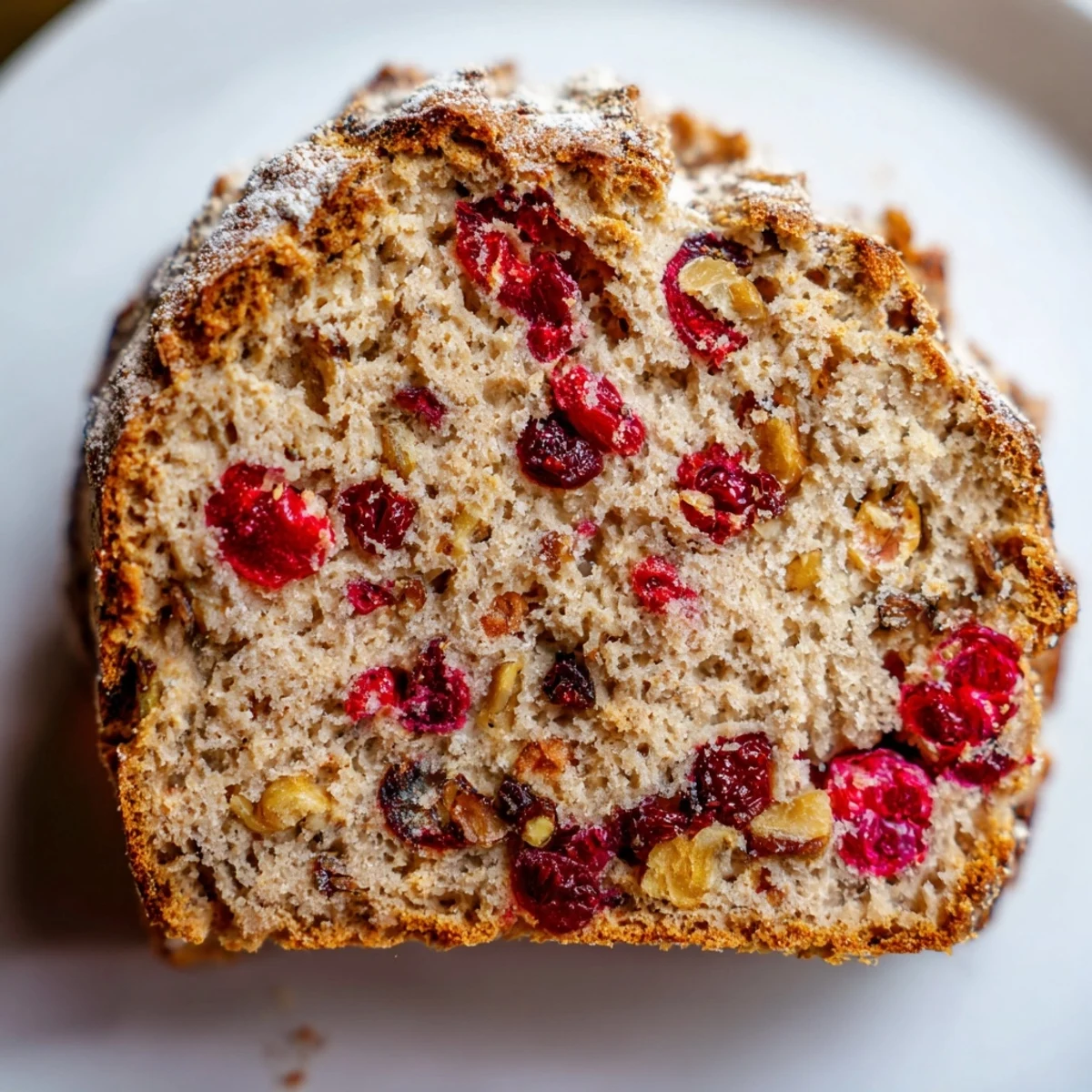
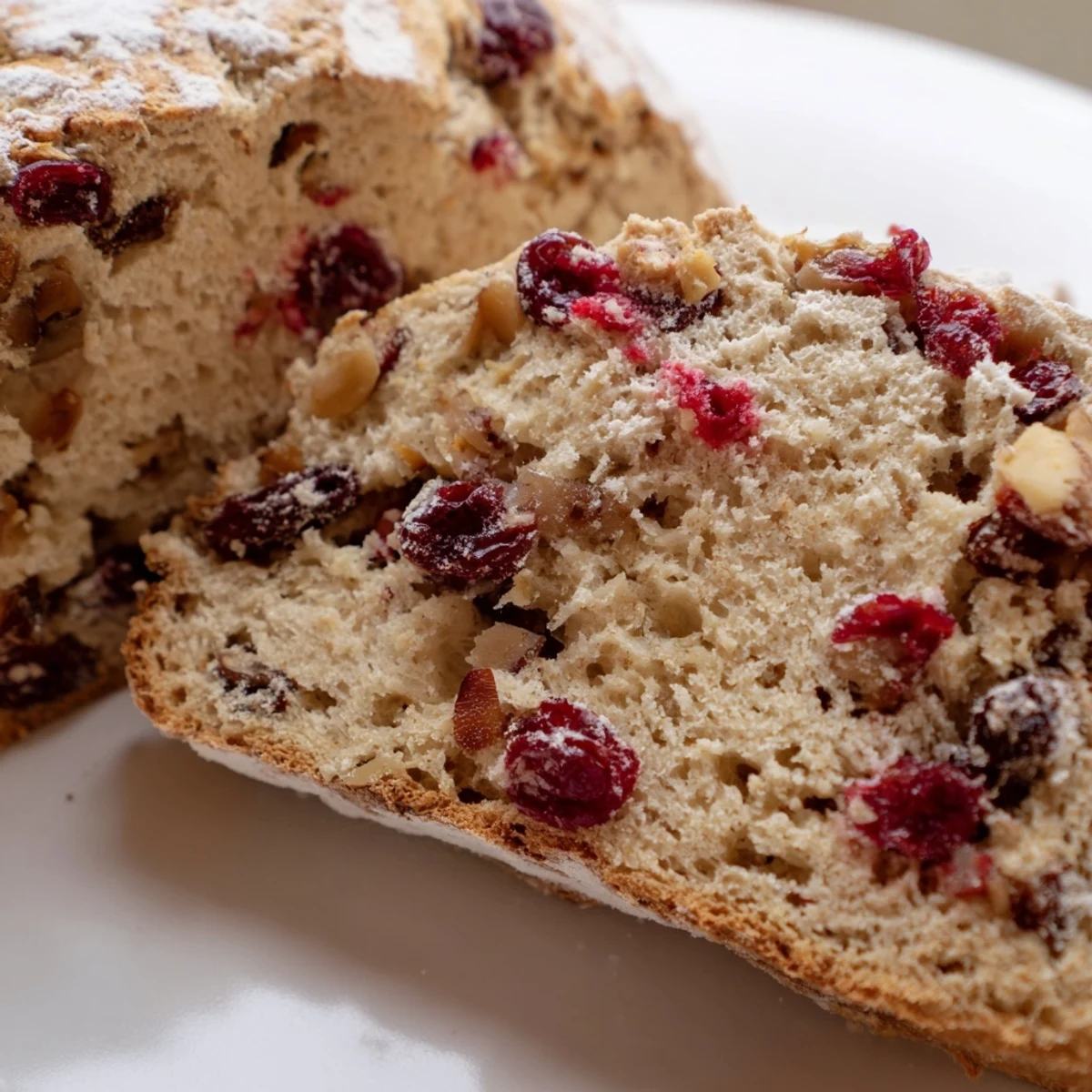
 This rustic Irish loaf balances the tartness of dried cranberries with the crunch of walnuts, offering a lightly sweetened bread best served warm. Combining all-purpose and whole wheat flours with baking soda and buttermilk creates a tender crumb with a golden crust. The dough requires gentle mixing to keep its texture light and the distinctive cross on top ensures even baking. Enjoy it fresh or toasted alongside soups and salads for a cozy meal.
I discovered soda bread quite by accident one rainy afternoon when a friend dropped off a loaf from an Irish bakery, still warm enough to steam. The dense crumb and tart-sweet cranberries were nothing like the fluffy breads I'd grown up with, but something about its honesty—no yeast, no fuss—made me want to recreate it immediately. That first batch came out heavy and sad, but by the third attempt, when I finally stopped overworking the dough and trusted the process, everything clicked. Now this bread is my go-to when I want something that tastes both humble and special.
I'll never forget making this for a potluck dinner where I arrived empty-handed and panicked. I mixed this dough in someone's kitchen while their kids watched, and by the time it came out golden from their oven, people were already asking for the recipe. It became the one thing everyone remembered from that night, which taught me that a homemade loaf communicates care in a way store-bought never does.
Ingredients
- All-purpose flour (3 cups) and whole wheat flour (1/2 cup): Together they create a tender crumb with subtle nuttiness; the combination prevents the bread from becoming dense like pure white flour would.
- Granulated sugar (1/4 cup): Just enough to balance the tartness of the cranberries without making the bread noticeably sweet.
- Baking soda (1 1/2 teaspoons) and fine sea salt (1 teaspoon): Baking soda reacts with the acidic buttermilk to leaven the bread, while salt deepens all the flavors.
- Dried cranberries (3/4 cup) and chopped walnuts (3/4 cup): Toast the walnuts lightly before adding if you want their flavor to really sing, though raw works fine too.
- Buttermilk (1 3/4 cups), melted butter (2 tablespoons), and egg (1 large): The buttermilk is essential—its acidity is what activates the baking soda and creates that tender crumb.
Instructions
- Preheat and prep:
- Set your oven to 400°F and line a baking sheet with parchment paper. This is the moment to make sure everything is ready because once you mix the dough, you'll want to bake it soon.
- Mix the dry ingredients:
- In a large bowl, whisk together both flours, sugar, baking soda, and salt until well combined and there are no lumps hiding in the corners. This whisking is important because it distributes the leavening evenly.
- Add the cranberries and walnuts:
- Stir them in gently, making sure they're coated with flour so they won't sink to the bottom. A light coating of flour helps them stay suspended as the bread bakes.
- Combine the wet ingredients:
- In a separate bowl, whisk together the buttermilk, melted butter, and egg until the egg is fully incorporated. Set aside.
- Bring it together:
- Pour the wet mixture into the dry ingredients and mix gently with a wooden spoon or your hands until everything just comes together into a shaggy, slightly rough dough. This is where restraint matters—overmixing develops gluten and makes the bread tough.
- Shape the loaf:
- Turn the dough onto a lightly floured surface and gently shape it into a round about 7 inches across, being careful not to compress it too much. You'll feel the texture shift as you handle it, becoming slightly smoother but still rustic.
- Score the top:
- With a sharp knife, cut a deep X across the top, which helps heat penetrate evenly and gives the loaf room to rise in the oven. It also looks beautiful, almost ceremonial.
- Final brush:
- Brush the top lightly with extra buttermilk, which will give it a gorgeous golden crust. Don't soak it—just a thin, even coat.
- Bake:
- Bake for 35 to 40 minutes until the bread is a deep golden brown and a skewer inserted into the center comes out clean. The aroma at 30 minutes will test your patience, but resist the urge to open the oven door.
- Cool and slice:
- Transfer to a wire rack and let it rest at least 30 minutes before slicing, which sounds long but is absolutely worth it. The bread continues to set as it cools, and warm bread falls apart no matter how thick you slice it.
 Save to Pinterest
 There's a moment when you pull this bread from the oven and the whole kitchen fills with that warm, toasty, slightly sweet aroma that somehow makes everything feel okay. The first time I shared this with someone who grew up on Irish soda bread, they closed their eyes after the first bite, and I knew I'd nailed something real.
Why This Bread Works
Soda bread is built on elegance through simplicity—no wild fermentation, no elaborate lamination, just a handful of pantry staples that transform into something greater than the sum of their parts. The chemistry is straightforward but precise: acidic buttermilk meets alkaline baking soda, and the reaction creates a tender crumb without any yeast needed. This is comfort food that doesn't apologize for being rustic, and that's exactly why it endures.
Making It Your Own
Once you understand how this bread works, you'll find yourself naturally riffing on it. The cranberries and walnuts are perfect together, but pecans bring a richer depth, hazelnuts add a subtle earthiness, and even dried apricots with almonds make a stunning variation. I've added orange zest on mornings when I wanted brightness, and once, on a whim, I mixed in a small handful of dark chocolate chips along with the dried fruit, which sounds strange until you taste it warm with butter.
Beyond the First Slice
Day-old soda bread transforms beautifully when toasted, becoming crispy on the outside while the interior softens and the flavors deepen slightly. It's wonderful with butter and jam, alongside soup, or even crumbled into a salad for unexpected texture. The bread keeps well wrapped at room temperature for a day or two, and slices frozen beautifully if you want to toast them later.
- For a slightly sweeter loaf, add one teaspoon of grated orange zest to the dry ingredients, which brightens everything without overwhelming the subtle tartness.
- If your walnuts are old or you want their flavor more pronounced, toast them lightly in a dry skillet for 2–3 minutes before chopping and adding them to the dough.
- Never skip letting the bread cool completely before slicing, even though the temptation is real—the crumb sets as it cools and won't crumble under the knife.
 Save to Pinterest
 This bread never fails to remind me that the best meals often come from restraint rather than complexity. Bake it when you want to feel grounded, share it when you want to say something kind without words.
Recipe FAQs
- → What makes soda bread different from other breads?
-
Soda bread uses baking soda as a leavening agent instead of yeast, allowing for faster preparation and a tender, crumbly texture.
- → Can I substitute walnuts with other nuts?
-
Yes, pecans or hazelnuts are great alternatives that provide a similar crunch and rich flavor.
- → Why is buttermilk used in this bread?
-
Buttermilk reacts with baking soda to help the bread rise and adds a slight tanginess enhancing the overall flavor.
- → How do I know when the bread is fully baked?
-
The loaf should be golden brown and a skewer inserted into the center comes out clean, typically after 35–40 minutes.
- → What is the purpose of scoring the dough with an X?
-
Cutting an X on the top helps the bread expand evenly during baking and gives it a traditional rustic appearance.