
 Save to Pinterest
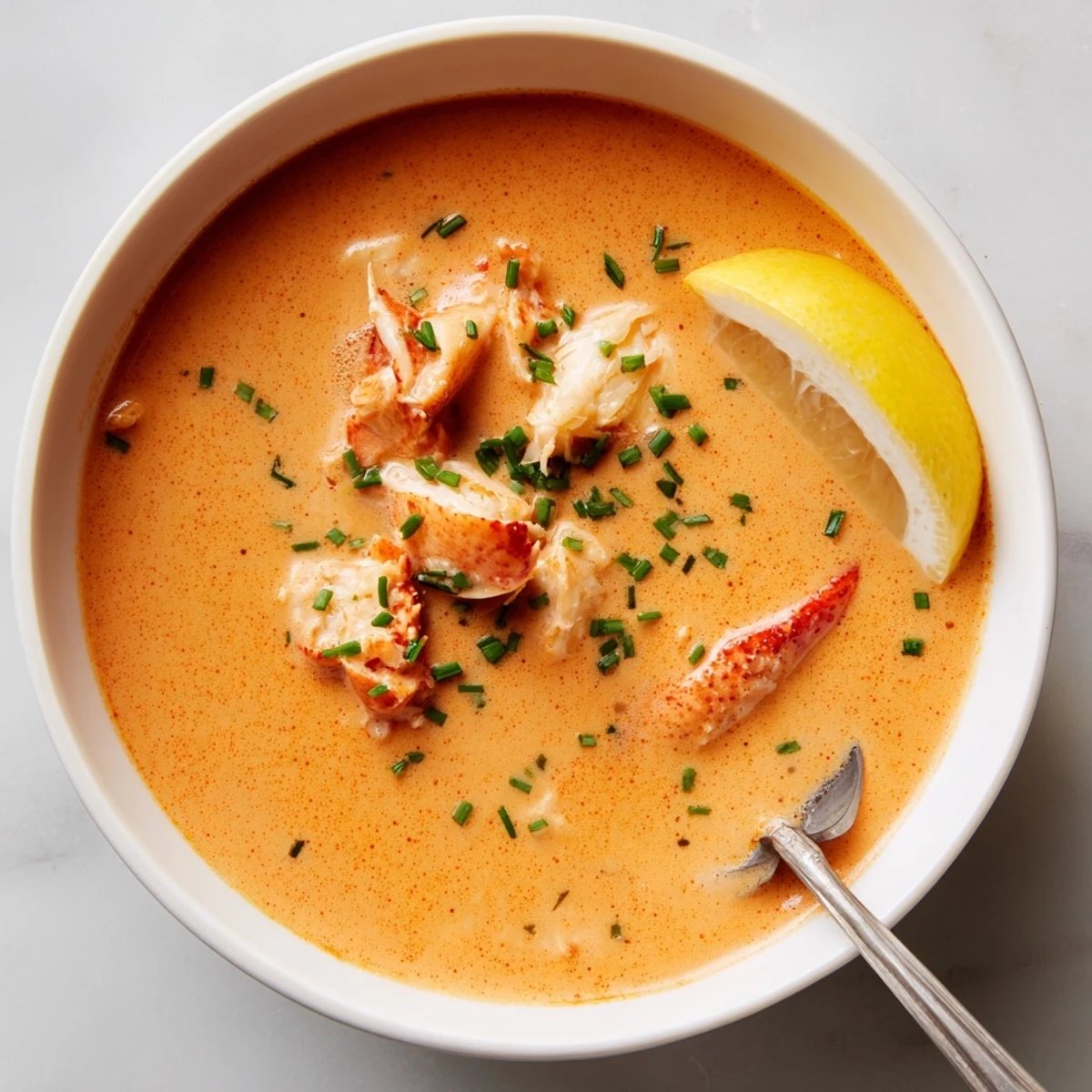
 This luxurious bisque features tender lobster meat blended into a velvety smooth base enriched with butter, aromatics, and a touch of cream. Lobster shells are simmered with white wine and spices to build deep, rich flavor without brandy, resulting in a refined seafood dish ideal for an elegant starter or main course. Garnished with fresh herbs and lemon wedges, it offers a sophisticated yet approachable culinary experience.
The first time I made lobster bisque, I was trying to impress someone who'd just returned from a trip to Provence, and honestly, I was terrified. I'd never worked with whole lobsters before—those claws seemed intimidating—but once the shells started releasing their deep, briny essence into the butter and aromatics, I understood why this soup has commanded respect in French kitchens for centuries. What surprised me most was how the sweetness of the caramelized vegetables and a whisper of tomato paste could transform into something so velvety and elegant, all without a splash of brandy to hide behind.
I made this for a dinner party on a cold November evening, and watching my guests pause mid-conversation after the first spoonful was one of those quiet kitchen victories I'll never forget. Someone asked if I'd gone to culinary school, and I just smiled—it was the shells doing the heavy lifting, really, releasing all their oceanic secrets into the pot while I simply paid attention.
Ingredients
- 2 whole lobsters (about 1.5 lbs each), cooked, meat removed and shells reserved: The shells are where the magic lives; they're packed with flavor that will slowly infuse every spoonful of bisque. Save them without hesitation.
- 2 tbsp unsalted butter: Use real butter here—it's the foundation that will gently coax out the sweetness from your vegetables and carry the lobster flavor forward.
- 1 medium yellow onion, finely chopped: A fine chop matters because it dissolves into the soup base, adding body and sweetness rather than texture.
- 1 celery stalk, chopped: This builds an aromatic backbone that keeps the soup from tasting one-dimensional or overly rich.
- 1 medium carrot, chopped: The natural sugars here are your secret weapon for depth—don't skip it or rush the sautéing.
- 2 cloves garlic, minced: Add this after the softer vegetables to prevent it from browning and turning bitter; you want just a whisper of its peppery warmth.
- 2 tbsp tomato paste: This adds umami and a subtle color without making the soup taste tomatoey; it works in concert with the shells, not against them.
- 1/2 cup dry white wine: Choose something you'd actually drink—the acidity brightens the bisque and adds a layer of sophistication.
- 4 cups seafood or fish stock: This is your liquid gold; use the best quality you can find because it directly flavors the finished soup.
- 1 cup heavy cream: This is added at the end to give the bisque its signature silky texture without curdling it.
- 1 bay leaf: Just one, tucked in gently to perfume the soup base during the long simmer.
- 1/4 tsp paprika: A small amount adds warmth and color; it's barely perceptible but absolutely necessary.
- 1/4 tsp cayenne pepper (optional, for heat): Only add this if you like a gentle prickle at the back of your throat; some prefer the soup purely sweet and savory.
- Salt and freshly ground black pepper, to taste: Taste constantly during the final minutes and adjust with intention—this soup needs proper seasoning to shine.
- 1 tbsp fresh chives or tarragon, finely chopped: Either herb brings a fresh counterpoint to the richness; add it at the very last moment so it stays bright and alive.
- Lemon wedges (optional): A squeeze of lemon before eating lifts the flavors in unexpected ways.
Instructions
- Prepare your lobster:
- If your lobsters aren't already cooked, steam them until the shells turn bright red, then let them cool enough to handle. Carefully remove the meat, chop it into bite-sized pieces, and refrigerate while you build the soup base. Those reserved shells are essential—they're going to do the heavy lifting.
- Begin with the aromatics:
- In a large pot over medium heat, melt the butter and listen for that gentle sizzle. Add your finely chopped onion, celery, and carrot, stirring occasionally until they soften and turn translucent, about 6 minutes. You're not looking for color here—just the gentle release of their natural sweetness.
- Build the flavor foundation:
- Add the minced garlic and tomato paste, stirring constantly for about 2 minutes until the kitchen fills with a warm, savory aroma. This is when you know you're on the right track.
- Toast the shells:
- Add your reserved lobster shells to the pot and stir frequently for 4 minutes, letting them release their essence into the hot butter and vegetables. You'll notice the shells start to give up their color and depth to the cooking medium.
- Deglaze with wine:
- Pour in the dry white wine and use a wooden spoon to scrape up any browned bits clinging to the bottom of the pot—this is concentrated flavor. Let it simmer for 2 minutes so the wine reduces slightly and mellows.
- Add stock and spices:
- Pour in the seafood stock, nestle in the bay leaf, then sprinkle in the paprika and cayenne if using. Bring everything to a boil, then reduce the heat and let it simmer uncovered for 30 minutes. This long, gentle cooking allows all the flavors to marry and deepen.
- Strain and purée:
- Remove the lobster shells and bay leaf, discarding them completely. Using an immersion blender (or carefully working in batches with a regular blender), purée the soup base until it's completely smooth and silky—no gritty bits should remain.
- Finish with cream:
- Return the bisque to low heat and slowly stir in the heavy cream, then simmer gently for 5 minutes. This finishing step is gentle because you never want the bisque to boil once the cream is in; boiling will make it separate and lose its velvety texture.
- Bring back the lobster:
- Add most of the reserved lobster meat to the pot, reserving a few beautiful pieces for garnish, and let it heat through for 2–3 minutes. Taste the bisque now and season generously with salt and freshly ground black pepper—this is your moment to make it exactly right.
- Serve with intention:
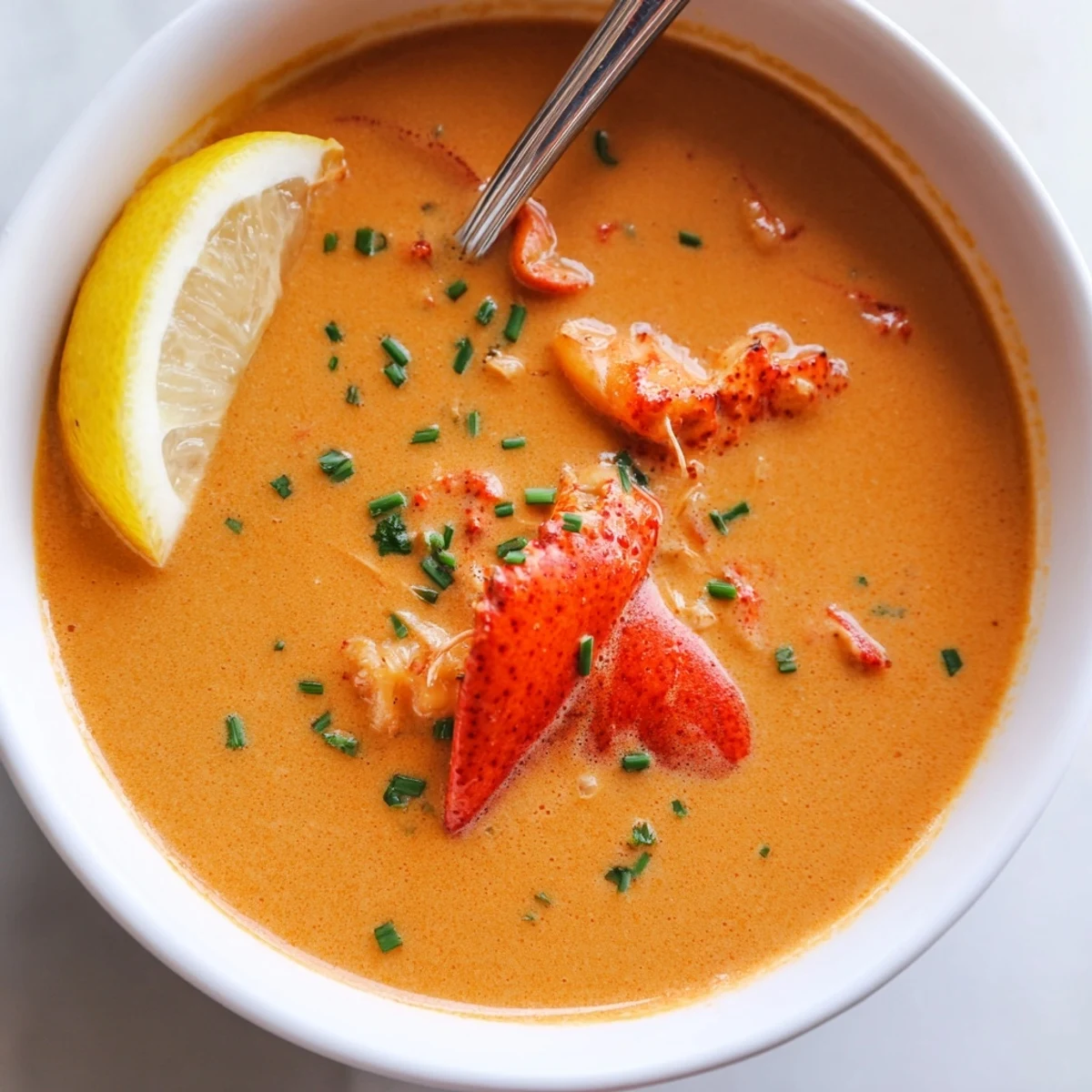
- Ladle the bisque into warm bowls, crown each with a piece of reserved lobster meat, and scatter the fresh herbs over top. Pass the lemon wedges at the table so each person can add their own brightness.
 Save to Pinterest
 There's a moment, right after you blend the soup and before the cream goes in, where you taste it and realize you've captured something precious—the entire essence of the ocean in a single spoonful. That's when I knew this dish had become more than just an impressive dinner party centerpiece; it was a small triumph of patience and attention.
The Secret of the Shells
Most people throw lobster shells away without thinking twice, but they're actually the most flavorful part of the entire crustacean. When you cook them slowly in butter and wine, they release their briny, sweet essence—the very thing that makes restaurant bisque taste so impossibly rich and deep. If you want to take this even further, try roasting the shells in a 400°F oven for 10 minutes before adding them to the pot; this darkens them slightly and adds an extra layer of caramelized depth.
When Lobster Isn't Possible
Life happens, and sometimes lobster is either impossible to find or stretches the budget too far. I've made this bisque with large shrimp shells and meat with beautiful results—the technique remains exactly the same, though the flavor will be slightly more delicate and briny rather than deeply sweet. Even frozen lobster shells work in a pinch; just thaw them first so they release their flavor more readily into the pot.
Serving Suggestions and Pairings
A bowl of bisque asks for something to accompany it with intention—crusty bread is the obvious choice, good for soaking up every last precious drop, but I've also served it with a crisp green salad on the side when I want something lighter. The soup pairs beautifully with a chilled Chardonnay or Sauvignon Blanc, where the wine's acidity mirrors the brightness of the lemon wedge and keeps the richness from overwhelming the palate.
- Toast thick slices of bread with a little garlic butter and offer them alongside for dipping.
- If you have any leftover bisque, it freezes beautifully for up to three months—just thaw gently and warm without boiling.
- Make it your own by adding a pinch of saffron or a whisper of fennel if you're feeling adventurous.
 Save to Pinterest
 This bisque is proof that the most elegant dishes often come from respecting simple ingredients and giving them time to shine. Make it once, and you'll understand why it's been a French kitchen staple for generations.
Recipe FAQs
- → How is the rich flavor developed without brandy?
-
Simmering lobster shells with white wine, vegetables, and spices extracts deep, complex flavors, creating a luxurious base without the need for brandy.
- → Can I substitute other seafood for lobster?
-
Shrimp shells and meat can be used as an alternative, providing a similar seafood essence with a slightly different nuance.
- → What is the best way to achieve a smooth texture?
-
Using an immersion or countertop blender to purée the bisque ensures a silky and velvety consistency after removing shells and solids.
- → How should I garnish the bisque for serving?
-
Garnish with reserved lobster meat pieces and fresh herbs like chives or tarragon, accompanied by lemon wedges for brightening the flavors.
- → What pairs well with this bisque?
-
A crisp Chardonnay or Sauvignon Blanc enhances the seafood notes, while crusty bread or a light green salad complements the richness.