
 Save to Pinterest
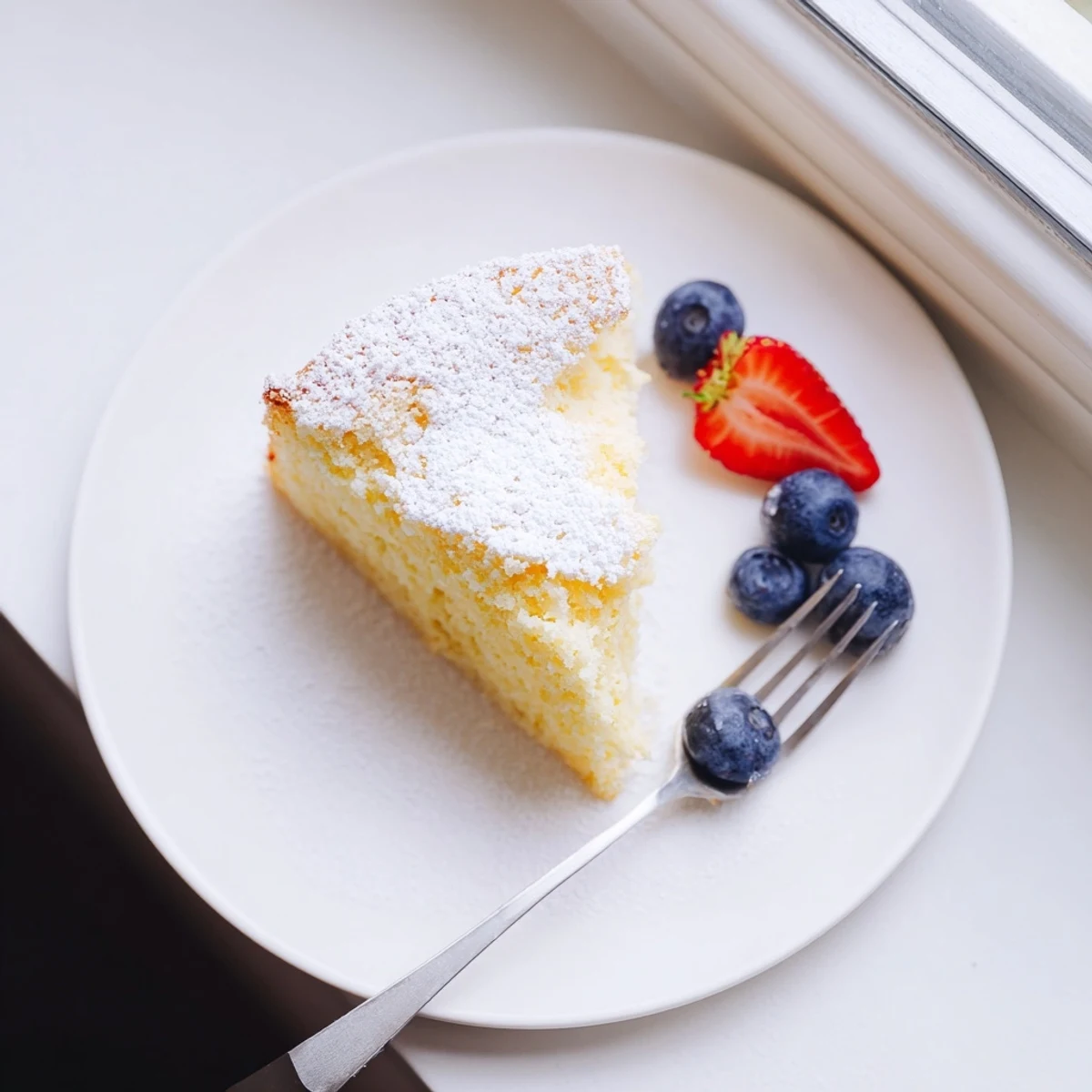
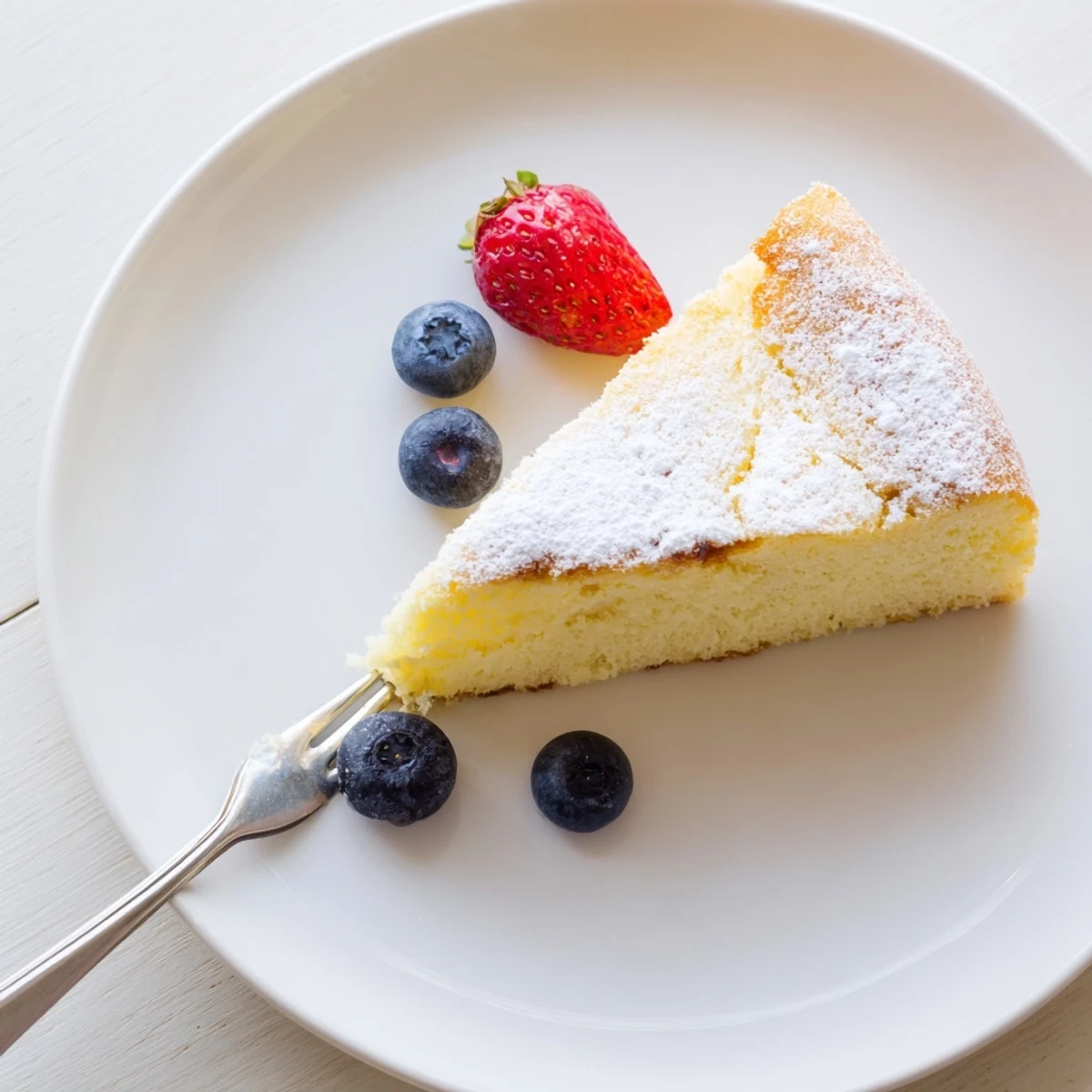
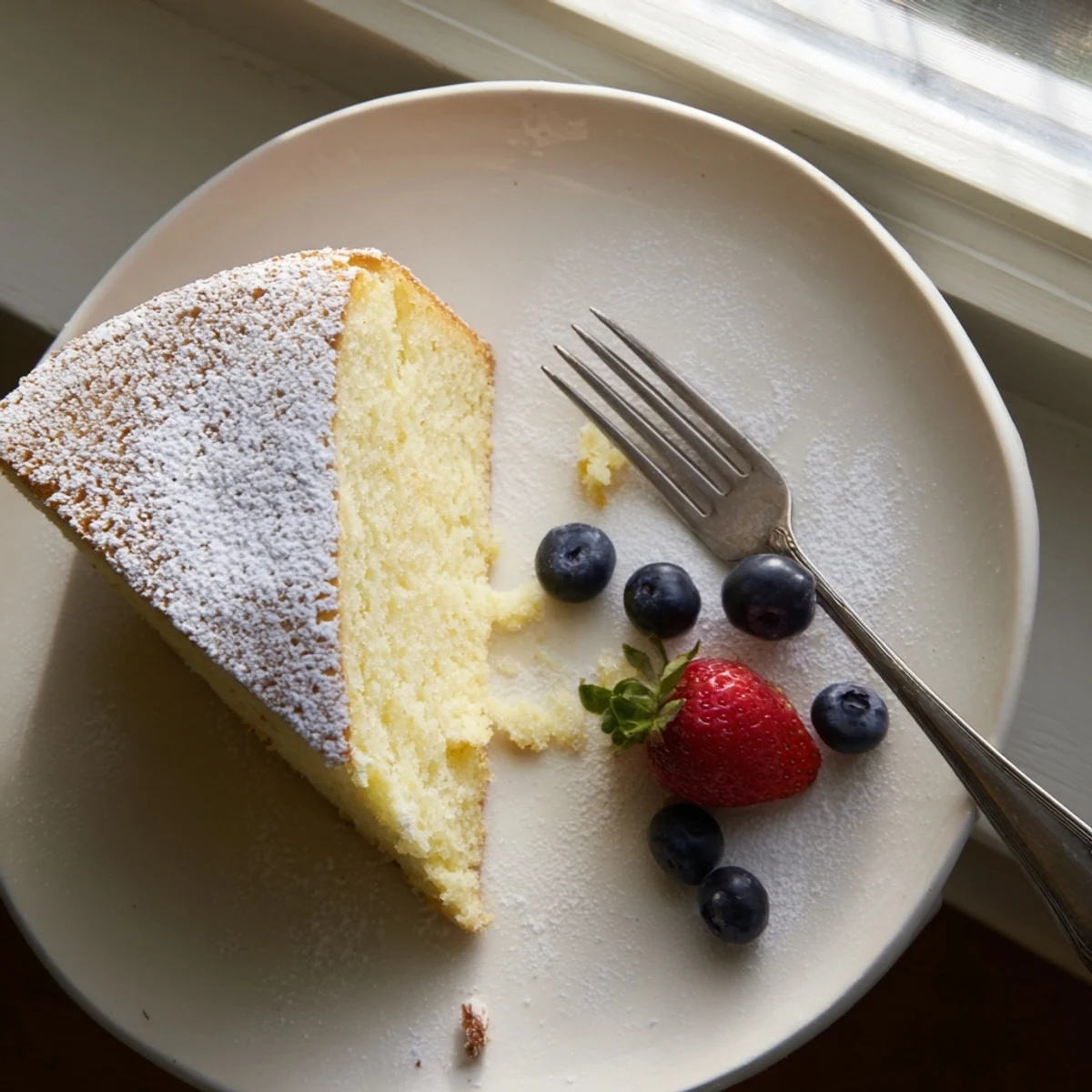
 This delicate European-style cake achieves its remarkable cloud-like texture through the classic technique of folding beaten egg whites into a rich yogurt-enriched batter. The result is an incredibly light yet satisfying dessert that balances the tangy creaminess of Greek yogurt with subtle vanilla and bright lemon zest notes. The cake emerges from the oven with a golden crust and tender interior that practically melts in your mouth, making it an ideal choice for warm weather gatherings or whenever you crave something sweet without feeling heavy.
Preparation involves separating eggs and whipping whites to stiff peaks—the secret behind that signature airy structure. The batter comes together quickly with pantry staples, requiring just 20 minutes of active time before an hour in the oven transforms it into something truly special. Serve simply dusted with powdered sugar, or elevate with fresh seasonal berries for a stunning presentation that tastes as beautiful as it looks.
The afternoon sun hit my kitchen window just right as I pulled this cake from the oven, its golden top trembling slightly like it was still waking up. I had been skeptical about using yogurt in a cake, but the way it rose made me believe in kitchen magic again. My youngest wandered in, drawn by the warm vanilla scent, and asked if clouds really could taste this good. We served it with berries that stained the plate like tiny watercolor paintings.
Last summer, my neighbor Sarah came over for coffee and practically inhaled an entire slice, declaring it the perfect not-too-sweet dessert she had been searching for. She called me two days later from the grocery store, asking which Greek yogurt I had used because hers had turned out dense. We laughed about how the full-fat version really does make all the difference, worth every single calorie.
Ingredients
- All-purpose flour: The foundation that gives just enough structure without weighing down the clouds
- Cornstarch: This secret ingredient makes the crumb impossibly tender and delicate
- Baking powder: Helps the cake rise beautifully and achieve that airy texture
- Salt: A pinch balances the sweetness and wakes up all the flavors
- Eggs, separated: The yolks add richness while whipped whites create the signature cloud-like fluffiness
- Granulated sugar: Split between yolks and whites, sweetening while supporting the structure
- Vegetable oil: Keeps the cake incredibly moist and tender for days
- Full-fat Greek yogurt: The star ingredient that adds tang, moisture, and that dreamy texture
- Vanilla extract: Warm, comforting notes that make everything taste homemade
- Lemon zest: Bright little sparks of flavor that cut through the richness
- Powdered sugar: For that snowy, elegant finish that makes it look special
- Fresh berries: The perfect tart and juicy contrast to the sweet, airy cake
Instructions
- Prepare your oven and pan:
- Preheat to 325°F and line just the bottom of your pan with parchment, leaving the sides bare so the cake can climb and grip as it rises
- Whisk the dry ingredients:
- Combine flour, cornstarch, baking powder, and salt in a bowl, whisking until perfectly blended
- Make the rich yolk base:
- Beat yolks with half the sugar until pale, then stir in oil, yogurt, vanilla, and zest until silky smooth
- Fold in the dry mixture:
- Gently incorporate the flour mixture just until no streaks remain, being careful not to overwork the batter
- Whip the egg whites:
- Beat whites to soft peaks, then gradually add remaining sugar and continue until stiff, glossy peaks form
- Lighten the batter:
- Fold in one third of the whites first to loosen the mixture, then gently incorporate the rest in two additions
- Bake to perfection:
- Pour into your prepared pan, smooth the top, and bake for 40 to 45 minutes until set and golden
- Cool with patience:
- Let it rest in the pan for 10 minutes before running a knife around the edge and inverting onto a rack
 Save to Pinterest
 This cake became my go-to for unexpected guests because it feels elegant yet comes together so quickly. My mother-in-law asked for the recipe after taking one bite, claiming it reminded her of sponge cakes her grandmother used to make in the old country. There is something timeless about it.
Making It Ahead
The cake actually develops more flavor if made a day ahead, wrapped tightly once completely cooled. The texture remains surprisingly light, making it perfect for dinner parties when you want to do most of the work in advance.
Serving Suggestions
Beyond the classic powdered sugar dusting, a drizzle of honey or a dollop of whipped cream elevates this to something truly special. I once served it with a side of warm lemon curd and my husband said it was the best dessert he had ever tasted.
Flavor Variations
The beauty of this cake is how well it takes on different personalities while keeping its signature texture. Swap the lemon zest for orange, add a teaspoon of almond extract, or fold in fresh berries before baking for a colorful twist.
- Try folding in a handful of fresh blueberries or raspberries for bursts of fruit
- Almond extract instead of vanilla gives it a marzipan-like quality
- A tablespoon of poppy seeds adds wonderful texture and visual interest
 Save to Pinterest
 Every time I make this cake, I am reminded that the simplest recipes often bring the most joy. There is nothing quite like watching someone take that first bite and close their eyes in pure happiness.
Recipe FAQs
- → What makes this cake so light and fluffy?
-
The secret lies in the technique of beating egg whites to stiff peaks and gently folding them into the batter. This incorporates air throughout the mixture, creating that signature cloud-like texture. The combination of Greek yogurt and separated eggs yields a remarkably airy crumb while maintaining moisture and structure.
- → Can I use regular yogurt instead of Greek yogurt?
-
Greek yogurt is preferred because its thicker consistency provides better structure and richness. However, you can substitute regular plain yogurt—strain it through cheesecloth for a few hours to remove excess whey, which helps achieve the desired texture and prevents the batter from becoming too thin.
- → Why shouldn't I grease the sides of the pan?
-
Leaving the sides ungreased allows the batter to climb up the pan as it bakes, helping the cake rise properly. If the sides are greased, the batter may slide down instead of gripping the pan edges, resulting in a denser final product. Only the bottom needs parchment paper for easy removal.
- → How do I know when the cake is done baking?
-
The cake is ready when it's set and a toothpick inserted into the center comes out clean or with just a few moist crumbs. The top should be lightly golden, and the cake will have pulled away slightly from the pan edges. Avoid opening the oven door too frequently, as the temperature fluctuation can cause the cake to collapse.
- → Can I add other flavors to this cake?
-
Absolutely! While lemon and vanilla create a classic combination, you can easily customize with orange zest, almond extract, or a tablespoon of citrus juice. For chocolate lovers, fold in cocoa powder or melted chocolate—though this will slightly alter the light texture. Fresh berries can also be gently folded into the batter before baking.
- → How should I store leftovers?
-
This cake is best enjoyed the same day it's made when the texture is at its peak. If you have leftovers, store in an airtight container at room temperature for up to two days. For longer storage, refrigerate for up to five days, though the texture may become slightly denser. Bring to room temperature before serving for the best experience.