
 Save to Pinterest
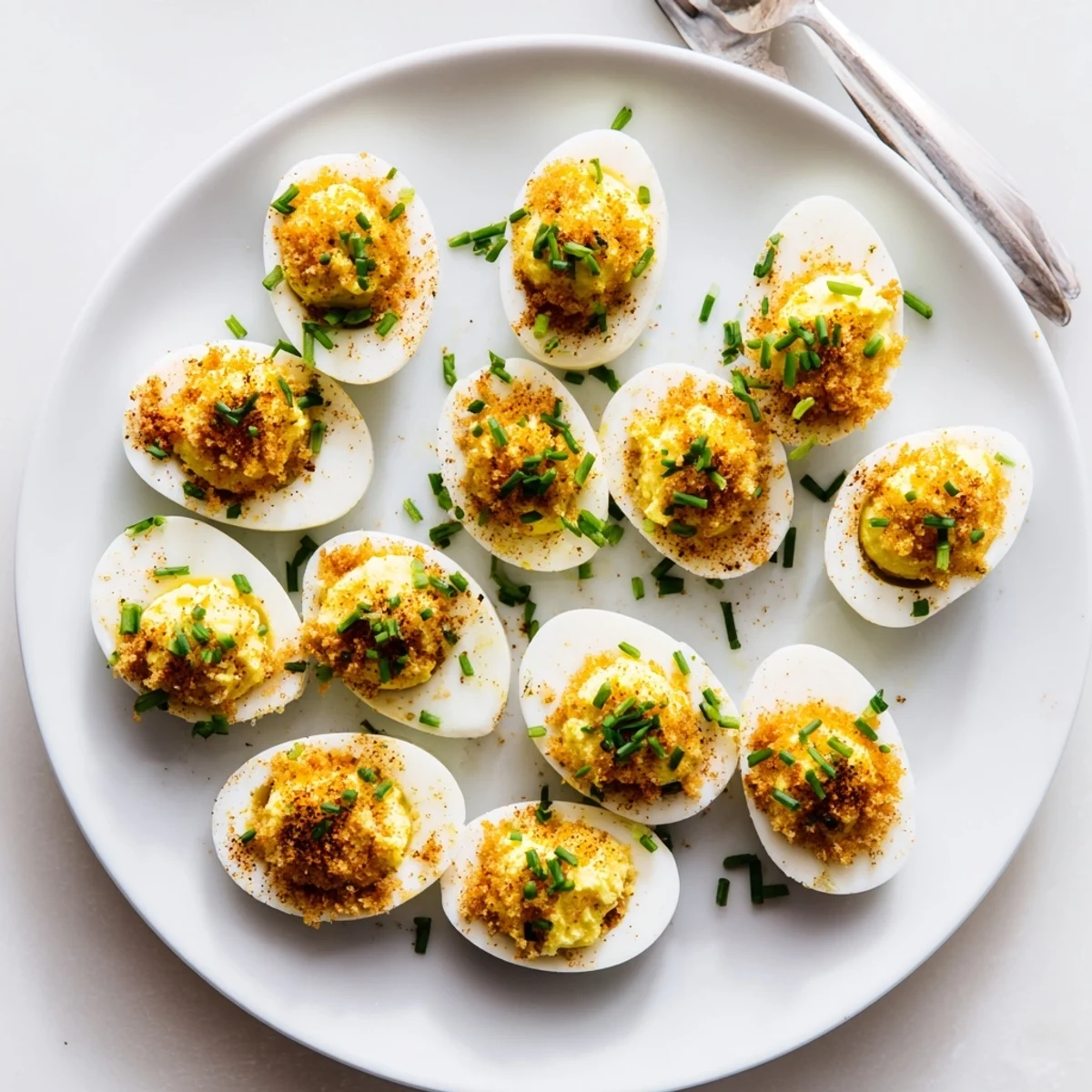
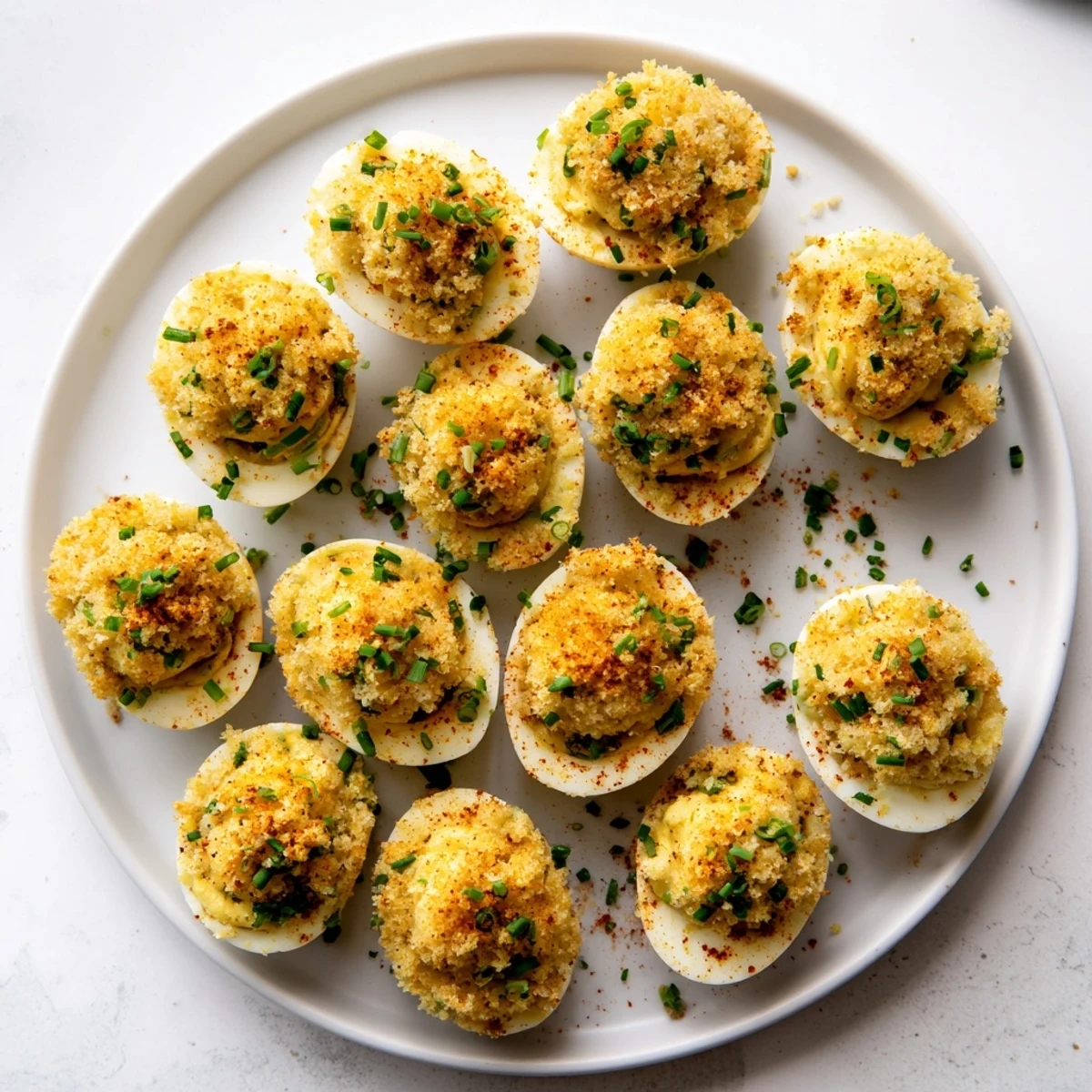
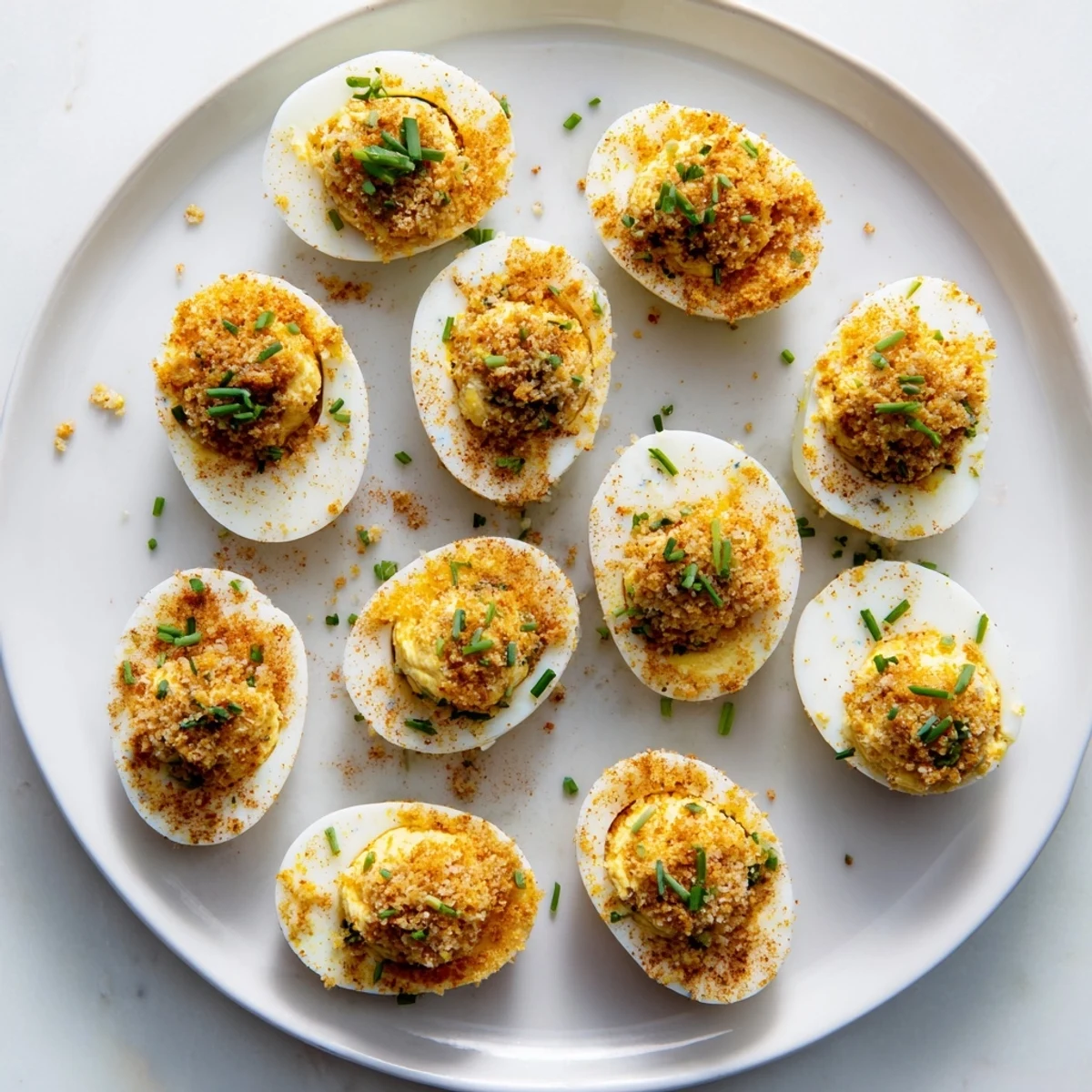
 These fried deviled eggs start with perfectly hard-boiled eggs, halved and filled with a classic creamy mixture of mayonnaise, Dijon mustard, white wine vinegar, and chives. Each filled half gets coated in a three-step breading process: flour, egg wash, then seasoned panko mixed with paprika. After a brief chill to set the coating, they're fried until golden and crispy. The result is a delightful contrast between the crunchy exterior and the velvety, tangy filling within. They're best served immediately while still warm and crispy, garnished with fresh chives.
The first time I brought these to a potluck, my friend Sarah actually asked if I'd cater her wedding. That's how strangely addictive crispy deviled eggs become. People expect the usual cold party platter, then they bite into something warm and crunchy with that familiar creamy center, and suddenly you're the genius who reinvented the wheel.
I stumbled onto this concept after making too many deviled eggs for a Super Bowl party and somehow ending up with leftover panko from onion rings. The kitchen was already chaos, so I figured why not make it worse? First batch was messy, second batch was better, by the third I realized I'd accidentally created something that might be dangerous to serve at parties because nobody eats anything else.
Ingredients
- 6 large eggs: Fresh eggs are actually harder to peel, so buy your eggs about a week ahead of time if possible
- 1 cup all-purpose flour: Creates the essential first layer that helps the egg wash and panko actually stick to the filling
- 2 large eggs for dredging: Beat these thoroughly until no visible whites remain for the smoothest coating
- 1 cup panko bread crumbs: These Japanese breadcrumbs create such a superior crunch compared to regular crumbs
- 1/2 teaspoon paprika: Smoked paprika here adds a subtle depth that complements the frying beautifully
- 1/2 teaspoon salt and 1/4 teaspoon black pepper: Season your breading generously since the eggs need that extra flavor boost
- 3 tablespoons mayonnaise: Real mayo makes a difference here, but use whatever brand you actually keep in your fridge
- 1 teaspoon Dijon mustard: Adds that necessary sharpness that cuts through all the richness
- 1 teaspoon white wine vinegar: The secret ingredient that makes everyone ask what exactly is in this filling
- 1/4 teaspoon cayenne pepper: Optional, but honestly the slight heat balances the fried coating perfectly
- 1 tablespoon finely chopped chives: Fresh chives add that pop of color and mild onion flavor throughout
- Vegetable oil for frying: Canola or vegetable oil both work, just avoid olive oil for high-heat frying
Instructions
- Boil and peel your eggs:
- Place the 6 eggs in a saucepan and cover them with water by about an inch. Bring to a rolling boil, then immediately reduce heat and simmer for exactly 10 minutes. Transfer to an ice bath and let them cool completely before attempting to peel.
- Prep the eggs for stuffing:
- Slice each egg in half lengthwise and gently scoop out the yolks into a mixing bowl. Arrange the empty white halves on a plate or cutting board, being careful not to tear the edges since they need to hold everything together later.
- Make your filling:
- Mash the yolks thoroughly with a fork until no large lumps remain. Stir in the mayonnaise, Dijon mustard, white wine vinegar, cayenne pepper if using, chopped chives, and salt and pepper to taste. Mix until completely smooth and taste the filling to adjust seasoning.
- Fill the egg whites:
- Spoon or pipe the yolk mixture back into the waiting egg white halves. Fill them slightly higher than the original level since the breading adds bulk, but keep the filling contained without overflowing the edges.
- Set up your breading station:
- Get three shallow dishes ready. Put flour in the first one, beat the 2 dredging eggs in the second dish until smooth, and mix the panko with paprika, salt, and black pepper in the third dish. Having everything organized before you start coating makes the process so much less messy.
- Coat the eggs:
- Gently dredge each stuffed egg half in the flour, shaking off excess. Dip it in the beaten egg wash, letting any extra drip off, then press it firmly into the panko mixture to coat completely. Place each breaded egg on a plate and refrigerate for 10 to 15 minutes to help the coating set.
- Heat the oil:
- Pour about 1 inch of vegetable oil into a large skillet and heat it to 350°F. If you do not have a thermometer, test the oil by dropping in a pinch of panko, it should sizzle immediately and turn golden within seconds.
- Fry until golden:
- Carefully place the breaded eggs in the hot oil, filling side up, working in batches so you do not crowd the pan. Fry for 2 to 3 minutes, gently turning once, until they are a deep golden brown all over. Transfer to paper towels to drain briefly before serving.
 Save to Pinterest
 My brother-in-law stood over the platter at Thanksgiving last year and ate four before anyone else even got through the buffet line. He kept saying he would stop after one more, then he would just casually reach for another while making conversation. Now he requests them for every family gathering, and I have to admit I look forward to that moment when everyone tries them for the first time.
What To Serve With Fried Deviled Eggs
I love setting these out with some simple pickled vegetables and maybe a crisp green salad to balance the richness. A tangy remoulade or spicy aioli on the side takes them over the top, though they honestly do not need anything else. They work perfectly as cocktail party food or even as a surprisingly elevated appetizer for a dinner party.
Make-Ahead Strategy
You can boil, peel, stuff, and bread the eggs up to 24 hours in advance if you store them carefully. Place the breaded eggs on a parchment-lined baking sheet, cover loosely with plastic wrap, and refrigerate until you are ready to fry. This makes party day so much less stressful since you can do all the messy prep work the night before.
Common Frying Mistakes To Avoid
The biggest issue I see people have is overcrowding the pan, which drops the oil temperature dramatically and leads to soggy, greasy coating. Also resist the urge to flip the eggs too frequently, let them develop a golden crust on one side before gently turning them.
- Use a slotted spoon to transfer eggs to the oil to minimize coating damage
- Let the oil return to temperature between batches for consistent results
- Serve these within 15 minutes of frying for that perfect crispy texture
 Save to Pinterest
 These fried deviled eggs started as a kitchen experiment and somehow became the one thing people actually remember about my parties. Sometimes the best recipes come from moments of chaos and curiosity.
Recipe FAQs
- → How do I prevent the filling from coming out during frying?
-
Chill the filled and breaded eggs for 10–15 minutes before frying. This helps set the coating and keeps the filling secure. Avoid overcrowding the pan, and handle them gently when turning.
- → Can I make these ahead of time?
-
You can boil the eggs, prepare the filling, and bread them up to a day ahead. Store the breaded halves in the refrigerator and fry just before serving for the crispiest results.
- → What oil temperature is best for frying?
-
Maintain the oil at 350°F (175°C). If the oil is too hot, the coating will burn before the inside heats through. Too cool, and they'll absorb excess oil and become greasy.
- → Can I bake these instead of frying?
-
Yes, though the texture won't be quite as crispy. Bake at 400°F on a greased baking sheet for 15–20 minutes, flipping halfway through, until golden and heated through.
- → How do I get perfectly hard-boiled eggs?
-
Start eggs in cold water, bring to a boil, then reduce heat and simmer for exactly 10 minutes. Immediately transfer to an ice bath to stop cooking and make peeling easier.
- → What dipping sauces work well?
-
Try spicy mayo, garlic aioli, remoulade, or a tangy honey mustard sauce. The creamy exterior pairs beautifully with both cool and zesty dips.