
 Save to Pinterest
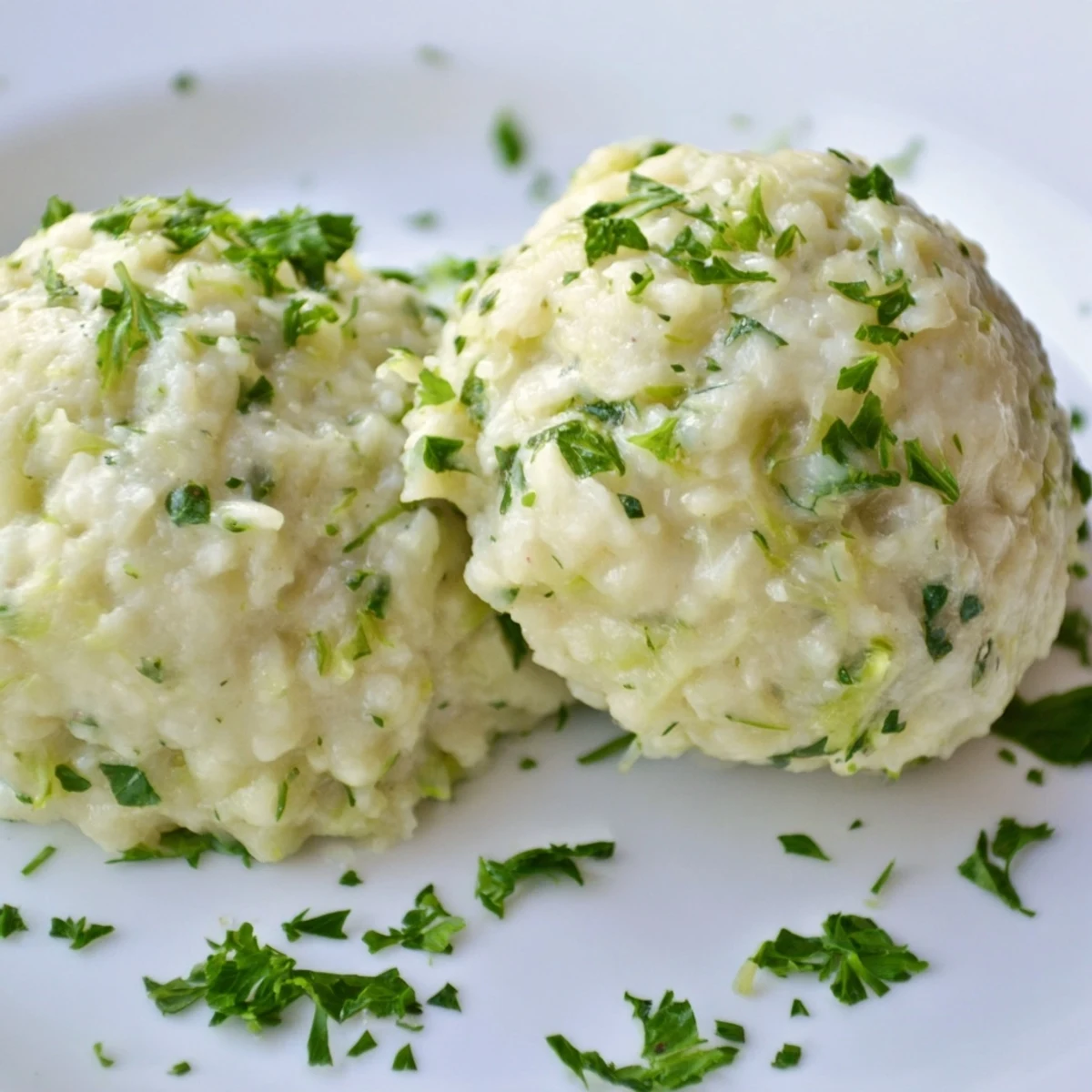
 These traditional German dumplings feature tender shredded cabbage sautéed with onions, combined with soaked bread, eggs, and warm nutmeg. Shaped into rounds and gently simmered in vegetable broth, they emerge light, fluffy, and incredibly comforting. The dumplings absorb subtle flavors from the cooking liquid while maintaining a satisfying texture that pairs beautifully with mushroom sauce or melted butter.
The first time I made German cabbage dumplings, my tiny apartment filled with the most comforting smell imaginable—buttery onions and cabbage cooking slowly while winter pressed against the windows. My grandmother had mentioned these dumplings in passing years ago, describing how her own mother would make them during lean times when a little cabbage and stale bread could feed the whole family. I'd been skeptical about how good bread and cabbage could actually taste together, but one bite completely changed my mind about humble ingredients.
I made these for a dinner party last fall when my friend Sarah was going through a rough breakup. She took one bite and actually teared up, not from sadness but because the taste reminded her of visiting her grandparents' farm in Bavaria as a child. We spent the whole evening talking about how food has this mysterious ability to unlock memories we didn't know we were holding onto.
Ingredients
- 1 small head green cabbage: The foundation of these dumplings—shred it finely so it cooks down evenly and distributes throughout every bite
- 1 medium onion: Finely diced onion provides a subtle sweetness that balances the earthy cabbage perfectly
- 2 tbsp unsalted butter: Butter adds richness and helps the vegetables caramelize slightly as they cook
- 2 large eggs: Eggs bind everything together while keeping the dumplings light and tender
- 120 ml whole milk: The milk softens the bread cubes, creating that characteristic fluffy texture inside
- 200 g day-old white bread: Slightly stale bread works best here—it absorbs liquid without turning mushy or falling apart
- 60 g all-purpose flour: Just enough flour to give the dumplings structure without making them dense or heavy
- 1/2 tsp ground nutmeg: Nutmeg is the secret ingredient that makes these taste traditionally German and deeply aromatic
- 1/2 tsp ground black pepper: Freshly ground pepper adds warmth and cuts through the richness
- 1 tsp salt: Essential for bringing out all the flavors in the cabbage and seasoning the dumplings throughout
- 2 tbsp fresh parsley: Fresh parsley adds little pops of color and a bright, fresh finish to each bite
- 1.5 liters vegetable broth: A gentle simmering broth cooks the dumplings evenly while infusing them with subtle flavor
Instructions
- Prepare the cabbage filling:
- Melt the butter in your largest skillet over medium heat and add the diced onion, cooking for 2–3 minutes until it turns translucent and fragrant. Add the shredded cabbage with a generous pinch of salt and cook for 10–12 minutes, stirring occasionally, until the cabbage is softened and sweet. Let it cool slightly while you prepare the bread mixture.
- Soften the bread:
- Place the bread cubes in a large bowl and pour the milk over them, letting everything sit for 5–10 minutes until the bread has softened completely. Use a fork to gently mash the bread into the milk until you have a uniform, porridge-like consistency.
- Combine everything:
- Add the eggs, flour, nutmeg, pepper, salt, parsley, and cooled cabbage mixture to the soaked bread. Mix everything thoroughly with your hands or a sturdy spoon until the ingredients are evenly distributed and the dough holds together when pressed.
- Shape the dumplings:
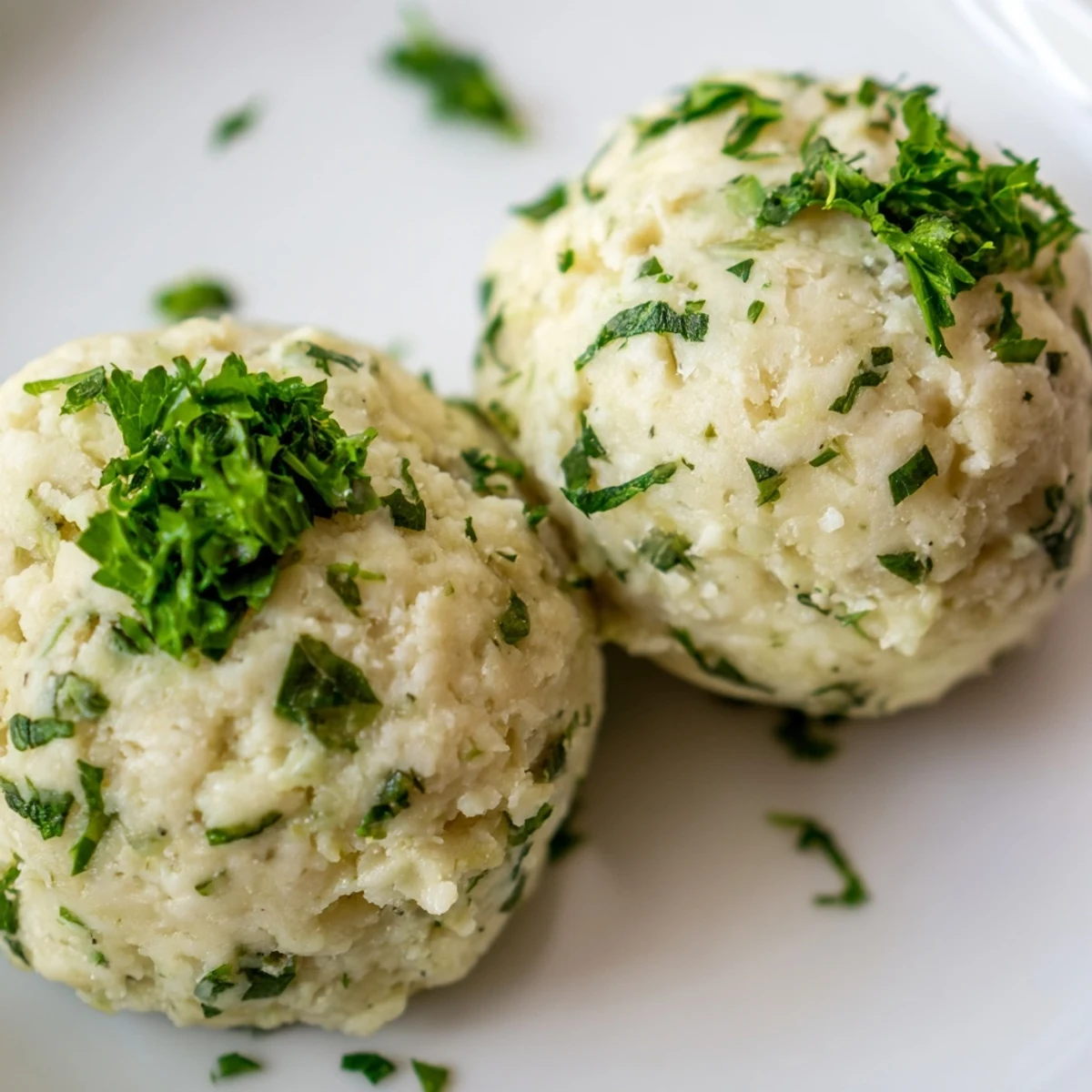
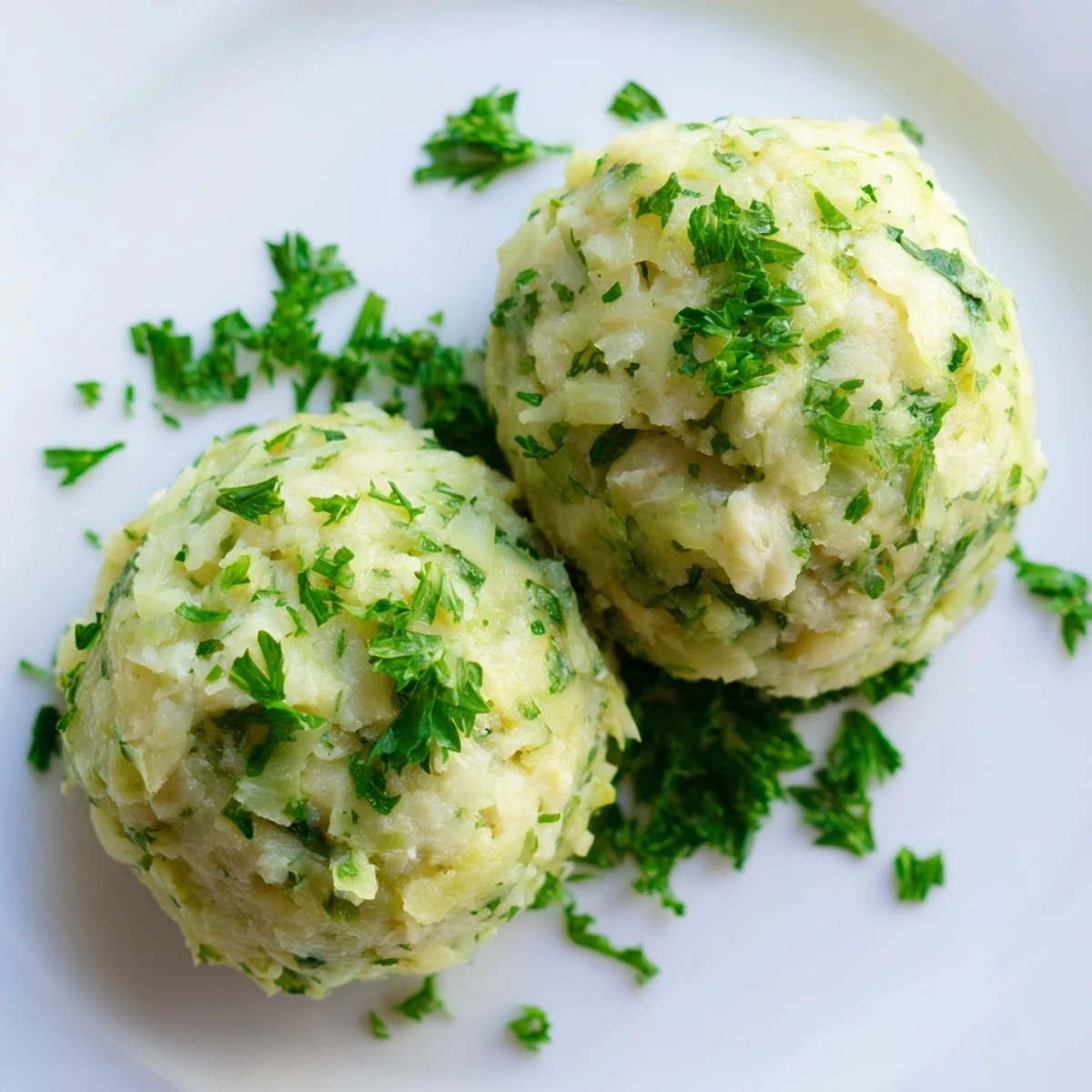
- Wet your hands with cold water to prevent sticking, then shape the mixture into 8 equal rounds. Gently roll each one between your palms to smooth the surface, being careful not to pack them too tightly.
- Simmer to perfection:
- Bring the vegetable broth to a gentle simmer in your largest pot—bubbles should just barely break the surface. Carefully lower each dumpling into the broth and let them cook quietly for 18–20 minutes until they feel firm and spring back when touched.
- Serve and enjoy:
- Lift the dumplings from the broth with a slotted spoon, letting any excess liquid drain away briefly. Serve them hot in shallow bowls with a ladle of the cooking broth and a sprinkling of fresh parsley if you like.
 Save to Pinterest
 These dumplings have become my go-to comfort food on rainy Sundays when time seems to slow down and the kitchen feels like the warmest place in the world. Something about the process of making them—the patience required, the simple ingredients, the way they float peacefully in the broth—reminds me that good things dont need to be complicated.
Making Them Your Own
While the traditional version is absolutely perfect on its own, I've learned that small variations can make these dumplings feel like yours alone. Sometimes I add grated apple to the cabbage mixture for extra sweetness, especially in fall when apples are at their peak. A handful of grated cheese mixed into the dough creates a completely different but equally delicious experience.
Choosing The Right Bread
The bread you use matters more than you might expect—dense, crusty artisan bread will make heavy dumplings, while fluffy sandwich bread can turn them too soft and mushy. A standard white bread that's been left out overnight is ideal because it has enough structure to hold its shape but still absorbs liquid beautifully. If you only have fresh bread, toast it lightly in the oven for 10 minutes to dry it out before using.
What To Serve With Them
These dumplings are wonderfully versatile and can anchor a meal in different ways depending on what you're craving. They're substantial enough to be the main event with just a simple green salad dressed with vinaigrette. If you want something more hearty, serve them alongside roasted sausages or a piece of pork with crusty bread for soaking up the broth.
- A simple cucumber salad with dill provides a refreshing contrast to the rich dumplings
- Mushroom sauce poured over the top turns this into an incredibly satisfying vegetarian main course
- Caramelized onions make an excellent garnish if you want to amplify the savory elements
 Save to Pinterest
 There's something deeply satisfying about turning humble ingredients into something so nourishing and complete. I hope these dumplings bring as much comfort to your table as they've brought to mine.
Recipe FAQs
- → What makes these dumplings German?
-
The combination of soaked bread, cabbage, warm nutmeg, and gentle simmering in broth reflects traditional German cooking methods, particularly from regions like Bavaria where dumplings are staple comfort food.
- → Can I make the dough ahead of time?
-
Yes, prepare the cabbage mixture and bread mixture separately up to a day in advance. Combine and shape just before cooking for the freshest texture.
- → Why use day-old bread?
-
Day-old bread absorbs milk better without becoming mushy, creating the perfect tender yet structured consistency that holds together during simmering.
- → What's the best way to serve these?
-
These dumplings shine when served with creamy mushroom sauce, melted butter, or alongside roasted meats and gravies. They also work wonderfully in soups.
- → How do I know when they're done?
-
The dumplings are cooked through when they float to the surface and feel firm when gently pressed—typically 18-20 minutes of gentle simmering.