
 Save to Pinterest
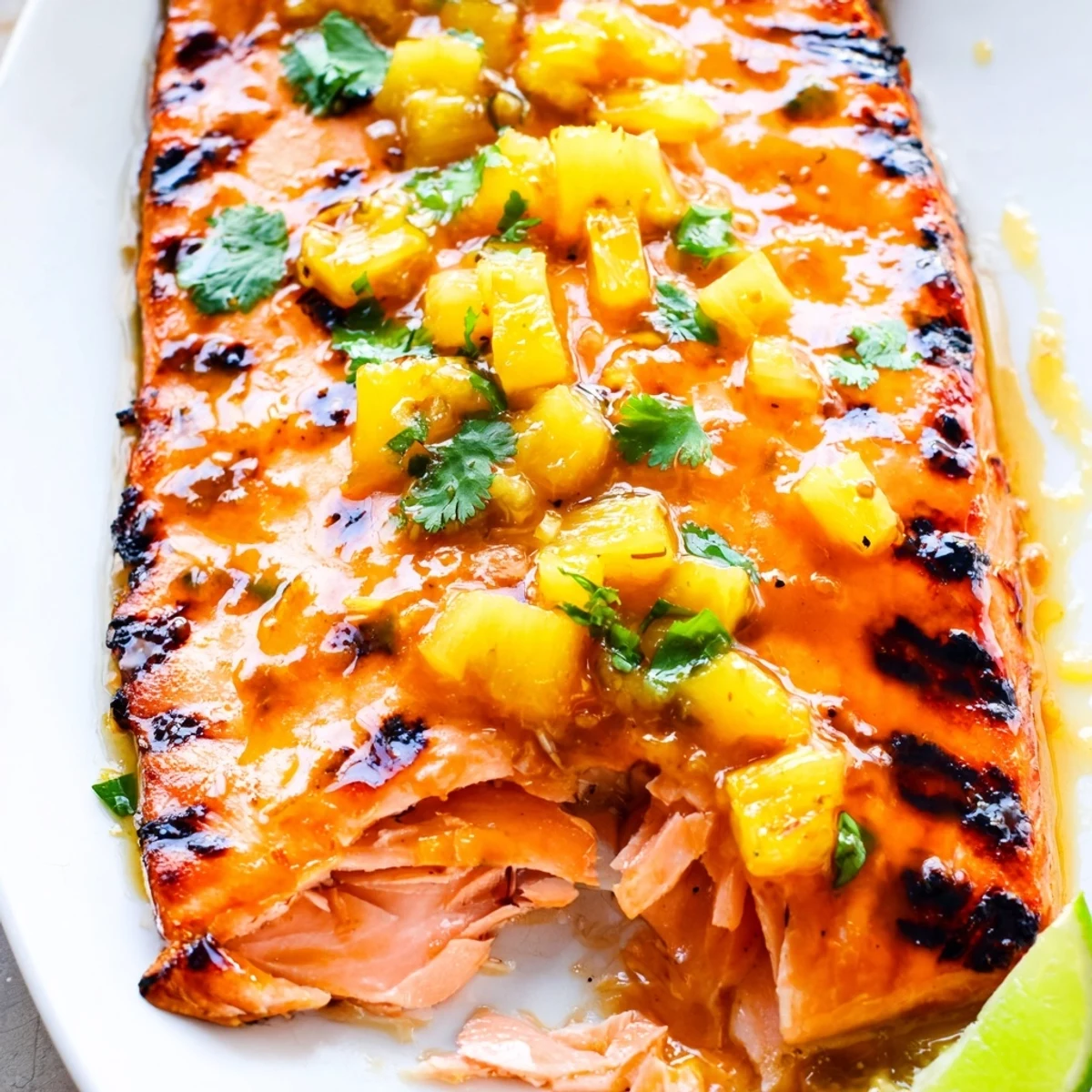
 This honey pineapple glazed salmon brings together the natural sweetness of honey with the tropical tang of pineapple juice, creating a luscious glaze that caramelizes beautifully in the oven.
The glaze comes together in minutes on the stovetop with soy sauce, garlic, and ginger adding savory depth. Simply brush it over salmon fillets and bake for 12–15 minutes until perfectly flaky.
Serve over jasmine rice or quinoa with steamed vegetables for a complete meal that's impressive enough for guests yet easy enough for a weeknight dinner.
The smell of caramelized pineapple hitting a hot pan is one of those scents that pulls everyone into the kitchen before you even announce dinner is ready. I threw this glaze together one rainy Tuesday when I had salmon defrosting and a half used pineapple sitting on the counter threatening to go bad. What started as a desperate use it up dinner turned into the most requested recipe in my house, and now my neighbor literally texts me on Sundays asking if I am making the salmon again.
My friend Laura stopped by unannounced the second time I made this, and she stood in the kitchen doorway sniffing the air like a cartoon character floating toward a pie. I handed her a fork straight from the dish rack and she ate a piece right off the tray while it was still too hot, burning her tongue and refusing to admit it because the flavor was worth it.
Ingredients
- Salmon fillets (4, about 150 to 180 g each): Skin on holds together better during baking but skin off works fine if that is what you have, just handle the pieces gently.
- Pineapple juice (half cup, unsweetened): Fresh squeezed from a real pineapple tastes brighter, but canned juice works perfectly in a pinch and saves you ten minutes of wrestling with a fruit.
- Honey (quarter cup): This is the backbone of the caramelization, so use a honey you actually enjoy eating on its own because the flavor concentrates as it bakes.
- Soy sauce (2 tbsp): Adds the salty umami balance that keeps the sweetness from becoming cloying, and gluten free tamari swaps in seamlessly if needed.
- Rice vinegar or apple cider vinegar (1 tbsp): A splash of acid wakes up the whole glaze and cuts through the richness of the salmon beautifully.
- Olive oil (1 tbsp): Helps the glaze coat the fish evenly and adds a subtle fruitiness of its own.
- Garlic (2 cloves, minced): Fresh garlic mashed into a paste with the flat of your knife melts into the sauce better than anything from a jar.
- Fresh ginger (1 tsp, grated): A microplane grates it down to almost a purée so it distributes through the glaze without leaving stringy bits.
- Cornstarch (1 tbsp, optional): Only needed if you want a thicker, lacquered finish that clings to the salmon instead of running off onto the tray.
- Water (2 tbsp, only if thickening): Mixed with the cornstarch to create a smooth slurry before it goes into the hot liquid.
- Fresh pineapple, diced (2 tbsp for garnish): Little bursts of raw fruit on top add a fresh crunch that contrasts with the warm glazed fish.
- Fresh cilantro or green onion, chopped (2 tbsp): Pick whichever herb matches your mood, cilantro leans tropical and green onion leans savory.
- Lime wedges (optional): A final squeeze over each plate brightens everything up right before eating.
Instructions
- Preheat and prepare your tray:
- Set the oven to 200 degrees Celsius (400 degrees Fahrenheit) and line a baking tray with parchment paper or give it a light coating of oil so nothing sticks later.
- Build the glaze:
- In a small saucepan, stir together the pineapple juice, honey, soy sauce, vinegar, olive oil, garlic, and ginger, then bring it to a gentle simmer over medium heat, stirring often so the honey does not scorch on the bottom.
- Thicken if you want:
- Dissolve the cornstarch in cold water, pour it into the bubbling glaze, and stir for one to two minutes until it turns glossy and coats the back of a spoon like syrup.
- Prep the salmon:
- Pat each fillet dry with paper towels and lay them on the tray, then season with a modest pinch of salt and pepper so you do not overpower the glaze.
- First coat:
- Brush about half the glaze over the fillets using long, even strokes, saving the rest for a second pass halfway through baking.
- Bake and baste:
- Slide the tray into the oven for twelve to fifteen minutes, pulling it out once at the halfway mark to brush on the remaining glaze so it builds up into a sticky, golden shell.
- Garnish and serve:
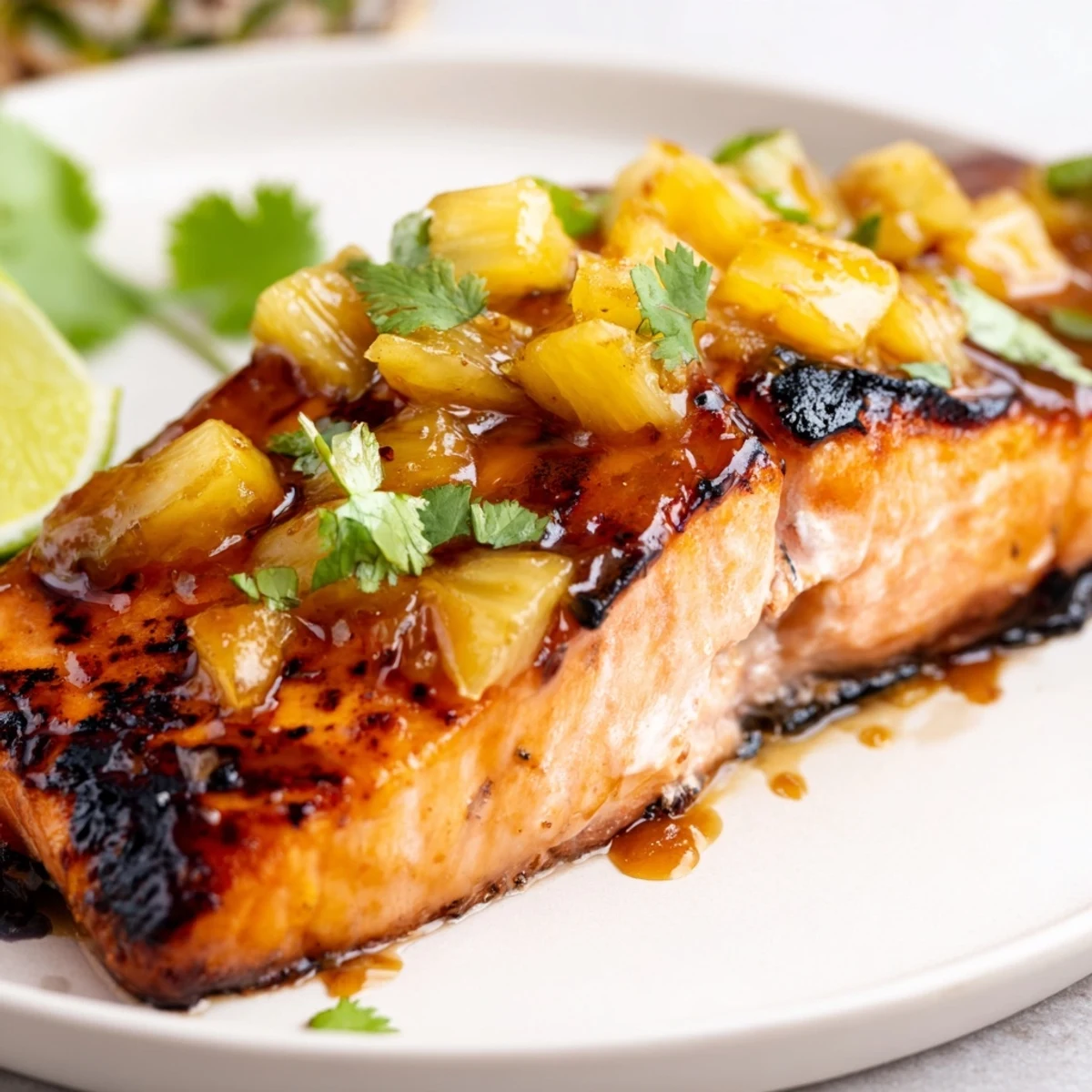
- Scatter the diced pineapple and herbs over the top right before serving, and add lime wedges to the plate for anyone who wants an extra hit of citrus.
 Save to Pinterest
 I made this for my mother on her birthday last year and she sat quietly after the first bite, which in my family means a dish has genuinely landed. She asked for the recipe before dessert, and my mother never asks for recipes.
What to Serve Alongside
Jasmine rice is the obvious pairing because it soaks up whatever glaze runs off the fish, but I have also served it over quinoa when I wanted something heartier and no one complained. Steamed broccoli or snap peas add color and crunch without competing with the sweetness of the pineapple.
Grilling Works Too
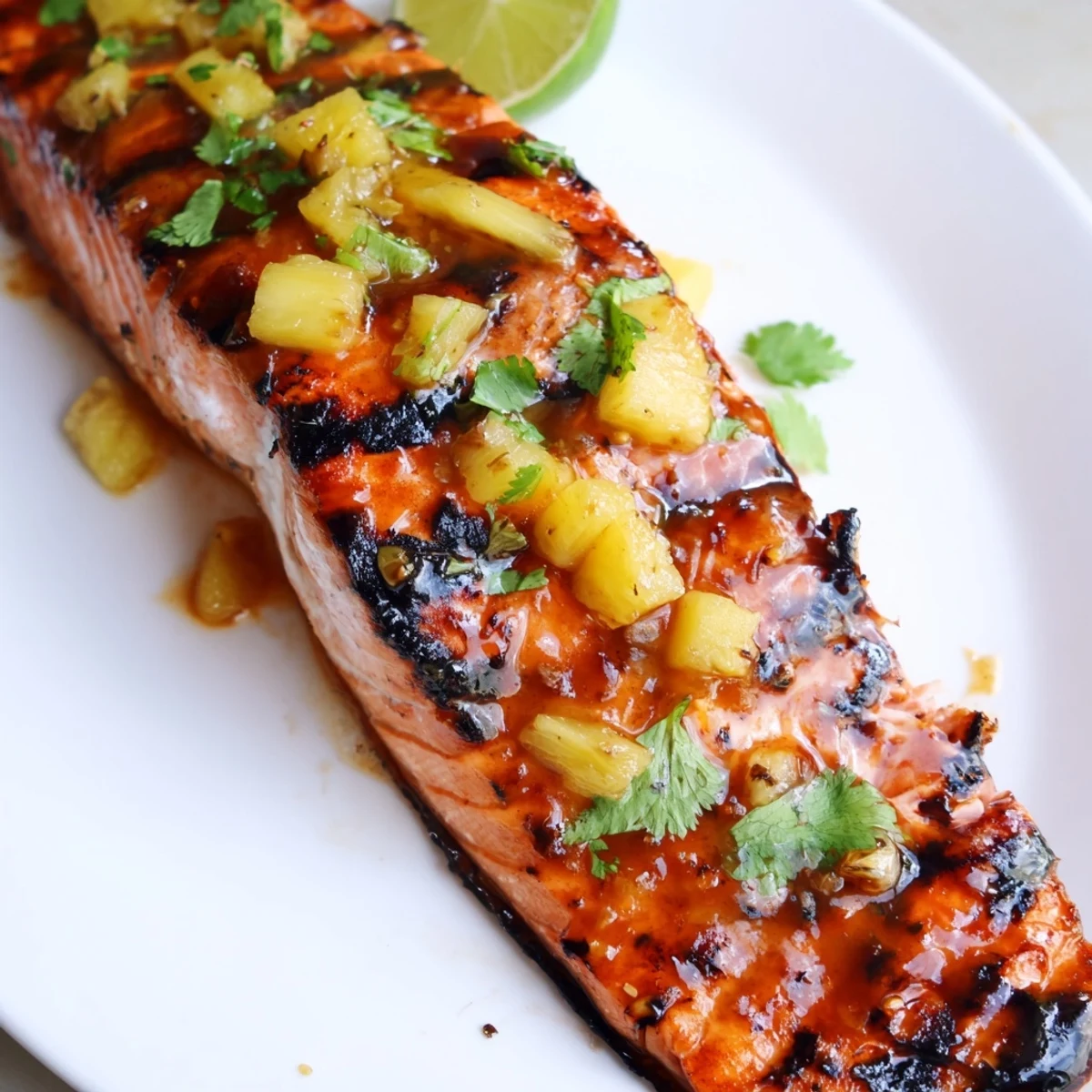
If it is summer and your oven feels like a punishment, this glaze translates beautifully to a medium heat grill, just put the salmon skin side down and brush on the sauce as it cooks so the sugars char slightly without fully burning.
Adjusting Sweetness and Heat
Maple syrup can stand in for honey if you want a rounder, earthier sweetness, and a pinch of chili flakes stirred into the glaze gives it a gentle warmth that does not overpower the fruit but keeps things interesting.
- Taste the glaze before it goes on the fish so you can adjust the balance to your liking.
- A little extra vinegar tames an overly sweet batch instantly.
- Always check your soy sauce label if cooking for someone with gluten sensitivities.
 Save to Pinterest
 This is the kind of recipe you memorize after making it twice, and then you will find yourself reaching for it whenever pineapple shows up in your kitchen. Trust the glaze, trust the timer, and enjoy the applause from whoever is lucky enough to sit at your table.
Recipe FAQs
- → Can I use frozen salmon fillets instead of fresh?
-
Yes, frozen salmon works well. Thaw it completely in the refrigerator overnight, then pat the fillets thoroughly dry before applying the glaze. Excess moisture can prevent the glaze from adhering properly and caramelizing in the oven.
- → What can I substitute for pineapple juice in the glaze?
-
Orange juice or mango nectar can replace pineapple juice for a different fruity profile. Keep in mind the flavor will shift, but the glaze will still caramelize nicely. You could also use a blend of orange and lemon juice for added brightness.
- → How do I know when the salmon is fully cooked?
-
The salmon is done when it flakes easily with a fork and reaches an internal temperature of 63°C (145°F). The flesh should be opaque throughout with a slight pinkness at the center. Avoid overcooking, as salmon dries out quickly beyond this point.
- → Can I grill the salmon instead of baking it?
-
Absolutely. Grill the salmon over medium heat, skin-side down if the skin is on. Brush with glaze as it cooks for about 12–14 minutes. Grilling adds a smoky char that pairs wonderfully with the sweet pineapple glaze.
- → How should I store and reheat leftovers?
-
Store leftover salmon in an airtight container in the refrigerator for up to 2 days. Reheat gently in a 150°C (300°F) oven for about 8–10 minutes to avoid drying it out. The microwave works too but can make the fish slightly rubbery.
- → Is this dish suitable for a gluten-free diet?
-
Yes, as long as you use gluten-free soy sauce or tamari. All other ingredients in the glaze are naturally gluten-free. Always check condiment labels to confirm no hidden gluten-containing additives are present.