
 Save to Pinterest
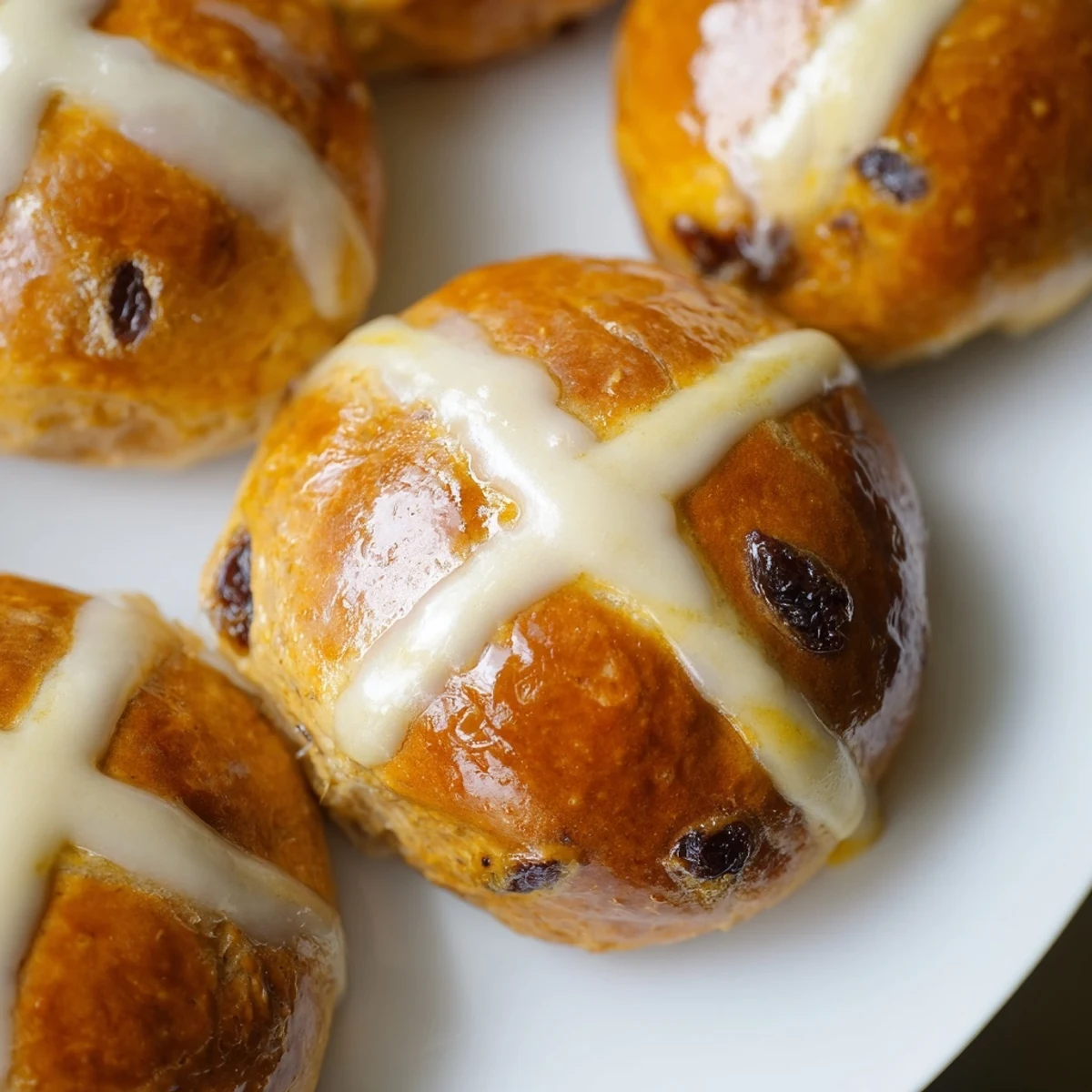
 These soft, fragrant buns feature a dough enriched with currants and warm spices like cinnamon, allspice, and nutmeg. The dough is carefully kneaded and left to rise twice for a light texture. Each bun is marked with a classic cross paste before baking, then brushed with a shiny apricot glaze for a beautiful finish. Perfect for festive occasions or a comforting snack, these buns carry a gentle sweetness balanced by spice and fruit.
The preparation involves mixing, kneading, two stages of rising, shaping, decorating with a flour paste cross, and glazing after a golden bake. They freeze well and can be refreshed with toasting. Suitable for a vegetarian diet, these buns combine traditional British flavors with inviting aromas and textures.
The kitchen smelled like a bakery and a spice merchant's shop had collided, and I was standing in the middle of it wearing flour-dusted pajamas at 7 a.m. on a Saturday I had fully intended to sleep through. My neighbor had knocked on my door the night before, holding a paper bag of currants she'd brought back from her mother's garden in Kent, and something about her urgency made me promise I'd use them immediately. That impulsive commitment led to my first batch of hot cross buns, kneaded while the coffee brewed and the rest of the world still slept.
I made these for a colleague who mentioned missing her grandmother's Easter traditions, and she ate three straight from the cooling rack without speaking, which I choose to interpret as the highest possible compliment. The currants plump up during baking into little bursts of sweetness that catch you by surprise, and the cross on top makes even the most secular among us feel like we're participating in something ancient and good.
Ingredients
- Bread flour: The protein content gives these buns their characteristic chew; all-purpose will work but the texture will be softer and less satisfying.
- Granulated sugar: Feeds the yeast and balances the spices without making the buns dessert-sweet.
- Instant dry yeast: Skip the proofing step and mix directly into the flour, but check your expiration date because dead yeast ruins everything.
- Ground cinnamon, allspice, and nutmeg: The holy trinity of Easter baking, measured precisely because nutmeg turns bitter fast.
- Fine sea salt: Sharpens all the flavors and controls yeast activity so your buns don't overproof into pancakes.
- Unsalted butter, softened: Adds richness and tenderizes the crumb; cold butter will fight you during kneading.
- Large egg: Binds the dough and contributes to that golden interior color.
- Whole milk, lukewarm: The temperature matters desperately, hot milk kills yeast, cold milk slows rising by hours.
- Currants: Smaller and more intense than raisins, they distribute evenly without overwhelming each bite.
- Zest of 1 orange: Optional but transformative, the citrus oils cut through the richness and make the spices sing.
- All-purpose flour and water for cross paste: No fat or sugar here, this bakes into a distinct stripe that cracks slightly.
- Apricot jam or honey with water for glaze: Creates the signature sheen and adds a thin, sticky sweetness that seals in moisture.
Instructions
- Wake up the dry ingredients:
- Whisk together the bread flour, sugar, yeast, cinnamon, allspice, nutmeg, and salt until the spices are evenly distributed and you can smell them rising. This is your foundation, and rushing it means biting into a pocket of pure nutmeg later.
- Bring everything together:
- Add the softened butter, egg, and lukewarm milk, then mix with a wooden spoon or dough hook until you have a shaggy, messy mass that looks unpromising. Trust the process, flour and liquid need time to negotiate with each other.
- Knead into submission:
- Work the dough for 8 to 10 minutes until it becomes smooth, elastic, and slightly tacky but not sticky. The windowpane test works here, stretch a small piece thin enough to see light through without tearing.
- Fold in the treasure:
- Gently knead in the currants and orange zest just until incorporated, distributing them evenly without crushing the fruit or overworking the gluten you've just developed.
- First rise:
- Transfer to a lightly oiled bowl, cover with a damp cloth or plastic wrap, and let rise in a draft-free spot until doubled, about an hour. The dough should feel airy and pillowy when you press it gently.
- Shape the buns:
- Punch down to deflate, divide into 12 equal pieces using a scale for precision, and shape each into a tight ball by tucking edges underneath. Space them on a parchment-lined tray with room to grow.
- Second rise:
- Cover loosely and let rise 45 to 60 minutes until puffy and nearly doubled; they should look like they might burst with potential.
- Prepare the oven and crosses:
- Preheat to 180°C and mix the flour and water into a thick pipeable paste, then transfer to a piping bag or zip-top bag with the corner snipped.
- Pipe with confidence:
- Pipe a cross over each risen bun, pressing just deeply enough to adhere without deflating the dough. The paste will spread slightly as it bakes.
- Bake to golden perfection:
- Bake 20 to 25 minutes until deeply golden and hollow-sounding when tapped on the bottom, rotating the tray halfway if your oven has hot spots.
- Glaze while warm:
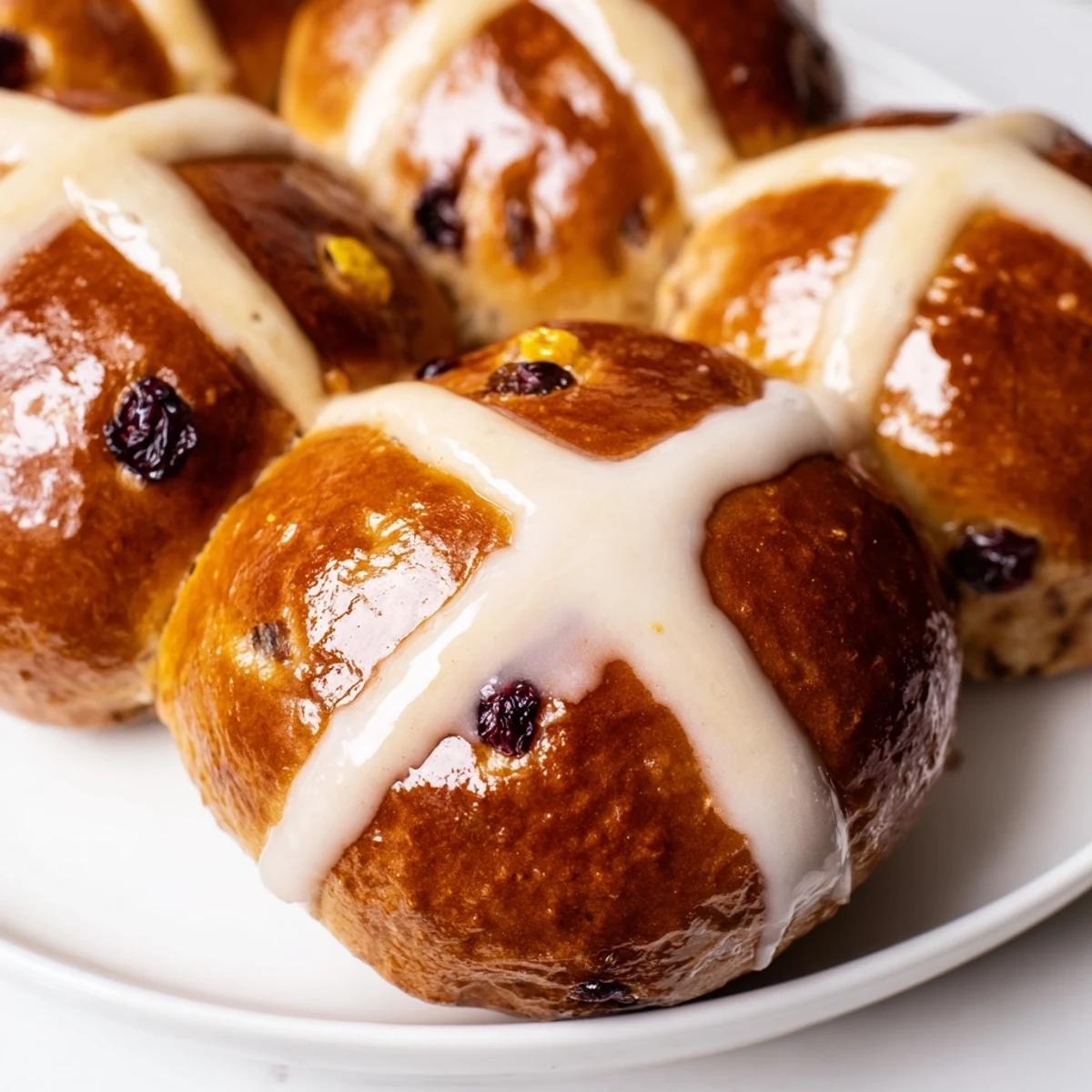
- Heat the jam and water until fluid, then brush generously over the hot buns immediately from the oven, the glaze will set into a thin, shiny shell as they cool.
- Practice patience:
- Cool on a wire rack for at least 20 minutes before tearing into one, the texture sets and the flavors settle during this wait.
 Save to Pinterest
 My mother called me three days after I first made these, having found the recipe I'd scrawled on a receipt and left at her house. She made them for her book club and reported that one member had eaten two despite claiming to be gluten-free, which I suspect is the most honest review a baker can receive.
The Case for Lukewarm Milk
I once killed an entire batch with milk I thought was merely warm, turns out my finger tolerance runs hotter than yeast survival rates. Now I use a thermometer like a professional, 40°C or 105°F, no guessing, no mourning dead dough.
Cross Paste Consistency
The paste should feel like thick toothpaste, stiff enough to stand in peaks but soft enough to pipe without hand cramps. Too thin and your crosses melt into vague suggestions, too thick and they bake into chalky ridges that separate from the bun.
Storage and Revival
These keep beautifully for two days in an airtight container, but day three demands resurrection. Split and toast until the edges crisp and the currants warm through, then spread with salted butter that melts on contact.
- Freeze individually wrapped for up to three months, thaw overnight on the counter.
- Refresh frozen buns in a 160°C oven for 8 minutes, never microwave, it ruins the texture.
- Save any stale ends for bread pudding, the spices and fruit make exceptional dessert.
 Save to Pinterest
 However you time these, whether for Easter morning or a random Tuesday that needs improving, the process of making them slows you down in the best possible way. Some recipes demand your full attention, and this is one of them, the reward is a bun that tastes like patience and celebration combined.
Recipe FAQs
- → What is the purpose of the cross paste?
-
The cross paste, made from flour and water, is piped on the buns before baking to create the signature cross pattern that hardens during baking.
- → Can I substitute currants with another dried fruit?
-
Yes, raisins can be used instead of currants for a similar texture and sweetness.
- → How do I achieve a shiny glaze on the buns?
-
Brush warm apricot jam mixed with water over the buns immediately after baking to get a glossy finish.
- → What spices are used to flavor the dough?
-
The dough contains ground cinnamon, allspice, and nutmeg, contributing warm, aromatic notes.
- → How long does the dough need to rise?
-
The dough requires two rising periods: about 1 hour for the first rise, then 45–60 minutes after shaping.