
 Save to Pinterest
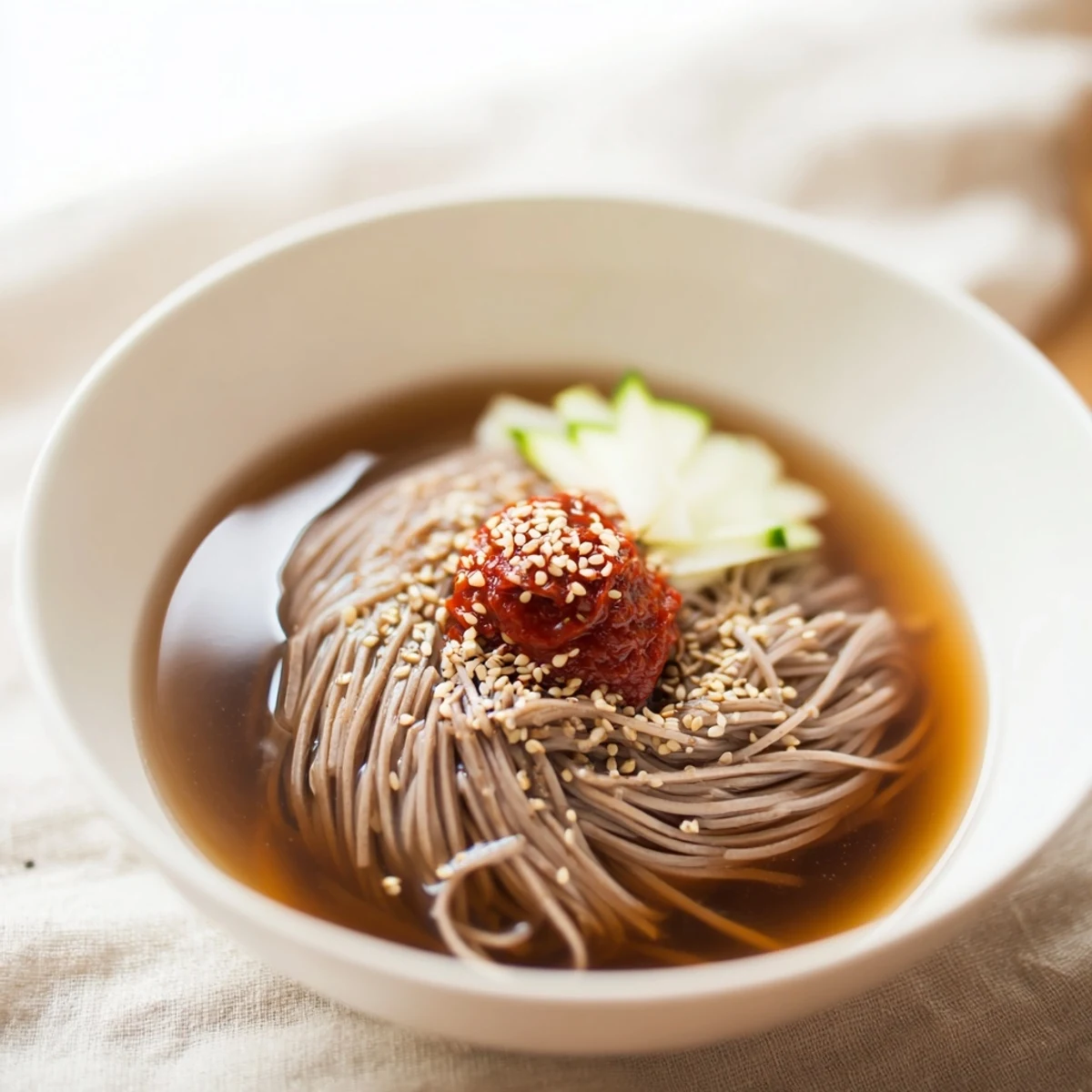
 Experience the refreshing essence of Korean cuisine with these chewy buckwheat noodles swimming in an ice-cold tangy broth. The dish combines perfectly cooked naengmyeon noodles with a flavorful blend of beef broth, rice vinegar, and subtle sweetness. Topped with thinly sliced beef brisket, crisp Asian pear, cucumber halves, and creamy hard-boiled eggs, each bowl offers a delightful contrast of textures and temperatures. The broth gets its signature tang from rice vinegar while sugar and soy sauce create perfect balance. Serve with ice cubes for authentic chill and garnish with toasted sesame seeds. Optional gochujang adds gentle heat for those craving extra kick.
My first encounter with naengmyeon happened during a sweltering July afternoon at a hole-in-the-wall restaurant in Los Angeles Koreatown. The air conditioning was barely fighting the heat, but when that icy bowl landed on my table, shivering with condensation, I understood why Koreans swear by this dish in summer. The noodles were impossibly chewy, the broth shockingly cold yet somehow comforting, and I left wondering why I'd spent decades eating hot soup when temperatures hit ninety degrees. Now I make it at home whenever the humidity makes cooking feel like a chore.
Last summer I hosted a rooftop dinner and served this as the main course. Everyone was skeptical about cold soup until they took their first slurp, then suddenly bowls were being passed around for seconds while someone's dad demanded the recipe. By the time dessert rolled around, my friend Sarah was already texting me from her car, asking which brand of noodles I bought because her teenagers had declared it their new favorite thing. There's something universally satisfying about food that wakes you up and cools you down simultaneously.
Ingredients
- Beef broth: Homemade gives you that restaurant depth, but in a pinch, I've used low-sodium store-bought with extra aromatics and nobody complained
- Rice vinegar: This is your brightness anchor, and I learned the hard way that regular vinegar makes everything taste harsh and one-note
- Sesame oil: Use the toasted kind, because untoasted is just expensive oil with no soul
- Naengmyeon noodles: Look for buckwheat noodles specifically marked for cold dishes, they have that distinctive chew that regular soba just can't replicate
- Asian pear: The sweetness here isn't optional, it balances the vinegar and creates that authentic restaurant flavor profile
- Ice cubes: Not just for presentation, they're crucial for keeping everything properly chilled until you're ready to eat
Instructions
- Make the broth base:
- Whisk together your beef broth, cold water, rice vinegar, sugar, soy sauce, sesame oil, and salt until everything dissolves completely. Pop this in the fridge for at least an hour, because room temperature broth defeats the entire purpose and I've learned from sad experience that lukewarm naengmyeon is just disappointing.
- Prep your toppings while the broth chills:
- Boil your eggs for exactly ten minutes, then plunge them into ice water for easy peeling. Slice your beef thin, cut your cucumber and pear into paper-thin ribbons, and keep everything cold and separated on a plate until showtime.
- Cook and shock the noodles:
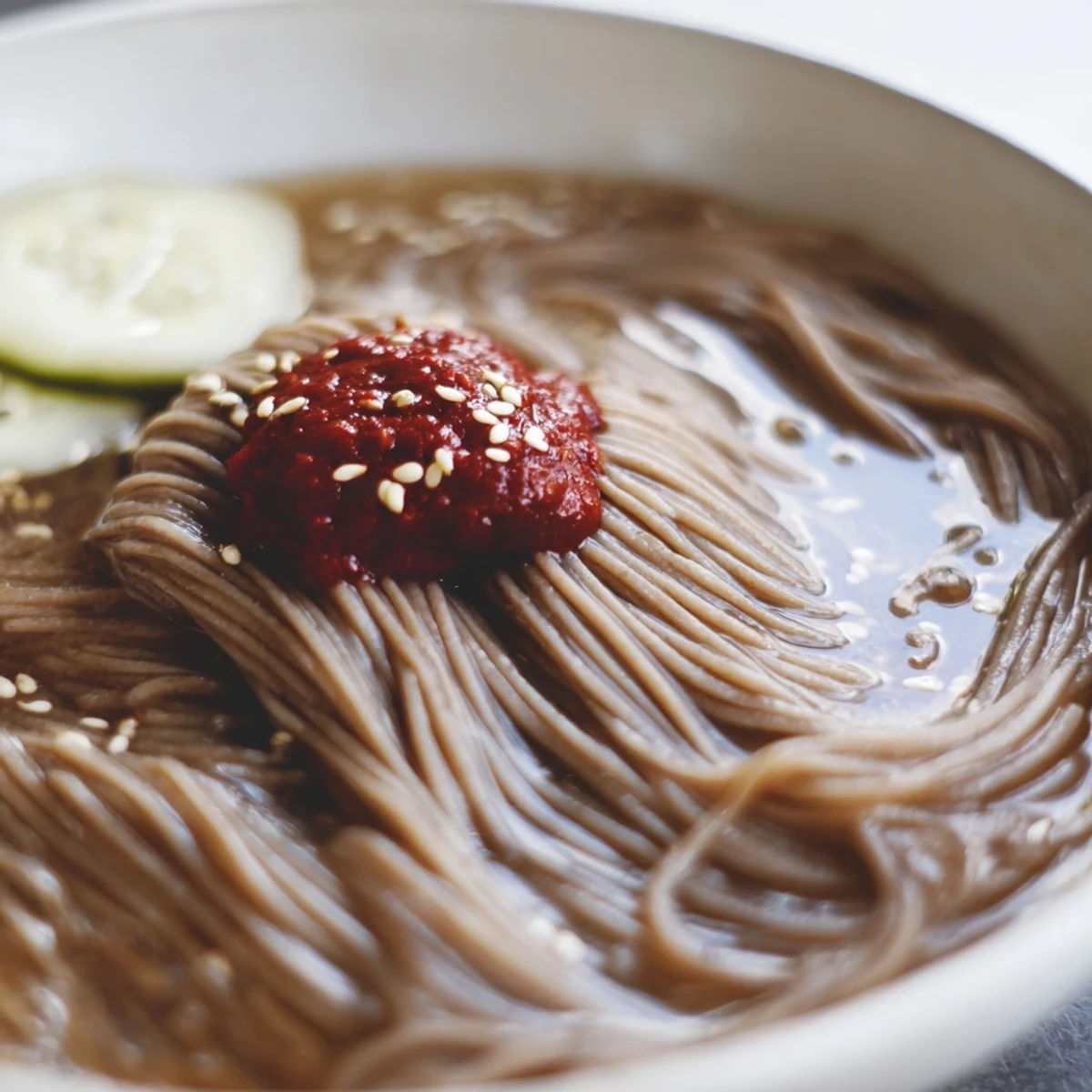
- Boil those noodles according to the package, usually about three or four minutes for that perfect toothsome texture. Drain and rinse under freezing cold water until they're literally cold to the touch, tossing them around with your hands to remove all the starchy surface slickness.
- Build your bowls:
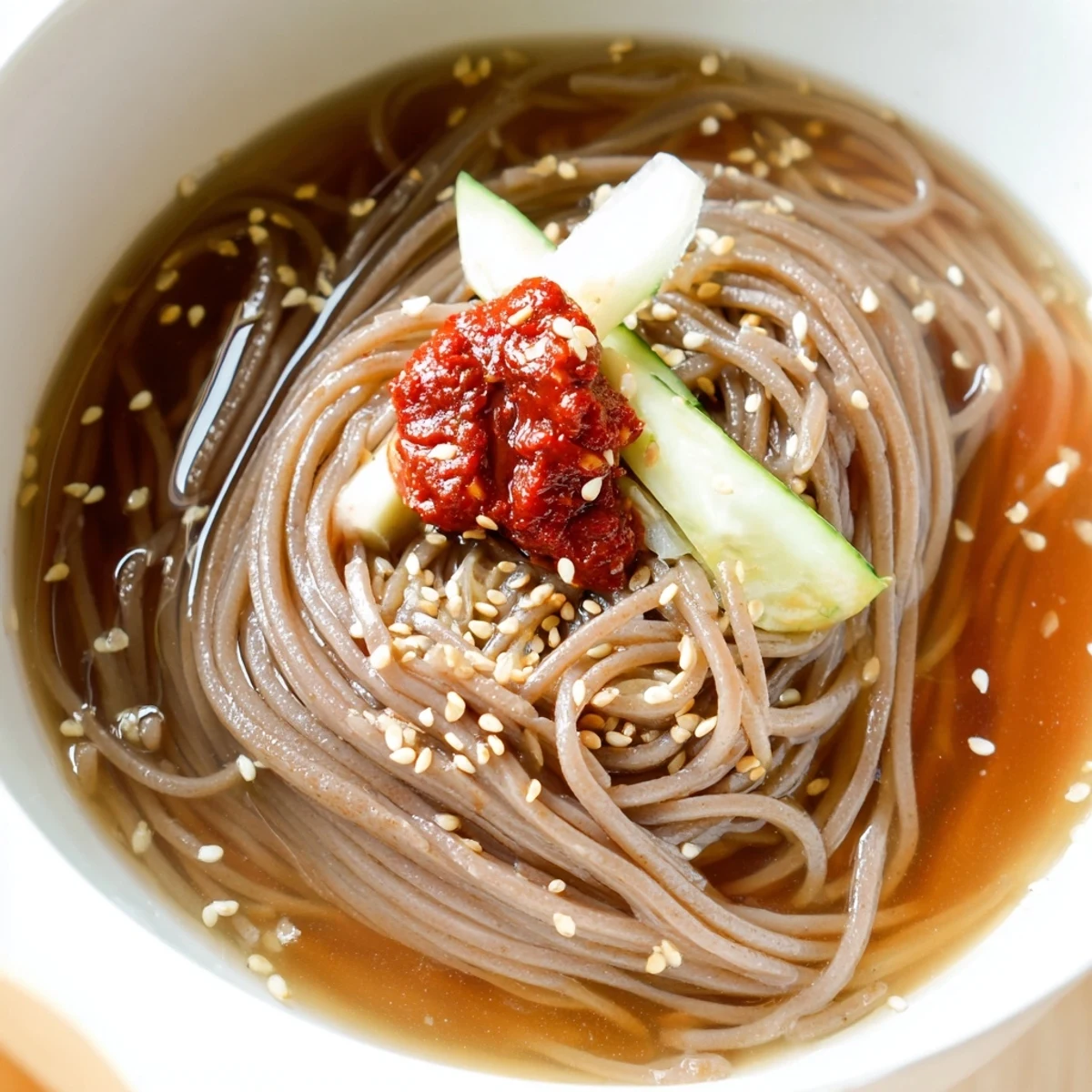
- Divide the noodles among four bowls, arranging them in a neat little mound. Pour that icy broth all around, letting it pool up the sides, then artistically place your toppings so each bowl looks like something you'd pay eighteen dollars for.
- Finish with flair:
- Drop in those ice cubes, sprinkle sesame seeds like you're seasoning a masterpiece, and add gochujang if you want that gentle heat kick. Serve immediately with extra vinegar on the table so everyone can customize their perfect bowl.
 Save to Pinterest
 This recipe became my go-to for summer potlucks after I brought it to a block party and watched three different people ask for the URL. Something about eating with scissors (traditional but totally optional) and all those bright colors makes people genuinely excited to dig in. Now whenever the forecast shows temperatures above eighty, my group chat starts blowing up with requests for 'that cold noodle thing.'
Making It Your Way
I've played around with different broths over the years, and while beef is traditional, chicken makes a lighter version that's perfect for lunch. My vegetarian friends swear by a mushroom-based broth with extra soy sauce for depth. The key is keeping that tangy-sweet balance regardless of your base liquid.
Temperature Is Everything
Professional kitchens freeze their serving bowls beforehand, and once I started doing this at home, the difference was remarkable. Cold bowls mean your soup stays icy longer, giving you time to eat without everything turning lukewarm halfway through. It's one of those tiny touches that makes people ask what your secret is.
The Art of Assembly
Korean cooks arrange toppings in a specific pattern, usually with the egg facing up like a sun and ingredients placed by color. I used to think this was purely aesthetic until I noticed how it lets you taste every element separately before mixing everything together. Now I take the extra thirty seconds, and honestly, food that looks this good just tastes better.
- Cut the noodles with kitchen scissors before serving, they're famously long and slippery, which makes eating them an adventure
- Keep a small pitcher of extra broth in the fridge, because someone always wants more liquid
- The gochujang is meant to be stirred in gradually, not dumped all at once, so let people control their own heat level
 Save to Pinterest
 There's something deeply satisfying about eating food that's been perfected over generations, especially when it's this refreshing. Once you master the balance, you'll find yourself craving it on the hottest days, and that's exactly when it tastes like pure magic.
Recipe FAQs
- → What makes naengmyeon broth so distinctive?
-
The broth achieves its signature tang through rice vinegar combined with beef broth, soy sauce, and just enough sugar for balance. The addition of sesame oil adds subtle nutty depth while keeping flavors bright and refreshing.
- → Can I substitute regular noodles for naengmyeon?
-
Soba noodles work wonderfully as they share similar buckwheat composition and chewy texture. Avoid using ramen or Italian pasta as their texture and flavor profile differ significantly from authentic naengmyeon.
- → Why is serving temperature crucial for this dish?
-
The extreme cold temperature enhances the refreshing quality and contrasts beautifully with hot weather. Chilled serving bowls plus ice cubes in the broth maintain optimal temperature throughout the meal.
- → What protein alternatives work well?
-
Thinly sliced pork belly or shredded chicken breast make excellent alternatives to beef brisket. For vegetarian options, try marinated tofu or simply increase the quantity of Asian pear and cucumber.
- → How far in advance can I prepare components?
-
The broth improves after chilling overnight. Toppings can be prepped several hours ahead and stored separately. Cook and rinse noodles just before serving to maintain their signature chewy texture.