
 Save to Pinterest
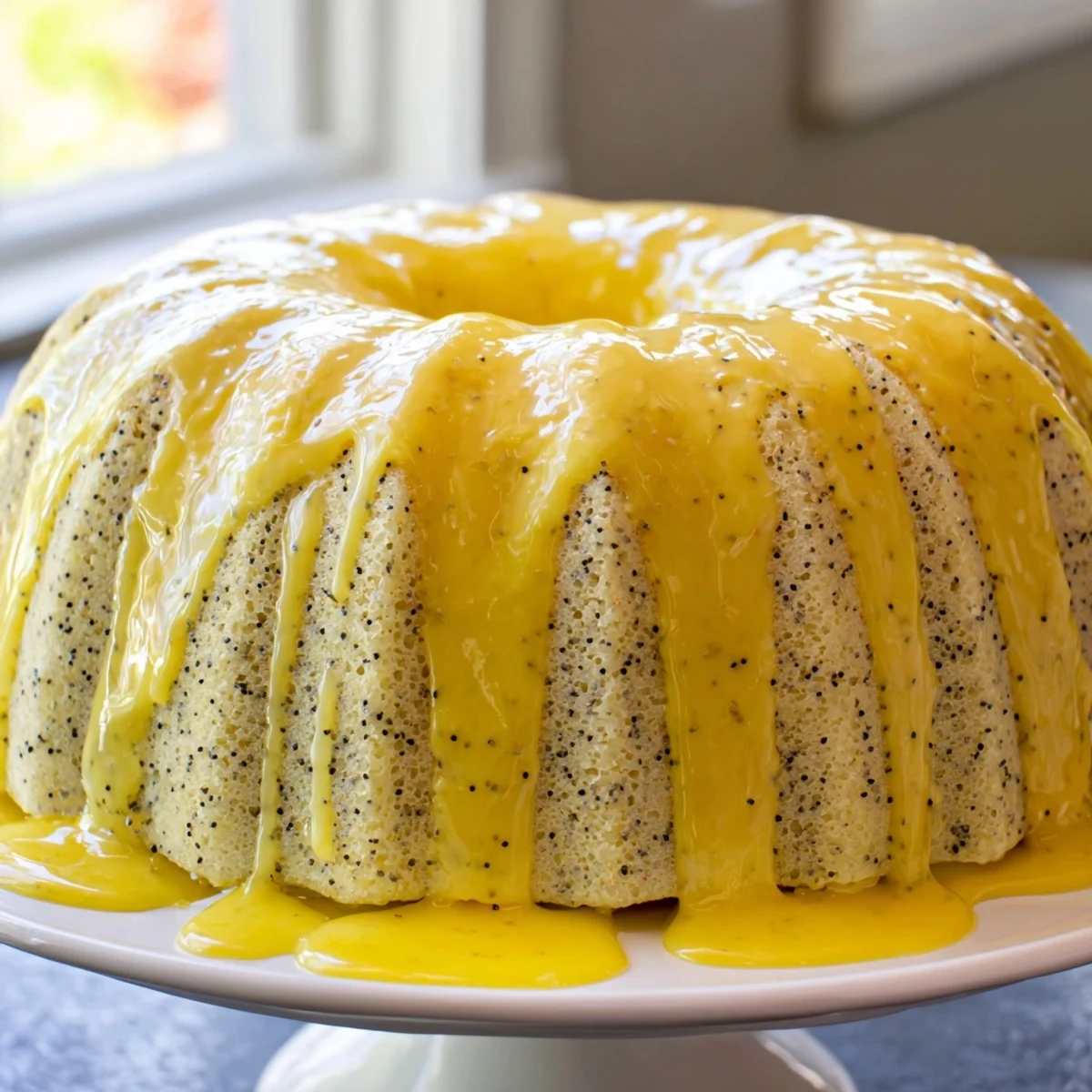
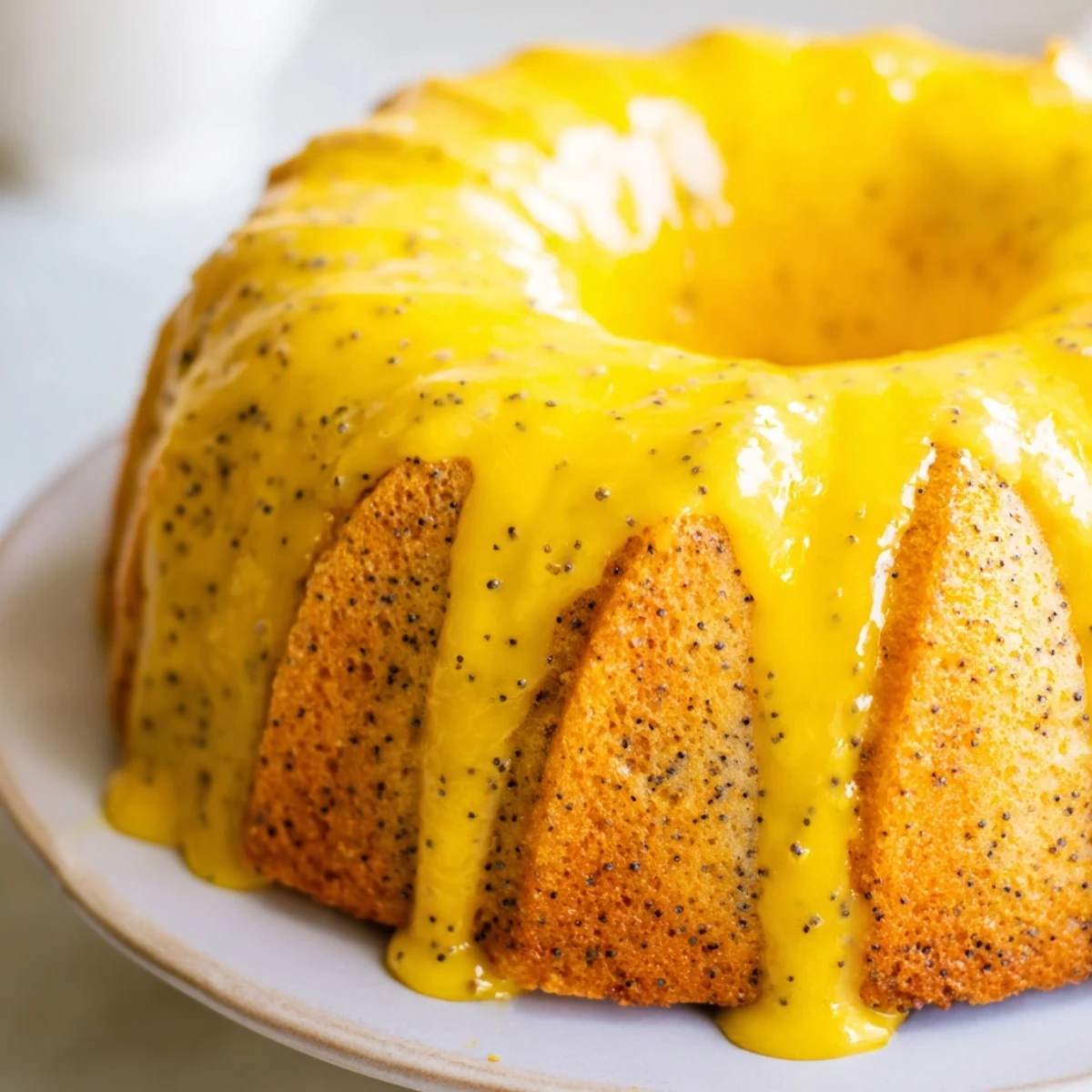
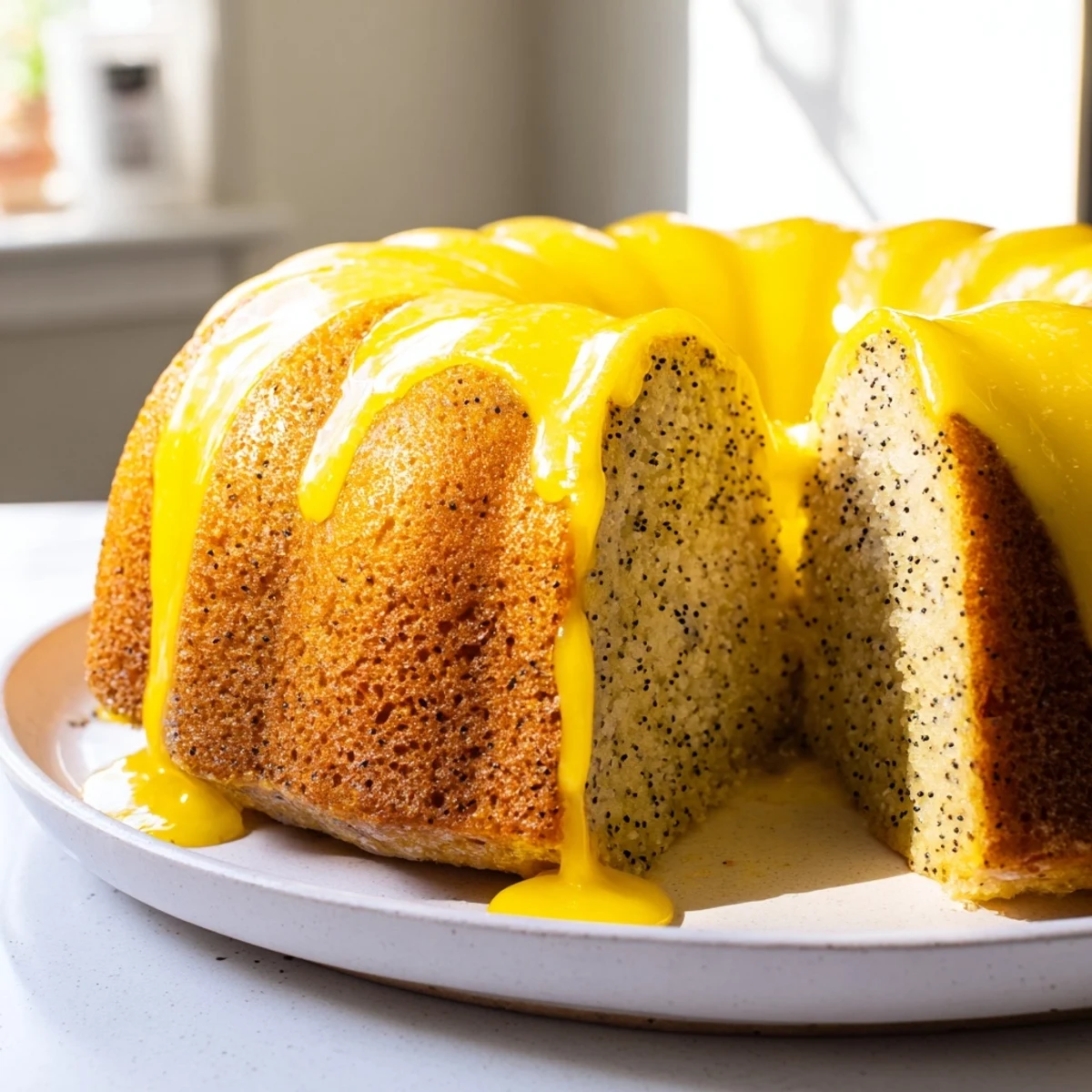
 This elegant Bundt cake combines moist, tender crumb with vibrant lemon flavor and delicate poppy seed texture throughout. A creamy sour cream and milk mixture ensures exceptional moisture, while fresh lemon zest and juice infuse every bite with citrus brightness. Top with a smooth, tangy lemon glaze for a professional bakery finish.
Perfect for brunch gatherings, afternoon tea service, or special occasions, this American classic serves 12 and takes just over an hour from start to finish. Medium difficulty makes it achievable for home bakers seeking an impressive presentation.
The morning after a particularly terrible rainstorm, I found myself craving something bright and cheerful to bake. Outside, puddles reflected gray skies, but inside, my kitchen filled with the aroma of fresh lemons as I zested them over my mixing bowl. This Lemon Poppy Seed Bundt cake became my personal sunshine that day, each slice delivering a burst of citrus happiness that seemed to chase away the gloom.
Last spring, I brought this cake to my colleague Marthas retirement gathering, not expecting much fanfare amid the spread of desserts. The cake disappeared so quickly that several people asked me for the recipe before the party ended. Martha later confessed she saved the last slice to enjoy with her morning coffee the next day, claiming it was the perfect breakfast treat.
Ingredients
- Poppy seeds: Those tiny blue-black seeds arent just for visual appeal - they add the most delightful gentle crunch against the soft cake crumb.
- Sour cream: After trying this cake with and without, I can promise the sour cream is non-negotiable for achieving that perfect moisture level and subtle tanginess.
- Lemon zest: Make sure you only grate the yellow part of the lemon peel, as the white pith underneath can add an unwelcome bitterness.
- Room temperature ingredients: The eggs, milk and sour cream really do need to be at room temperature - I learned the hard way that cold ingredients create a denser, less impressive rise.
Instructions
- Prep your pan perfectly:
- Ive had my heart broken by stuck bundt cakes before, so now I butter every nook and cranny, then dust with flour, tapping out the excess. Your future self will thank you for this attention to detail.
- Cream with patience:
- When beating the butter and sugar, give it the full three minutes until genuinely light and fluffy. Youll notice it change color slightly to a paler yellow, which means youre incorporating just the right amount of air.
- The alternating dance:
- Add your dry and wet ingredients in alternating batches, starting and ending with flour. This prevents the batter from curdling and keeps the texture silky smooth.
- The toothpick test:
- Dont rush the baking time, even if your kitchen smells heavenly. Insert a toothpick into the thickest part, and it should come out clean or with a few dry crumbs.
- The 15-minute rule:
- Let the cake cool in the pan for exactly 15 minutes - not 5, not 30. This allows the structure to set while still being warm enough to release cleanly.
- Glaze when cool:
- Wait until the cake is completely cool before glazing. I once rushed this step and watched my beautiful glaze melt right into the cake instead of creating that picture-perfect drizzle.
 Save to Pinterest
 My neighbor Elaine knocked on my door during a particularly stressful week, just as I was pulling this cake from the oven. We ended up sitting in comfortable silence at my kitchen table, savoring thick slices as steam rose from our coffee cups. Sometimes the right dessert at the right moment can turn strangers into friends or restore your equilibrium when life feels chaotic.
Storing Your Lemon Bundt
Through multiple iterations of this recipe, Ive discovered the flavor actually improves overnight as the lemon notes mellow and deepen. Store it under a cake dome or wrapped in plastic at room temperature, where it will stay perfectly moist for up to three days - though in my house it rarely lasts past the second morning.
Seasonal Adaptations
During summer months when Meyer lemons are available, I swap them in for regular lemons for a slightly sweeter, more complex flavor profile. The difference is subtle but noticeable to citrus enthusiasts, adding a touch of seasonal specialness that makes people wonder what your secret ingredient might be.
Serving Suggestions
While this cake shines brilliantly on its own, Ive found a few accompaniments that elevate it to dinner party status. The tartness pairs wonderfully with a dollop of lightly sweetened whipped cream or a scoop of vanilla bean ice cream.
- For brunch gatherings, serve thin slices alongside fresh berries and a sprig of mint for a refreshing contrast.
- If serving as dessert after dinner, a small glass of limoncello makes a delightfully complementary digestif.
- Consider plating individual slices with a drizzle of warmed honey and a light dusting of extra powdered sugar for a restaurant-worthy presentation.
 Save to Pinterest
 This lemon poppy seed bundt has become my reliable crowd-pleaser, the recipe I reach for when I need something special without unnecessary fuss. Each time I make it, I remember that sometimes the most extraordinary pleasures come from the simplest combinations.
Recipe FAQs
- → Can I use a regular cake pan instead of a Bundt pan?
-
Yes, you can use two 8 or 9-inch round pans or a 9x13 rectangular pan. Reduce baking time by 5-10 minutes and check doneness with a toothpick. The Bundt shape creates the signature presentation, but any greased pan works.
- → How do I prevent the cake from sticking to the Bundt pan?
-
Thoroughly grease the pan with butter or cooking spray, paying special attention to the center tube and decorative ridges. Flour the entire pan or use non-stick spray designed for baking. Cool for exactly 15 minutes before inverting—too soon risks sticking, too long causes difficulty releasing.
- → What's the best way to get the glaze consistency right?
-
Start with 3 tablespoons of lemon juice and whisk with sifted powdered sugar until smooth. Add the fourth tablespoon gradually if needed. The glaze should flow slowly over the cake without running off immediately. Drizzle when the cake is completely cool to set properly.
- → Can I make this cake ahead of time?
-
Yes. The unfrosted cake keeps 2-3 days wrapped tightly at room temperature or up to 5 days refrigerated. Apply glaze the day of serving for best appearance. You can also freeze the baked cake for up to 3 months before glazing.
- → How do I intensify the lemon flavor?
-
Add 1 tablespoon of lemon extract to the batter along with the zest and juice. Increase lemon zest to 1.5-2 tablespoons or use Meyer lemons for sweeter, less acidic citrus notes. The glaze can include ½ teaspoon of extract for extra depth.
- → Why is room temperature milk and sour cream important?
-
Cold dairy won't incorporate smoothly into the batter and can cause lumping or uneven crumb structure. Room temperature ingredients emulsify properly, creating a tender, moist cake with consistent texture throughout.