
 Save to Pinterest
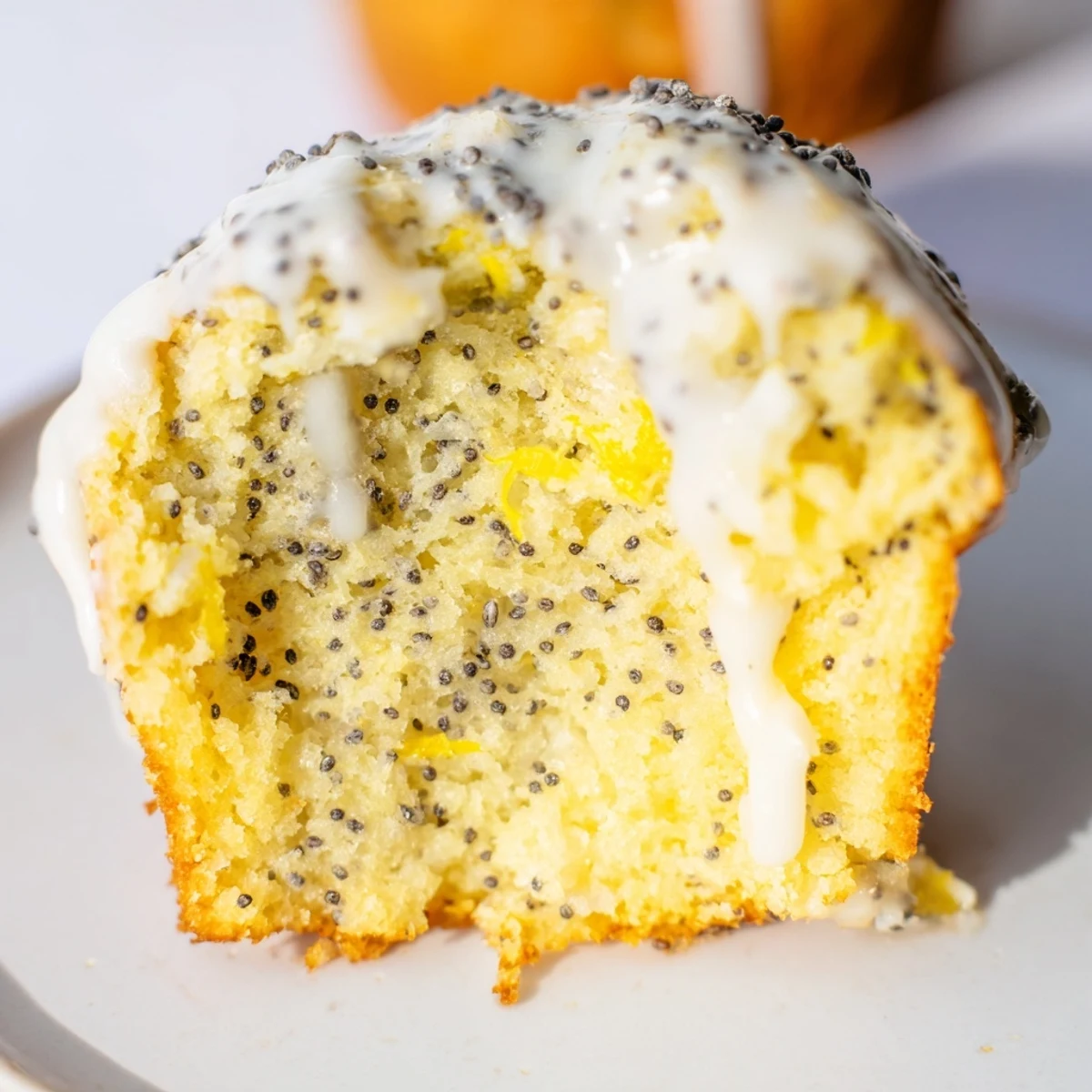
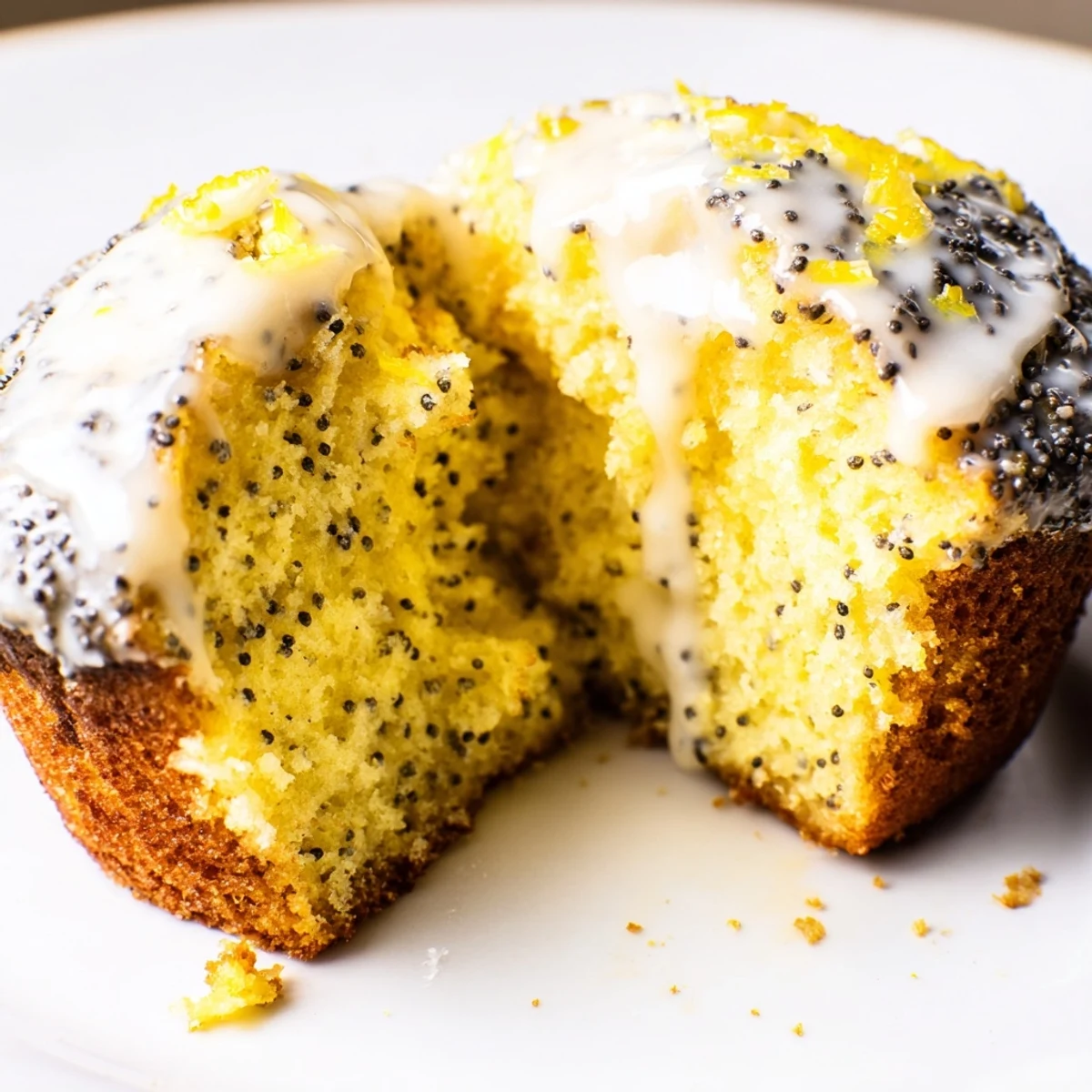
 These lemon poppy seed muffins combine zesty lemon zest and juice with crunchy poppy seeds and creamy Greek yogurt for moisture. The mixture of leavening agents ensures a tender crumb, while gentle folding prevents toughness. Baking at 375°F produces a golden crust and soft interior. Perfect for breakfast or snack, they keep fresh for days when stored airtight. Optional lemon glaze adds extra brightness.
There's something about the smell of lemon zest hitting a warm mixing bowl that instantly takes me back to Sunday mornings at my neighbor's kitchen. She'd stand there with her fingers already sticky from rubbing lemon zest into sugar, humming something I could never quite place, and the whole room would fill with this bright, almost electric citrus scent. That's when I first understood that poppy seed muffins weren't just breakfast—they were a small ritual, a moment when everything felt intentional and full of possibility.
I made these for my coworker's birthday one Friday, and I'll never forget how she stood by my desk just eating one after another, barely saying a word except 'this is insane.' There's a quiet kind of joy in watching someone discover that homemade can actually taste better than a bakery version, especially when they weren't expecting it.
Ingredients
- All-purpose flour: Use the 2 cups measure loosely and level with a knife—this prevents the dense, heavy muffins that come from packing flour down.
- Poppy seeds: One tablespoon gives you those delicate speckles and a subtle nutty depth without overpowering the lemon.
- Baking powder and baking soda: Together they create that perfect tender rise; skip one and the muffins go either dense or too cakey.
- Lemon zest: Zest the lemons before cutting them in half for juice—it's easier, and you get more fragrant oils into your batter.
- Greek yogurt: The thickness here is key; it keeps these muffins moist for days without adding excess water that would make them gummy.
- Vegetable oil: Use a neutral oil so the lemon stays the star; olive oil shifts the whole flavor profile in ways you might not want.
- Fresh lemon juice: Bottled won't give you the same brightness, so squeeze your lemons fresh—it matters more than you'd think.
Instructions
- Set your oven and prep:
- Heat the oven to 375°F and line your muffin tin with paper liners. This temperature is specific—too hot and the tops brown before the centers cook through; too cool and you get a dense, sunken result.
- Combine your dry ingredients:
- Whisk together flour, poppy seeds, baking powder, baking soda, and salt in a large bowl. Set this aside untouched; you'll need it in just a moment.
- Awaken the lemon zest:
- In your second bowl, combine sugar and lemon zest, then rub them together with your fingers for about 30 seconds until the mixture becomes fragrant and slightly damp. This simple step releases the oils and spreads lemon flavor throughout the batter instead of just on top.
- Build the wet mixture:
- Add eggs, yogurt, oil, lemon juice, and vanilla to the zest-sugar mixture and whisk until completely smooth. Don't leave streaks of egg or yogurt; blend until it's uniformly pale.
- The gentle fold:
- Pour the wet ingredients into the dry and stir just until combined—this is where patience pays off. Overmixing toughens the muffins, so stop as soon as you don't see dry flour anymore, even if there are a few small lumps.
- Fill and bake:
- Divide the batter evenly among the 12 cups, filling each about three-quarters full. Bake for 18 to 20 minutes until a toothpick inserted in the center comes out clean or with just a few moist crumbs clinging to it.
- Cool with intention:
- Let them sit in the pan for 5 minutes—this sets the structure—then transfer to a cooling rack. They'll continue to set as they cool, and waiting those few minutes keeps them from cracking or breaking.
 Save to Pinterest
 My friend brought her daughter over one morning, and the four-year-old took one bite and asked if we made it ourselves. When we said yes, she looked genuinely amazed, like we'd done something far more impressive than we actually had. Sometimes the smallest moments remind you why you bother learning to bake at all.
The Lemon Factor
Lemon can go wrong fast—too much and you get something mouth-puckeringly sour; too little and you're left wondering why you didn't just buy a blueberry muffin instead. This recipe walks that line carefully, using both zest and juice to build flavor gradually instead of hitting you with acidity all at once. The yogurt's tang plays beautifully against it, rounding out the sharpness so everything feels complete and balanced.
Why Yogurt Makes the Difference
Most muffins rely on butter for moisture, which creates that dense, heavy crumb after a day or two. Yogurt doesn't dry out the same way; it keeps these muffins tender and almost creamy inside for days. The acid in yogurt also reacts with the baking soda to help them rise beautifully, so you get that perfect dome on top without doing anything special.
Variations and Finishing Touches
Once you've mastered the basic muffin, you have options. A simple lemon glaze—just powdered sugar whisked with a tablespoon of fresh lemon juice—drizzled over the cooled muffins takes them from homemade to almost bakery-special. You can swap sour cream for the yogurt if that's what you have on hand, though you might add a tablespoon of milk to thin it slightly. And if you're the type who likes extra poppy seed crunch, go ahead and add a teaspoon or two more; they're good like that.
- Make a lemon glaze by mixing powdered sugar with fresh lemon juice until it reaches a drizzle consistency.
- Store these in an airtight container at room temperature for up to three days, or freeze the baked muffins for up to a month.
- These are excellent halved and toasted with a little butter the next morning, which somehow makes them taste even better.
 Save to Pinterest
 These muffins are the kind of thing that gets people asking for the recipe, and it's always funny to hand them this and watch their faces when they realize how simple it actually is. There's something deeply satisfying about that moment.
Recipe FAQs
- → What gives these muffins their moist texture?
-
The addition of Greek yogurt and vegetable oil helps provide a tender and moist crumb in the muffins.
- → How do poppy seeds affect the muffins?
-
Poppy seeds add a pleasant crunch and subtle nutty flavor that complements the lemon's brightness.
- → Can I substitute yogurt with something else?
-
Sour cream can be used as a substitute for yogurt to maintain moisture and tangy notes.
- → What is the best way to mix the batter?
-
Combine wet and dry ingredients gently and briefly to avoid overmixing, which could toughen the muffins.
- → How do I check if the muffins are fully baked?
-
Insert a toothpick into the center; if it comes out clean or with a few moist crumbs, the muffins are done.
- → Can these muffins be stored, and for how long?
-
Store muffins in an airtight container at room temperature for up to 3 days to maintain freshness.