
 Save to Pinterest
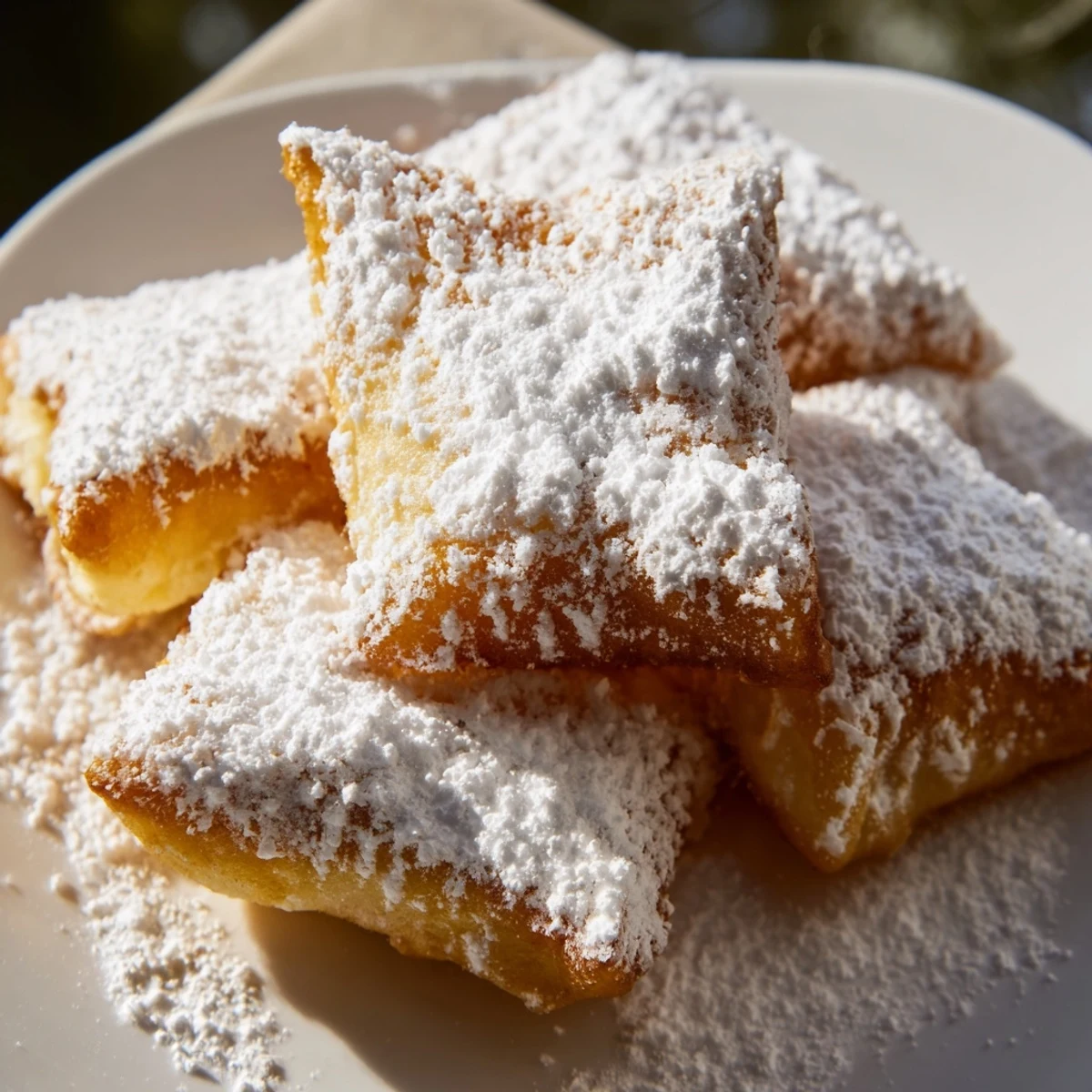
 Mardi Gras beignets are iconic New Orleans pastries made from a simple yeasted dough that's fried until puffed and golden, then generously dusted with powdered sugar. This classic preparation yields 24 pillowy squares with a crispy exterior and soft, airy interior. The dough requires about 1.5 hours of rising time before frying at 350°F until golden brown on both sides. Serve immediately while warm for optimal texture and enjoy with café au lait for an authentic experience.
The scent of vanilla and sugar wafting through my kitchen always transports me to that rainy afternoon in New Orleans years ago. Huddled in Café du Monde, I watched in fascination as pillowy squares of dough transformed in bubbling oil before being blanketed in powdered sugar that dusted everything in sight. When I returned home, recreating those magical beignets became my mission - equal parts science and soulful memory.
Last Mardi Gras, I pulled a batch of these golden pillows from the oil just as friends arrived, their cheeks still flushed from the February chill. The kitchen windows had fogged completely, creating this warm sanctuary filled with laughter and sugar dust that somehow ended up on everyones nose. Someone started humming jazz, and suddenly we were having our own little piece of New Orleans right in my suburban kitchen.
Ingredients
- Active Dry Yeast: Consider this the magic that brings your beignets to life, creating those distinctive air pockets that make each bite irresistibly light.
- Warm Milk: The temperature matters tremendously here, around 110°F activates the yeast perfectly without killing it, something I learned after several flat, disappointing batches.
- All-Purpose Flour: The backbone of our beignets that provides structure while still allowing for that pillowy texture weve come to crave.
- Unsalted Butter: Adds richness and that melt-in-your-mouth quality that distinguishes homemade beignets from ordinary fried dough.
- Powdered Sugar: Be outrageously generous here, the thick blanket of sweet snow is signature and creates that perfect sweet-to-dough ratio.
Instructions
- Wake Up Your Yeast:
- Mix warm milk, yeast, and a tablespoon of sugar in a small bowl, then watch for the magic to happen. When it gets foamy after about 5 minutes, youll know your yeast is alive and ready to work its magic.
- Create Your Flavor Base:
- Whisk together the remaining sugar, eggs, melted butter, salt, and that precious drop of vanilla in a large bowl. This aromatic mixture is what gives our beignets their distinctive taste beyond just sweet fried dough.
- Build Your Dough:
- Gradually mix in flour until a sticky dough forms, then transfer to a lightly floured surface. Work the dough with your hands for about 5-7 minutes, feeling it transform from shaggy to silky smooth under your fingers.
- First Rise:
- Place your dough ball in a greased bowl and cover it with a clean kitchen towel. Let it rest in the warmest spot in your kitchen until it doubles in size, about 1-1.5 hours, perfect timing to clean up and prepare your frying station.
- Shape Your Beignets:
- Punch down the risen dough to release air bubbles, then roll it out to 1/2-inch thickness on a floured surface. Cut into 2-inch squares, watching them become the canvas for your New Orleans masterpiece.
- The Sizzle:
- Heat your oil to exactly 350°F - too cool and theyll be greasy, too hot and theyll burn before cooking through. Watch as the squares sink then dance back to the surface, puffing dramatically as they turn golden brown.
- Golden Perfection:
- Flip each beignet once during frying, giving them about 1-2 minutes per side until they reach a deep honey color. The transformation from plain dough to puffed golden pillows still feels like kitchen magic every time.
- Drain & Dust:
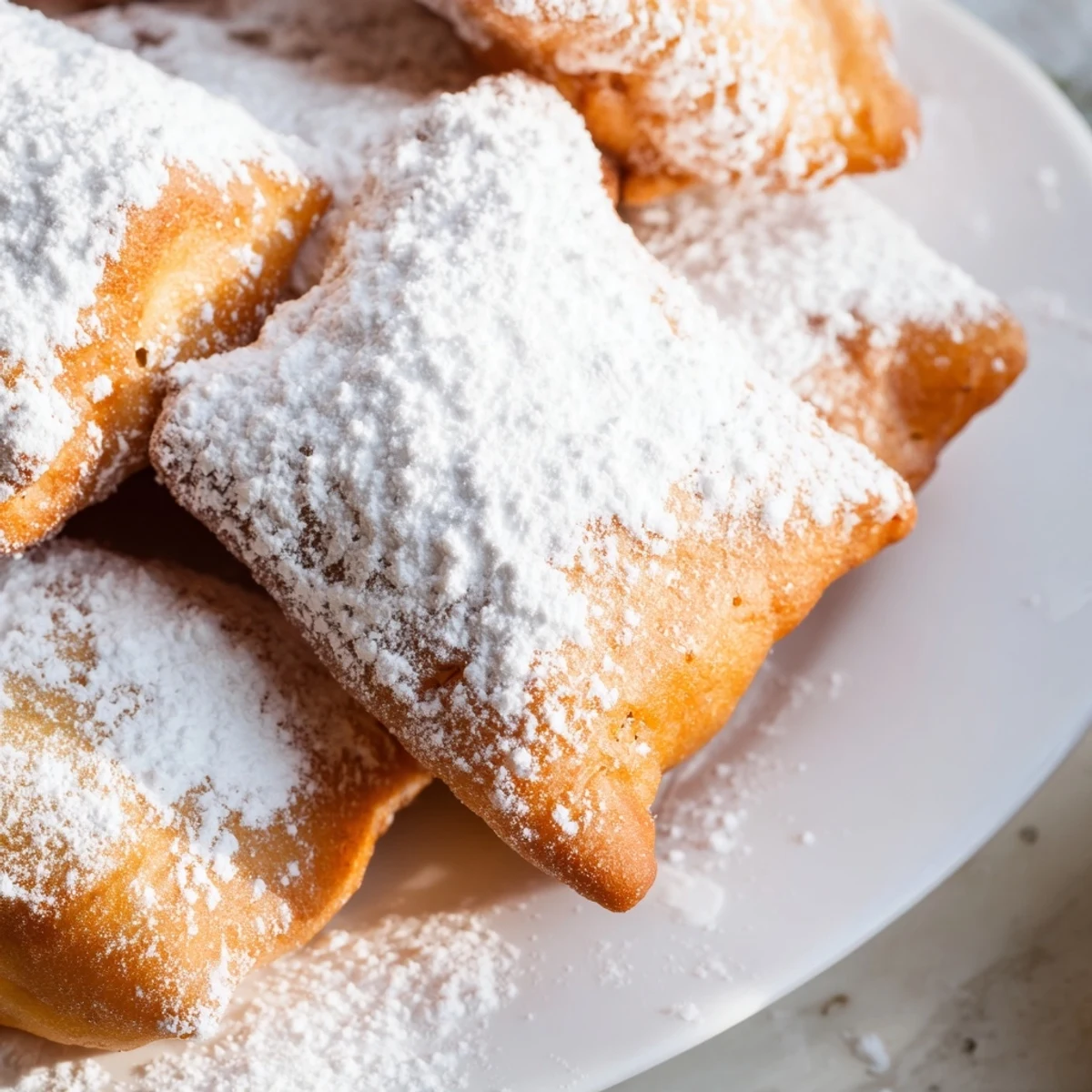
- Remove the beignets with a slotted spoon and let them drain briefly on paper towels. While still hot, shower them with an absolutely obscene amount of powdered sugar - more than seems reasonable is usually just right.
 Save to Pinterest
 My neighbor Lisa knocked on my door one Sunday morning following the unmistakable scent of fresh beignets. She had just received difficult family news and was wandering the neighborhood in a daze. We sat in comfortable silence, drinking strong coffee and eating sugar-dusted beignets, leaving fingerprints on mugs and creating a small mountain of crumpled napkins. No words needed, just the comfort of something warm and sweet when the world felt cold.
The Perfect Pairing
Theres something absolutely transformative about pairing these sugar-dusted clouds with strong, chicory-laced coffee or café au lait. The bitter coffee cuts through the sweetness while complementing the subtle vanilla notes in the dough. Sometimes Ill brew mine extra strong, almost espresso-like, and watch as people instinctively dunk the corner of their beignet, creating that perfect bite where coffee-soaked dough meets dry powdered sugar.
Make-Ahead Options
Ive discovered through many early-morning beignet emergencies that you can prepare the dough the night before and let it rise slowly in the refrigerator. The cold environment slows the yeast activity without stopping it completely, and I swear the extra time develops an even more complex flavor. Just remove the dough about 30 minutes before rolling out to let it warm slightly, making it easier to handle and ensuring those perfect little pillows of fried happiness.
Troubleshooting Your Beignets
Even after dozens of batches, I still occasionally face beignet challenges that remind me cooking is always part science, part intuition. If your beignets arent puffing properly, your oil might be too hot, causing the outside to set before the inside can expand, or your dough might have been overworked, developing too much gluten that restricts those magical air pockets.
- If your beignets are coming out dense or heavy, try cutting back on your kneading time and ensure your yeast is properly activated before adding to your mix.
- For beignets that are browning too quickly on the outside while staying doughy inside, lower your oil temperature by about 25 degrees and give them a bit more time to cook through.
- When storing leftovers, avoid covered containers which trap moisture and make the powdered sugar dissolve, instead loosely wrap them in paper towels inside an open paper bag.
 Save to Pinterest
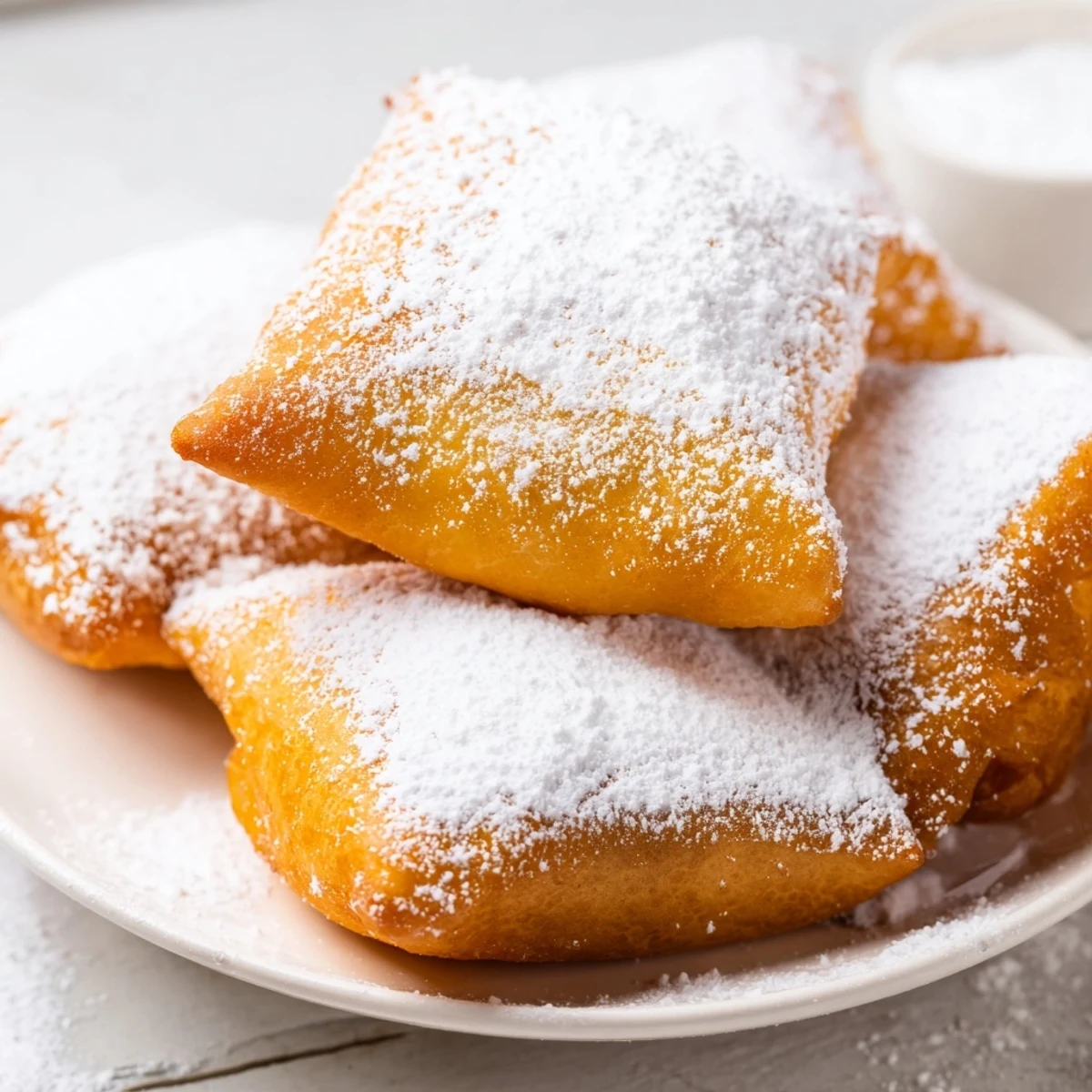
 Theres a certain magic in watching someones face light up with their first bite of homemade beignet, that moment when powdered sugar inevitably puffs into the air like delicious little clouds. Its that simple joy that makes all the effort worthwhile.
Recipe FAQs
- → How long does the dough need to rise?
-
The dough should rise in a warm, covered spot until it doubles in size, typically 1 to 1.5 hours depending on room temperature.
- → What's the ideal oil temperature for frying?
-
Heat the oil to 350°F (175°C) for the perfect balance. This temperature allows the beignets to puff up and become golden without absorbing excess oil.
- → Can I prepare the dough ahead of time?
-
Yes, you can refrigerate the prepared dough for up to 8 hours before rolling and frying. Let it come to room temperature before cutting and frying.
- → How do I prevent beignets from becoming greasy?
-
Maintain consistent oil temperature at 350°F, avoid overcrowding the pot, and drain thoroughly on paper towels immediately after frying.
- → What's the best way to serve these?
-
Serve warm and immediately after dusting with powdered sugar. Pair with strong coffee or café au lait for an authentic New Orleans experience.
- → Can I add flavor variations to the dough?
-
Absolutely. Try adding a pinch of nutmeg, lemon zest, or almond extract to the dough for subtle flavor variations while maintaining the classic texture.