
 Save to Pinterest
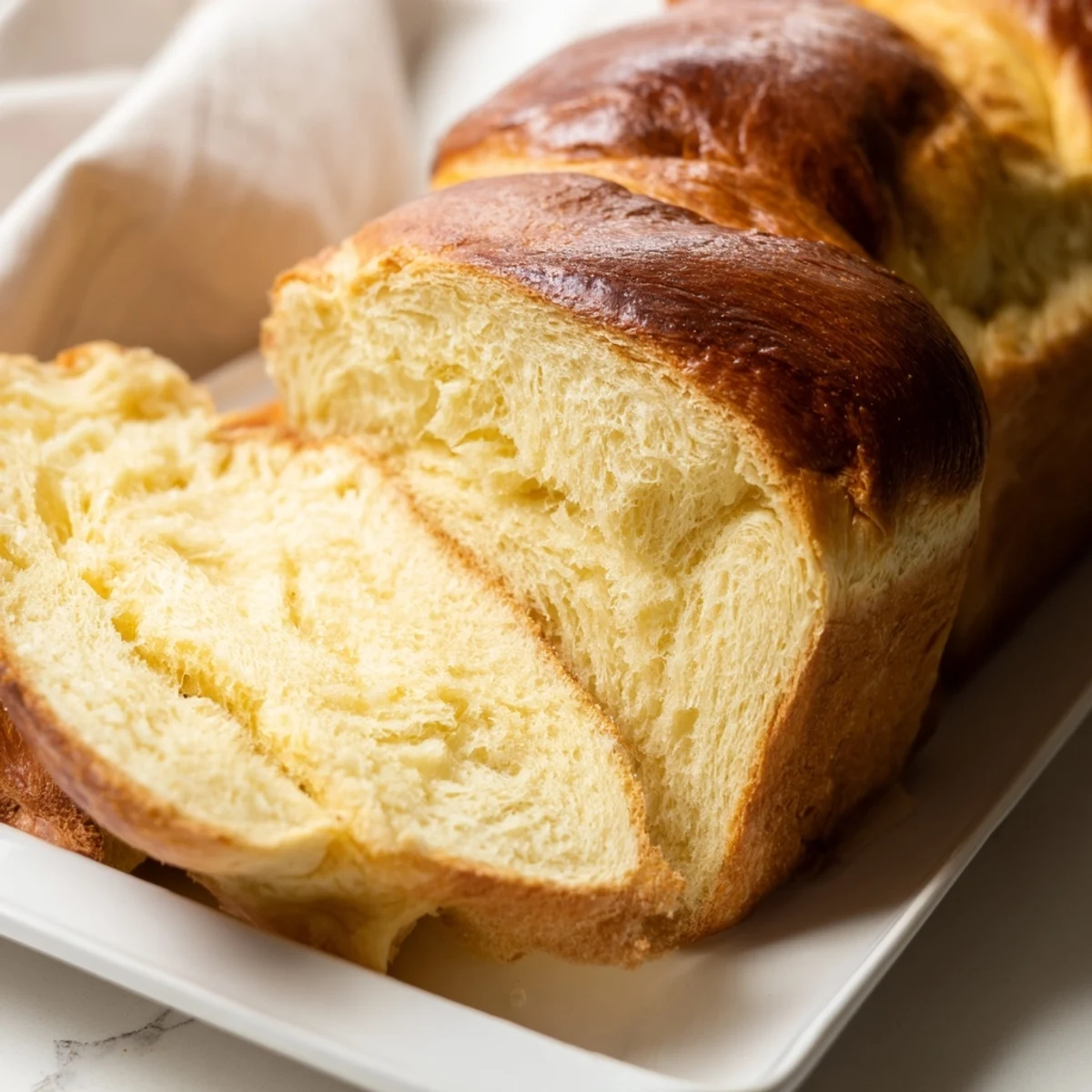
 This French-style milk brioche offers a rich, pillowy texture achieved by combining eggs, softened butter, and lukewarm milk in a well-kneaded dough. The dough rises twice to develop a light crumb before being braided or shaped into a loaf and baked to a golden finish. Its tender crumb and buttery flavor make it perfect for breakfast or a satisfying snack. Variations include adding orange zest or chocolate chips, and it can be toasted or enjoyed fresh.
My first attempt at brioche ended up as a dense, buttery brick that I insisted on eating anyway. The apartment smelled like a French bakery, which somehow felt like victory enough. Three years and countless loaves later, I finally understand that patience matters more than perfection. This version has become my Sunday morning ritual, the one that makes neighbors knock on my door wondering what's baking.
Last winter, my sister visited during a snowstorm and we made brioche together while drinking wine. She confessed she'd been intimidated by yeast recipes for years, but watching the dough come together made her realize bread baking is mostly about showing up. We ate the still-warm loaf with salted butter, standing at the counter, while snow piled up outside the window. Now she texts me photos every time she braids her own loaf.
Ingredients
- 500 g all-purpose flour: Bread flour works too, but I love how all-purpose keeps the crumb tender and delicate
- 60 g granulated sugar: This subtle sweetness helps the crust caramelize beautifully without making the bread taste like dessert
- 10 g instant yeast: Instant yeast skips the proofing step and has never failed me in this recipe
- 8 g fine sea salt: Dont skip this, it balances all that butter and makes the flavors sing
- 4 large eggs, room temperature: Cold eggs can shock the dough, so pull them out an hour before baking
- 120 ml whole milk, lukewarm: The milk creates that signature soft texture that makes brioche so special
- 150 g unsalted butter, softened, cut into cubes: Adding butter gradually is the secret to that glossy, elastic dough that practically glows
- 1 egg yolk and 1 tbsp whole milk for egg wash: This gives your loaf that professional bakery shine and golden color
Instructions
- Make the dough base:
- In your stand mixer with the dough hook, combine the flour, sugar, yeast, and salt. Let everything run together for about 30 seconds so the yeast gets evenly distributed.
- Add the wet ingredients:
- Pour in the room temperature eggs and lukewarm milk. Mix on low until you see a shaggy, sticky dough forming. It will look messy, but trust the process.
- Knead until smooth:
- Crank the speed to medium and let the mixer work for 5 minutes. Watch as the rough dough transforms into something smooth and beginning to feel elastic.
- Incorporate the butter gradually:
- Add the softened butter cubes a few at a time, letting each batch disappear before adding more. Continue kneading for about 10 minutes until the dough is glossy, pulls away from the bowl, and passes the windowpane test.
- First rise:
- Shape the dough into a smooth ball, place it in a greased bowl, and cover it. Find a warm spot and let it rise for 1 to 1.5 hours until it has doubled in size.
- Shape your loaf:
- Gently press down the dough and move it to a floured surface. Divide into three equal pieces, roll each into a rope, and braid them together. Place the braid in your buttered 9x5-inch loaf pan.
- Second rise:
- Cover the pan loosely and let it rise for another 45 minutes until puffy and almost doubled. You will know it is ready when you gently press the dough and the indentation slowly springs back.
- Preheat and prepare:
- Heat your oven to 180°C (350°F). Whisk the egg yolk with milk until smooth, then gently brush it over the top of your risen loaf.
- Bake to perfection:
- Bake for 25 to 30 minutes until the top is deep golden brown. A skewer inserted in the center should come out clean, and the loaf should sound hollow when tapped.
- Cool completely:
- Let the brioche rest in the pan for 10 minutes, then turn it out onto a wire rack. Wait until completely cool before slicing, or the tender crumb will compress.
 Save to Pinterest
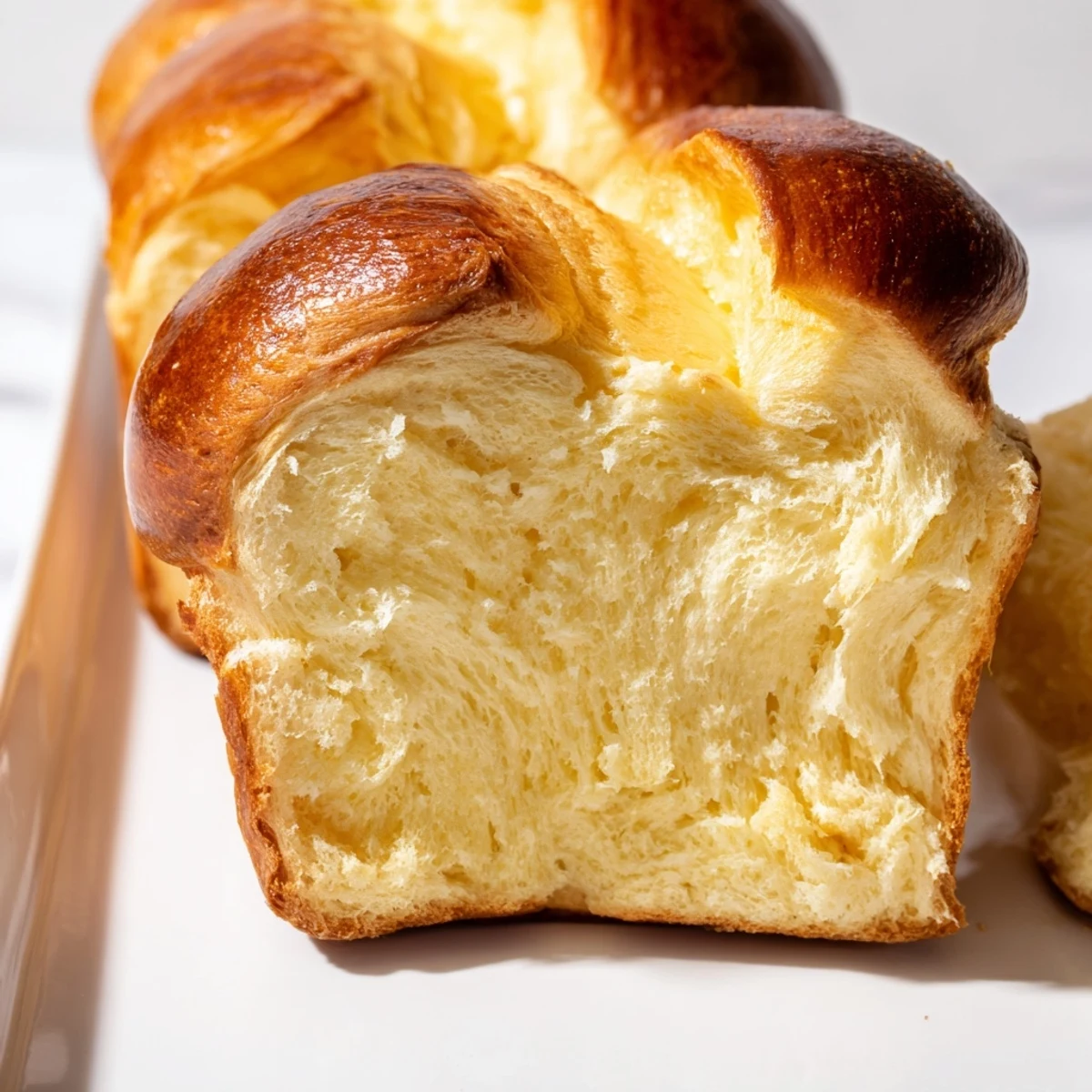
 This brioche became my go-to housewarming gift after I brought a loaf to a new neighbor who had just moved from Paris. She took one bite, eyes closed, and told me it tasted like the bakery she missed from home. Now I keep mini loaves in the freezer, ready for moments when food needs to say welcome home better than words ever could.
Making It Your Own
Half the milk with heavy cream creates an even more luxurious texture, though honestly, the original version hardly needs improvement. Orange zest added during the final kneading makes the most incredible breakfast bread. Chocolate chips folded in after the butter incorporation disappear into the dough and create these molten pockets that my nieces fight over.
Storage Wisdom
Brioche keeps remarkably well compared to other homemade breads, wrapped tightly at room temperature for up to three days. But the real game changer is freezing it sliced. Just grab what you need, pop frozen slices in the toaster, and you have fresh-tasting brioche in minutes. I always make two loaves now, one for immediate devouring and one for the freezer stash.
Serving Ideas
Thick slices make the most luxurious French toast you will ever experience. The brioche soaks up the custard without falling apart and develops this incredible crispy edge. For a quick breakfast, toast it and spread with salted butter and good honey. But my absolute favorite is simply tearing off pieces straight from the loaf, standing in the kitchen, pretending I am not eating half the bread at once.
- Try it as the base for bread pudding, it elevates the classic dessert into something restaurant worthy
- Day old brioche makes the most extraordinary croutons for French onion soup
- Sandwiches on brioche turn ordinary ingredients into something special, especially with egg salad or gruyere and apple
 Save to Pinterest
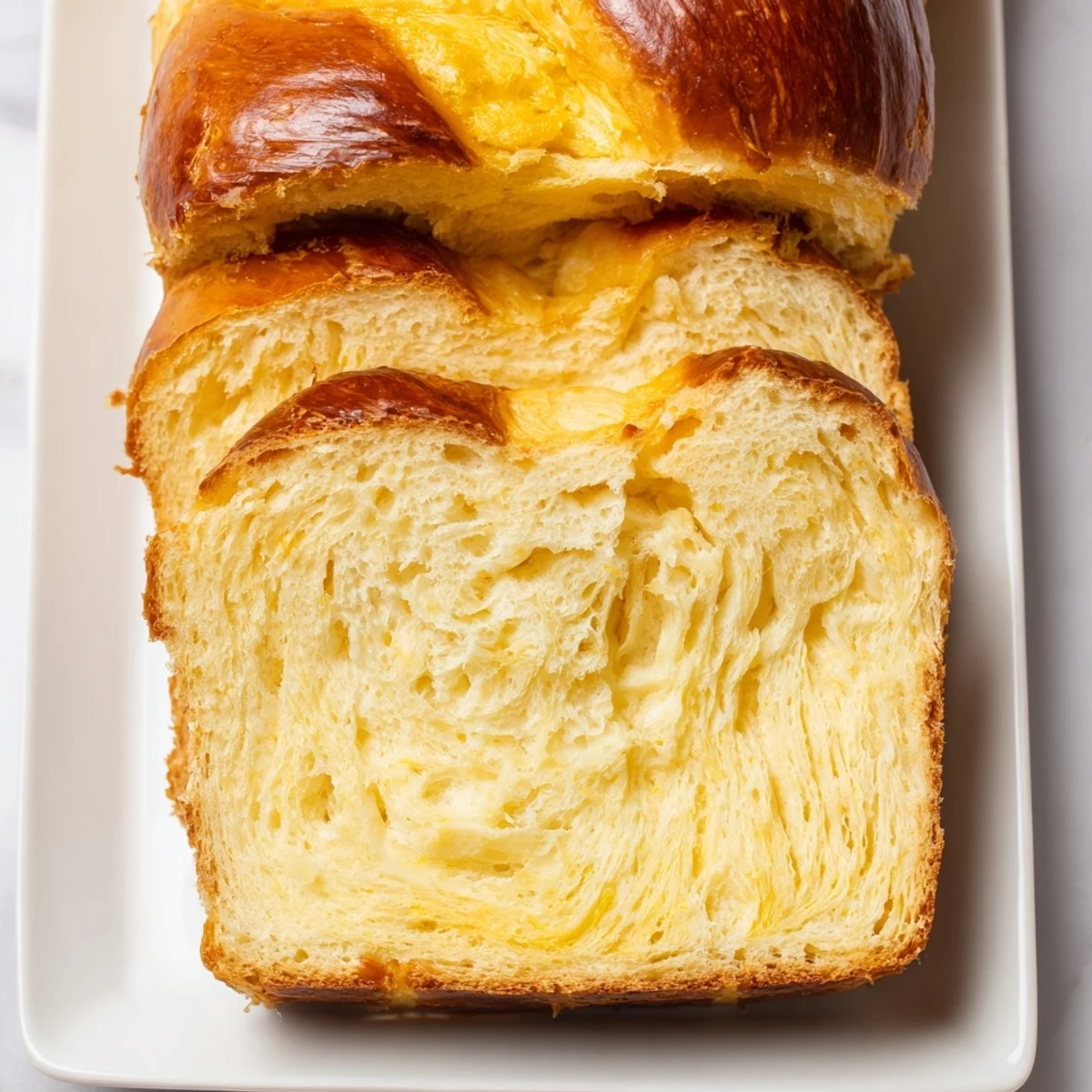
 There is something deeply satisfying about mastering a recipe that seemed intimidating at first. This brioche might take time, but the first warm bite, that tender crumb melting in your mouth, makes every minute worth it.
Recipe FAQs
- → What makes brioche soft and tender?
-
The combination of eggs, milk, and a generous amount of butter creates a rich, tender crumb in brioche. Proper kneading and adequate rising time also help achieve softness.
- → Can I substitute milk with another ingredient?
-
Yes, replacing half the milk with heavy cream will add extra richness and a creamier texture to the dough.
- → How should I shape the dough before baking?
-
The dough can be divided and braided into ropes for a classic look, or shaped into a loaf and placed in a buttered pan for a traditional form.
- → What is the purpose of the egg wash on top?
-
Brushing the brioche with an egg yolk mixed with milk before baking gives the crust a shiny, golden brown finish.
- → How long can brioche be stored after baking?
-
Brioche can be frozen sliced in an airtight bag for up to one month, preserving freshness and flavor.