
 Save to Pinterest
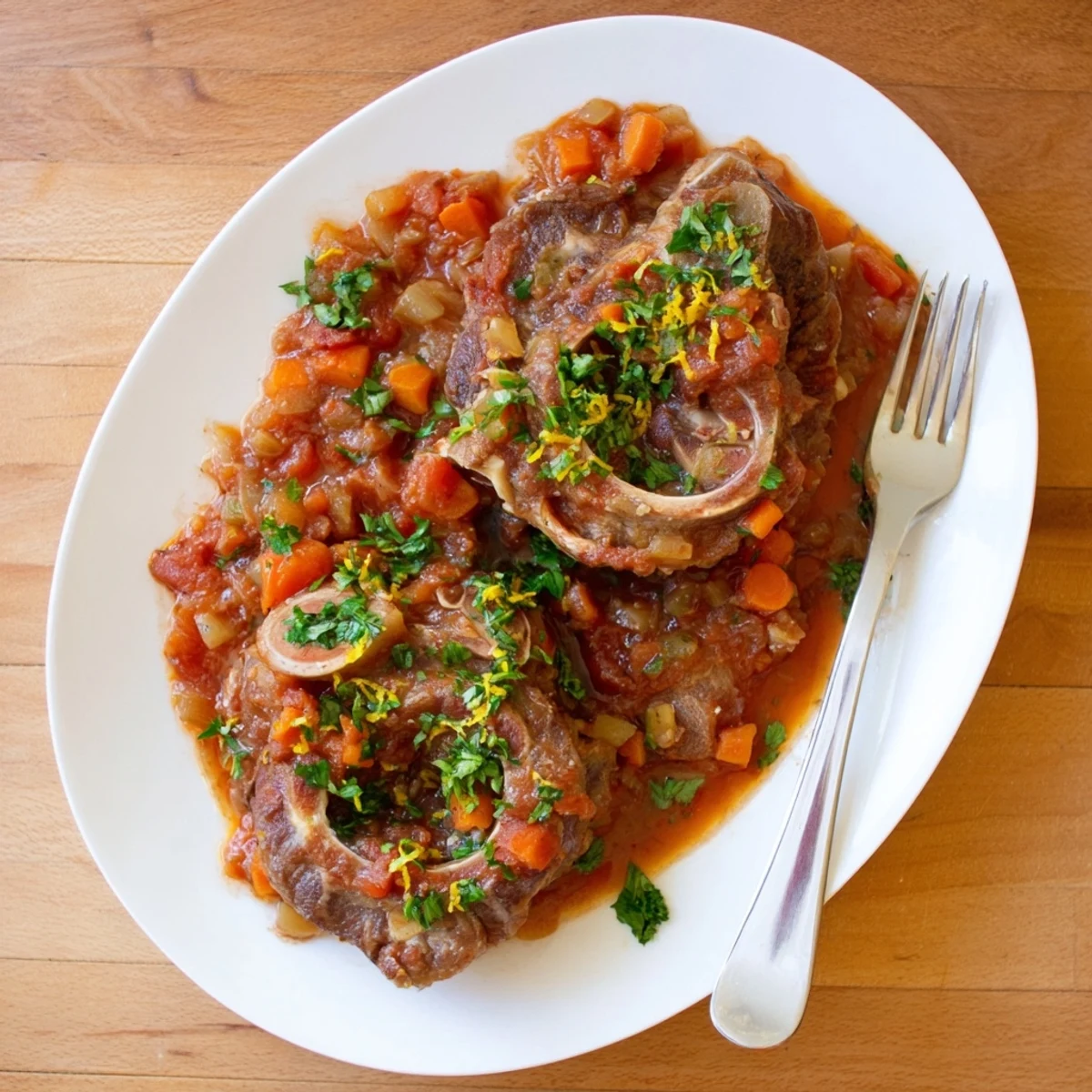
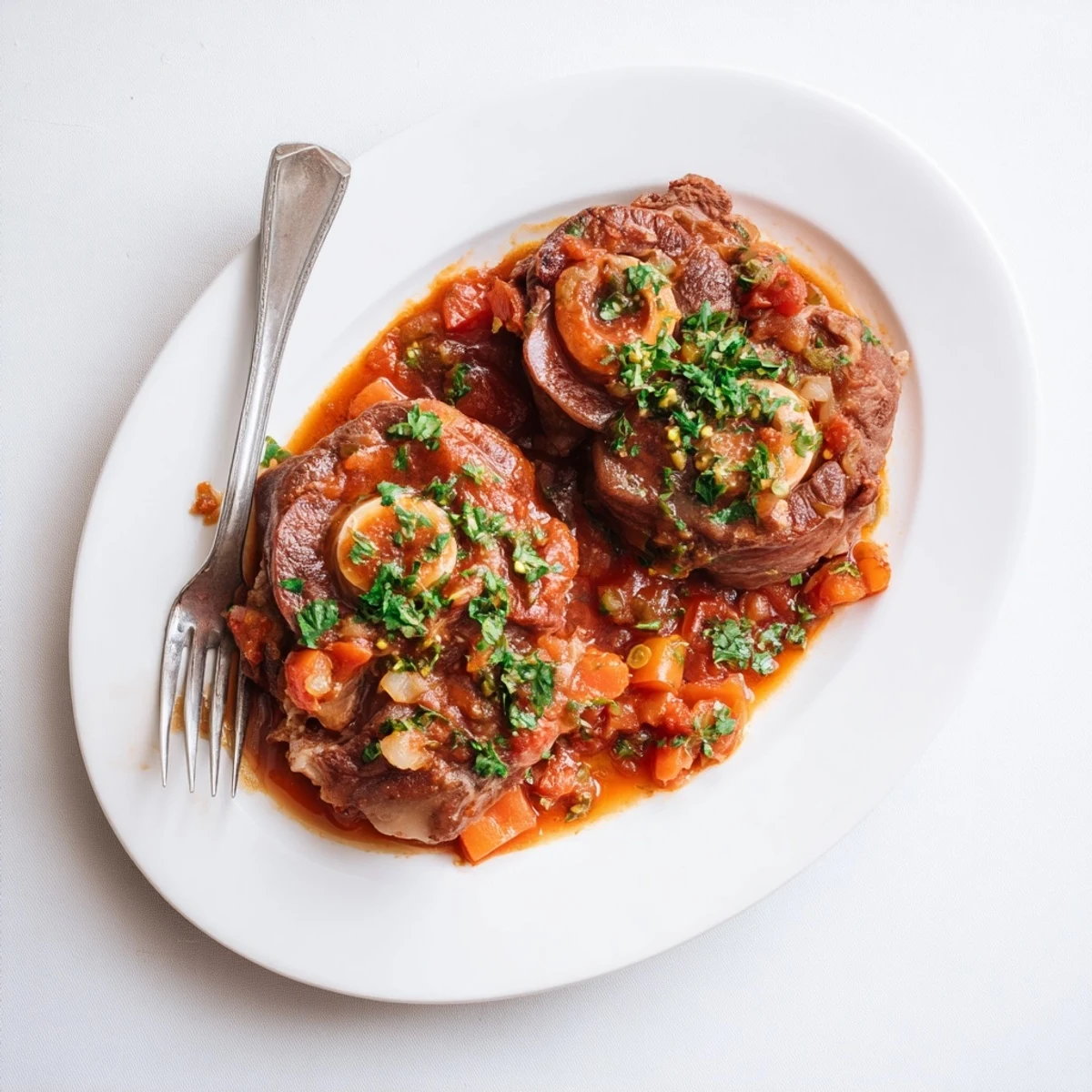
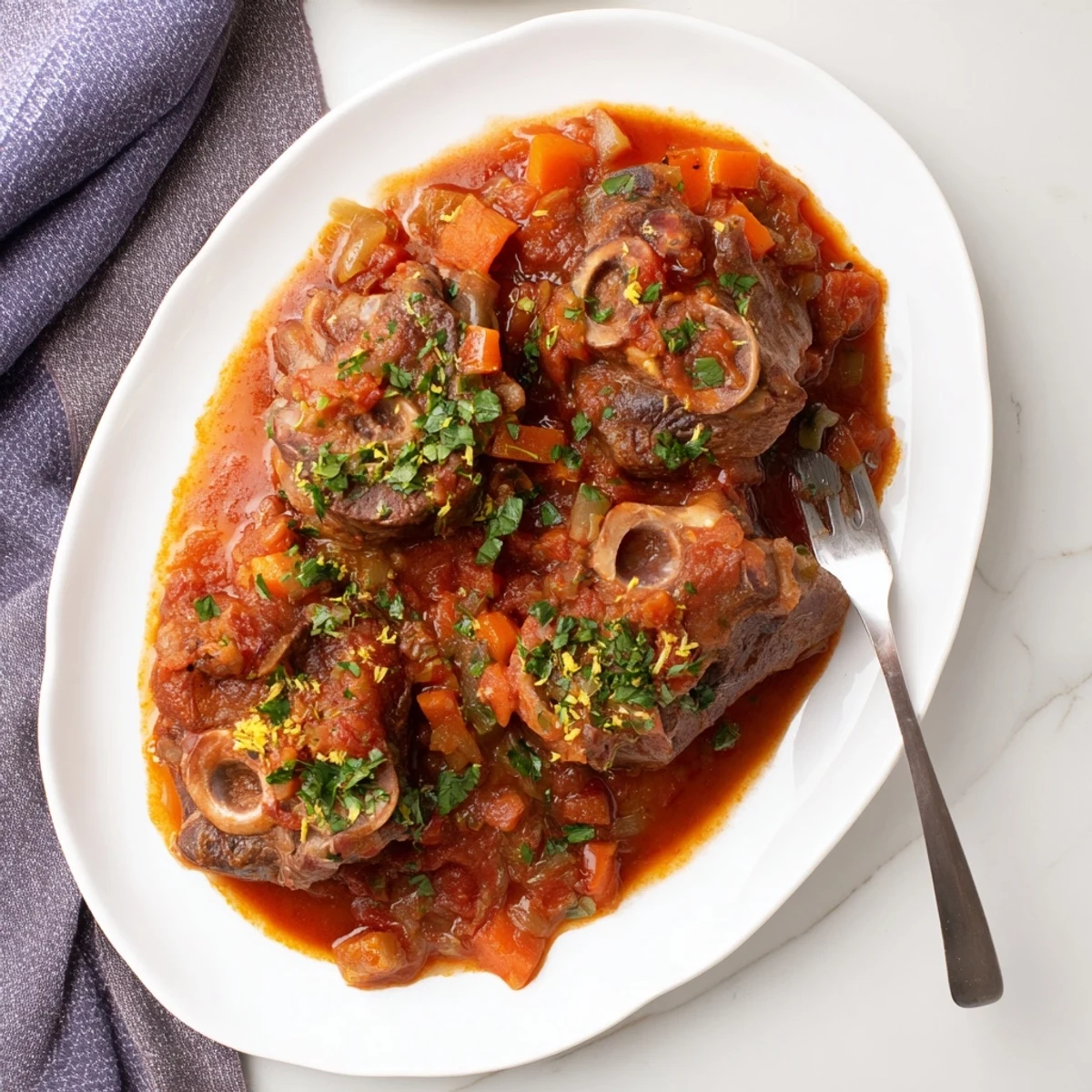
 This traditional Italian dish transforms veal shanks into melt-in-your-tender perfection through slow braising. The meat simmers for over two hours in a robust sauce crafted from white wine, San Marzano tomatoes, and aromatic vegetables including onions, carrots, and celery. Fresh thyme and bay leaves add depth while lemon zest brightens the rich flavors. The result is incredibly tender veal that falls from the bone, coated in a velvety sauce. Serve alongside risotto alla Milanese, creamy polenta, or mashed potatoes to soak up every drop of the flavorful braising liquid.
The first time I made osso buco, I was hosting a dinner party on a rainy Sunday and needed something that would mostly cook itself. I followed Ina's approach and the house filled with this incredible aroma that had my guests peeking into the oven every twenty minutes. When we finally sat down to eat, the meat was falling off the bone in the most spectacular way, and I knew this would become my go-to comfort dish for special occasions forever.
I made this recipe again last winter when my sister came over after a tough week at work. She took one bite and literally closed her eyes, saying this was exactly the kind of food that fixes everything. We sat at the table for hours picking at the remaining shanks and talking about how some dishes just taste better when they're made with patience and love.
Ingredients
- Veal shanks: These are the star of the show and worth seeking out from a good butcher
- All-purpose flour: Helps create a beautiful crust and thickens the sauce slightly as it braises
- Olive oil and butter: The combination gives you that perfect golden brown sear and rich flavor base
- Onion, carrots, and celery: This classic trio builds the aromatic foundation
- White wine: Adds brightness and acidity to balance the rich meat
- San Marzano tomatoes: These are sweeter and less acidic than regular canned tomatoes
- Chicken stock: Use a good quality one since it reduces and concentrates
- Fresh thyme and bay leaves: Herbs that hold up beautifully to long cooking
- Lemon zest: Adds a subtle brightness that cuts through the richness
- Fresh parsley: For serving and bringing life to the final dish
Instructions
- Get your oven ready:
- Preheat to 325°F and position your rack in the center
- Prep the veal:
- Pat the shanks dry with paper towels, then mix flour, salt and pepper in a shallow dish
- Dredge gently:
- Lightly coat each shank in the flour mixture, shaking off any excess
- Sear the meat:
- Heat oil and butter in a large Dutch oven over medium-high heat, then brown shanks on all sides for 3-4 minutes per side
- Set aside:
- Remove the browned shanks and keep them nearby on a plate
- Build the base:
- Add onion, carrots and celery to the pot, sautéing for about 8 minutes until softened
- Add garlic:
- Stir in the minced garlic and cook for just 1 minute until fragrant
- Deglaze the pot:
- Pour in the white wine and scrape up those delicious browned bits from the bottom
- Simmer briefly:
- Let the wine reduce for 2-3 minutes
- Add the liquids:
- Pour in the crushed tomatoes with their juices and the chicken stock
- Season:
- Stir in the thyme, bay leaves, and lemon zest
- Return to pot:
- Nestle the veal shanks back into the sauce
- Bring to simmer:
- Let everything come up to a gentle bubble
- Braise:
- Cover and transfer to the oven for 2-2.5 hours until fork-tender
- Finish:
- Remove bay leaves, skim excess fat, and sprinkle with fresh parsley before serving
 Save to Pinterest
 Last Christmas Eve, I made a double batch and my father-in-law who claims to never eat veal went back for thirds. He told me later that he'd been missing out on something magical his whole life, which is exactly the kind of compliment that makes all those hours in the kitchen absolutely worth it.
Choosing The Right Veal
I've learned that the thickness of the shanks really matters here. You want them about two inches thick, which gives you enough meat on the bone while still allowing that connective tissue to break down beautifully during the long braise. Thinner shanks can dry out, and thicker ones might take longer than expected to reach that perfect fork-tender stage.
The Wine Question
Don't stress about buying an expensive white wine for this recipe. I use whatever decent drinking wine I have on hand, usually a Pinot Grigio or Sauvignon Blanc. The wine's job here is to add acidity and complexity, not to be the star of the show. Just make sure it's something you'd actually drink, because that flavor will concentrate as it cooks.
Make-Ahead Magic
Osso buco might be one of the best make-ahead dishes I know. I often make it a day ahead and reheat it gently on the stove. The flavors seem to marry and deepen overnight, and the thickened sauce becomes even more luxurious. You can also freeze portions for those nights when you need something incredibly comforting without any effort.
- Let it cool completely before refrigerating
- Reheat over low heat with a splash of water if needed
- The gremolata should always be added fresh right before serving
 Save to Pinterest
 There's something deeply satisfying about a dish that transforms simple ingredients into something extraordinary with nothing but time and patience. This osso buco has become my reminder that good things really do come to those who wait.
Recipe FAQs
- → What cut of meat works best for osso buco?
-
Traditional osso buco uses veal shanks cut about 2 inches thick. The shank's connective tissue breaks down during braising, creating tender, gelatinous meat. Beef shanks make an excellent substitute if veal is unavailable.
- → Why is dredging the meat in flour important?
-
Lightly coating the veal in flour helps create a beautiful golden crust during searing and contributes to sauce thickness. The flour browns in the fat, adding subtle nutty flavor and helping achieve that perfect consistency.
- → Can I make this gluten-free?
-
Absolutely. Simply substitute gluten-free flour blend for the all-purpose flour, or skip the dredging step entirely. The dish remains delicious either way, and the rest of the ingredients are naturally gluten-free.
- → What should I serve with osso buco?
-
Risotto alla Milanese is the classic pairing, with saffron-infused rice complementing the rich meat. Creamy polenta, mashed potatoes, or crusty bread work beautifully too. All soak up that incredible braising sauce.
- → How do I know when the osso buco is done?
-
The veal is ready when it's fork-tender and nearly falling off the bone. This typically takes 2-2.5 hours in the oven. Insert a fork into the meat—if it slides in easily with no resistance, it's perfectly braised.
- → What is gremolata and why add it?
-
Gremolata is a zesty garnish of chopped parsley, minced garlic, and lemon zest. Sprinkled over the finished dish, it brightens the rich flavors and adds fresh aromatic contrast to the deeply savory braised meat.