
 Save to Pinterest
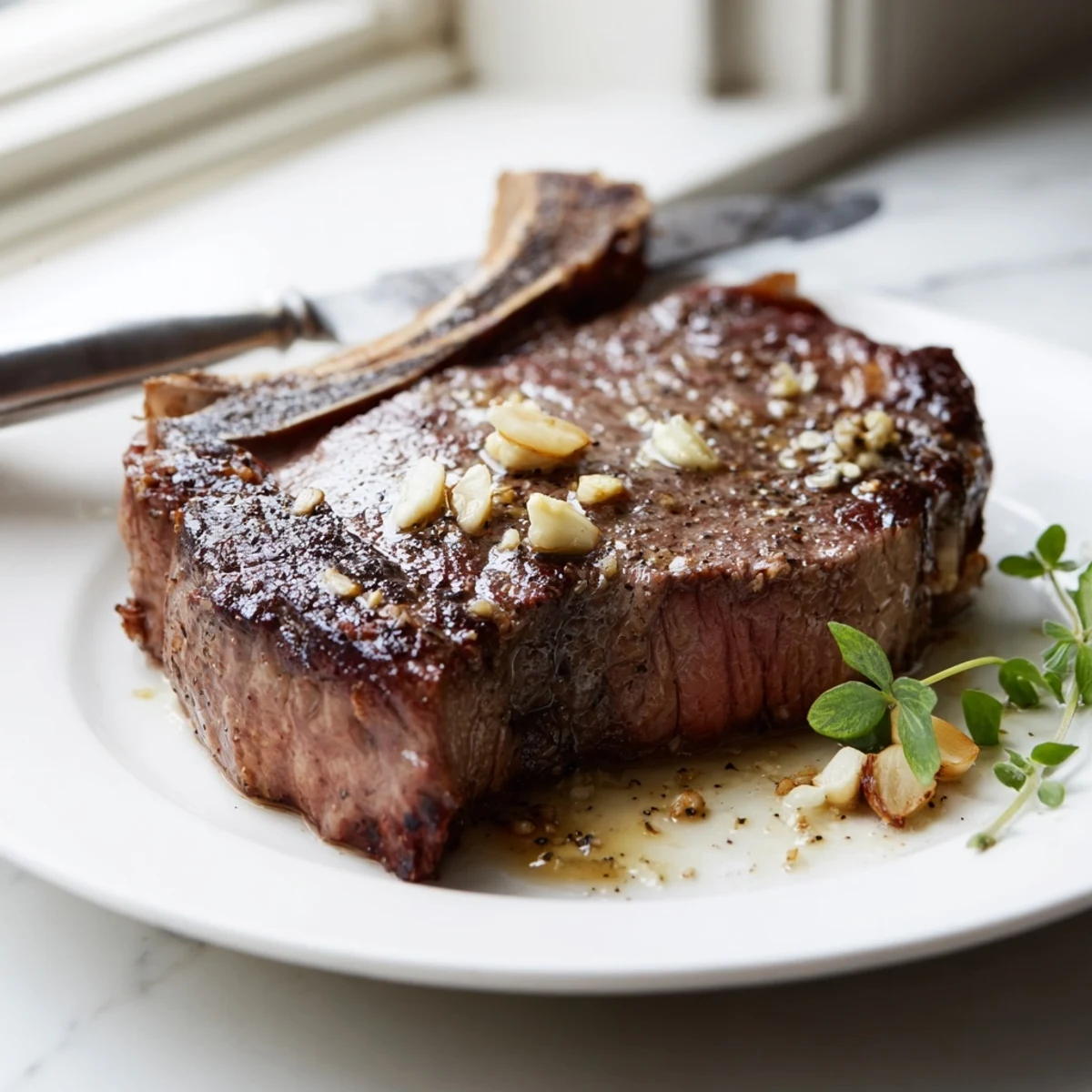
 Master the art of pan-searing ribeye steak with this straightforward technique that delivers professional results every time. The secret lies in achieving high heat for proper caramelization while basting with infused butter to build layers of flavor.
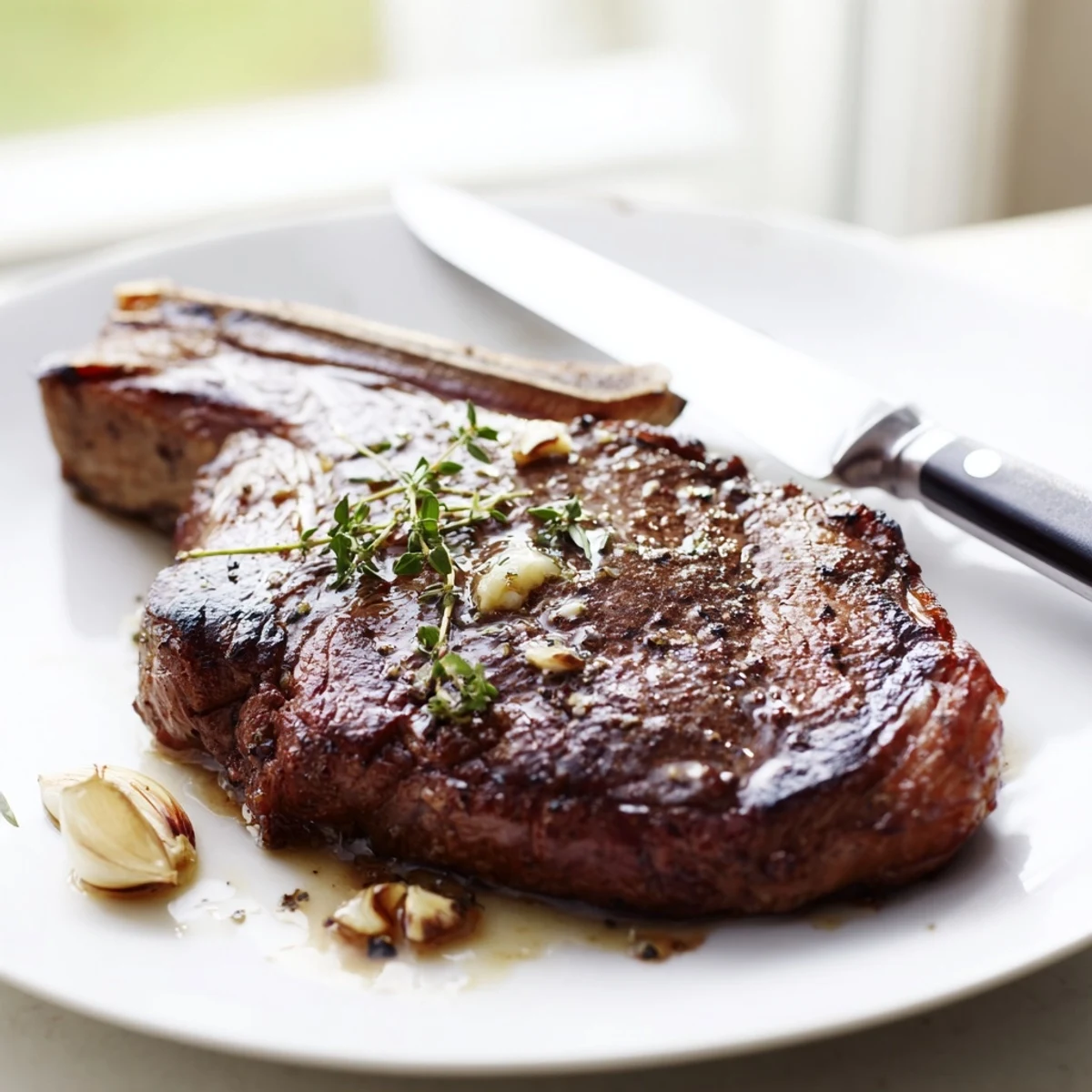
Start by bringing your steaks to room temperature and seasoning generously. Sear in a smoking hot cast-iron skillet to develop that coveted crust, then finish with an aromatic butter bath containing garlic, thyme, and rosemary. The basting technique infuses the meat with herbal notes while ensuring even cooking.
The entire process takes just 20 minutes from start to finish, making it perfect for weeknight dinners or special occasions alike. Letting the meat rest after cooking ensures all those delicious juices redistribute throughout the steak for maximum tenderness.
My college roommate's dad was a steak purist who'd grill ribeyes on their balcony even in January snow. He taught me that great steak needs just two things, patience and high heat. Years later I perfected his indoor method during a tiny apartment phase when I had no outdoor space. Now this skillet version tastes even better than those frozen balcony nights.
I made these for my anniversary dinner during a kitchen renovation phase when my oven was disconnected. We ate them standing up at the counter with paper plates. That meal turned a chaotic situation into one of our favorite memories.
Ingredients
- 2 ribeye steaks: About 1 inch thick with good marbling for maximum tenderness and flavor
- 1 ½ teaspoons kosher salt: Use kosher salt for even seasoning that penetrates the meat
- 1 teaspoon freshly ground black pepper: Freshly cracked pepper adds aromatic complexity
- 2 tablespoons high-heat oil: Canola grapeseed or avocado oil won't burn at searing temperatures
- 3 tablespoons unsalted butter: This creates the rich basting liquid for restaurant style finishing
- 3 cloves garlic smashed: Smashed releases more flavor into the basting butter
- 3 sprigs fresh thyme: Earthy aroma that infuses the butter as it melts
- 2 sprigs fresh rosemary: Piney notes complement the beef beautifully
Instructions
- Prep the steaks properly:
- Remove from refrigerator 30 minutes before cooking and pat thoroughly dry with paper towels
- Season generously:
- Sprinkle salt and pepper on both sides pressing gently to help it adhere
- Heat your pan:
- Warm a large cast iron skillet over high heat until very hot then add oil swirling to coat
- Sear the first side:
- Place steaks in hot pan without moving for 2 to 3 minutes until a deep golden crust forms
- Flip and add aromatics:
- Turn steaks then immediately add butter garlic thyme and rosemary to the pan
- Baste to perfection:
- Tilt skillet and spoon melted butter over steaks for 2 to 3 minutes until desired doneness reached
- Rest before serving:
- Transfer steaks to cutting board and let rest 5 minutes so juices redistribute throughout
 Save to Pinterest
 These steaks became our Friday night tradition through one whole winter. Something about that sizzling butter smell made even the coldest week feel complete.
Getting The Right Doneness
I learned the hard way that touch testing isn't reliable for beginners. A meat thermometer takes the guesswork out completely. Invest in one instant read model and you'll never overcook an expensive cut again.
Pan Choice Matters
Cast iron retains heat beautifully so the temperature recovers quickly after adding cold steaks. Stainless steel works too but you might need slightly more oil to prevent sticking. Nonstick pans can't handle the high temperatures needed for proper searing.
Serving Ideas
Keep sides simple since the steak delivers such big flavor. A crisp green salad with acidic dressing cuts through the richness. Roasted potatoes or creamed spinach make classic pairings. Pour whatever red wine you used to season the pan into glasses for a perfect match.
- Finish with flaky sea salt right before serving for texture contrast
- Add Worcestershire sauce to the butter for extra umami depth
- Slice against the grain when serving to maximize tenderness
 Save to Pinterest
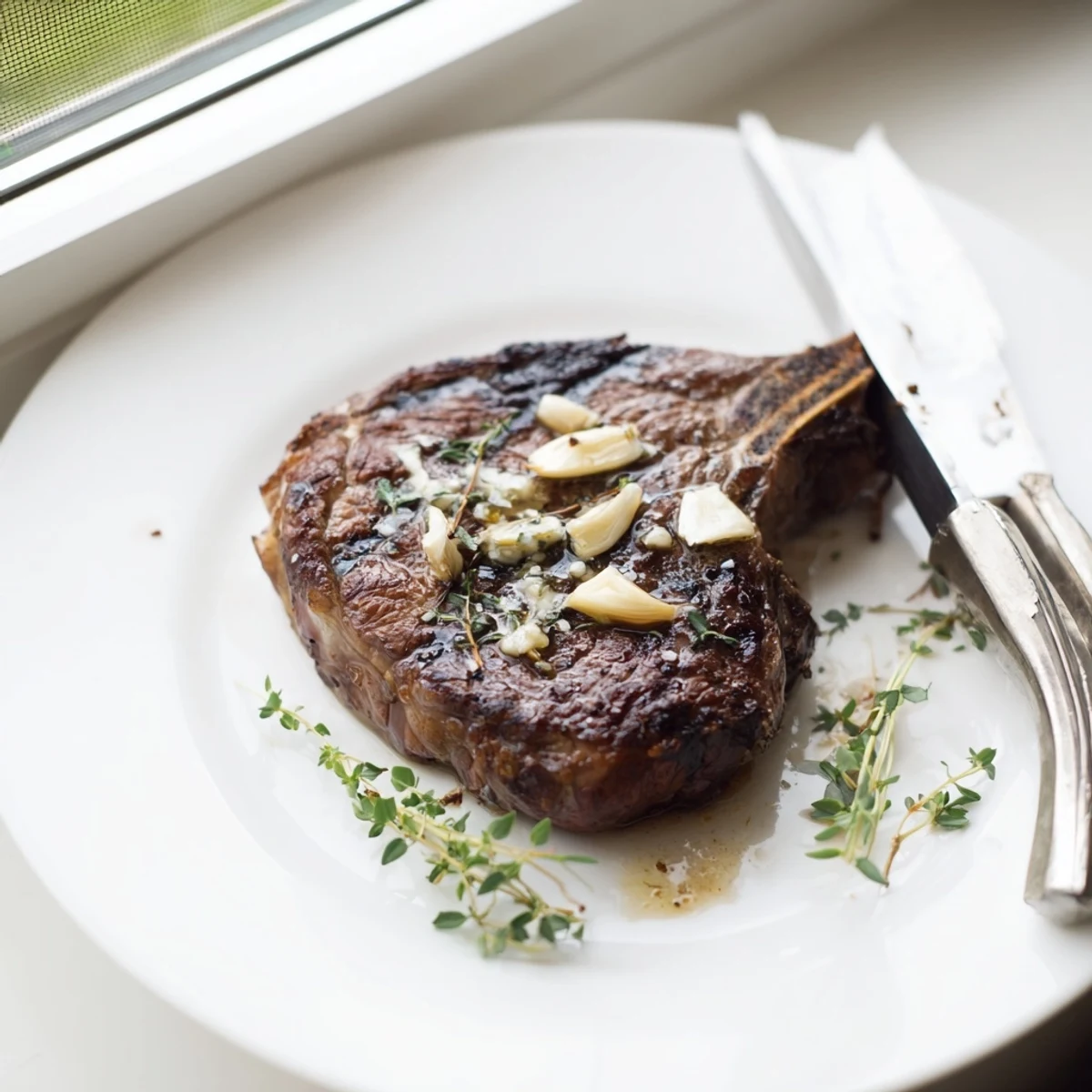
 Good steak turns an ordinary Tuesday into something worth celebrating. Sometimes the simplest meals leave the longest memories.
Recipe FAQs
- → What temperature should I cook ribeye steak to?
-
For optimal results, aim for 125°F-135°F internal temperature for medium-rare to medium. Use a meat thermometer inserted into the thickest part of the steak to ensure accuracy without cutting into the meat.
- → Why do I need to let the steak rest before serving?
-
Resting allows the juices to redistribute throughout the meat rather than spilling out onto the cutting board. A 5-minute rest period ensures your steak remains tender and juicy when sliced.
- → Can I use a different type of pan if I don't have cast iron?
-
While cast iron is ideal for heat retention and even searing, you can use a heavy-bottomed stainless steel skillet. Avoid non-stick pans as they cannot withstand the high heat needed for proper caramelization.
- → What's the purpose of basting during cooking?
-
Basting with melted butter and aromatics infuses the steak with additional flavor while helping to cook the top side. The garlic, thyme, and rosemary release their essential oils into the butter, creating an aromatic finish.
- → How do I know when the skillet is hot enough to start cooking?
-
The pan should be smoking slightly when you add the oil. You can test by flicking a few drops of water into the pan—they should sizzle and evaporate immediately. Preheating properly ensures a good crust forms quickly.
- → Can I make this dairy-free?
-
Yes, simply substitute the butter with your favorite plant-based alternative or additional oil. The searing technique works the same way, though you may want to add extra herbs to compensate for the lost butter flavor.