
 Save to Pinterest
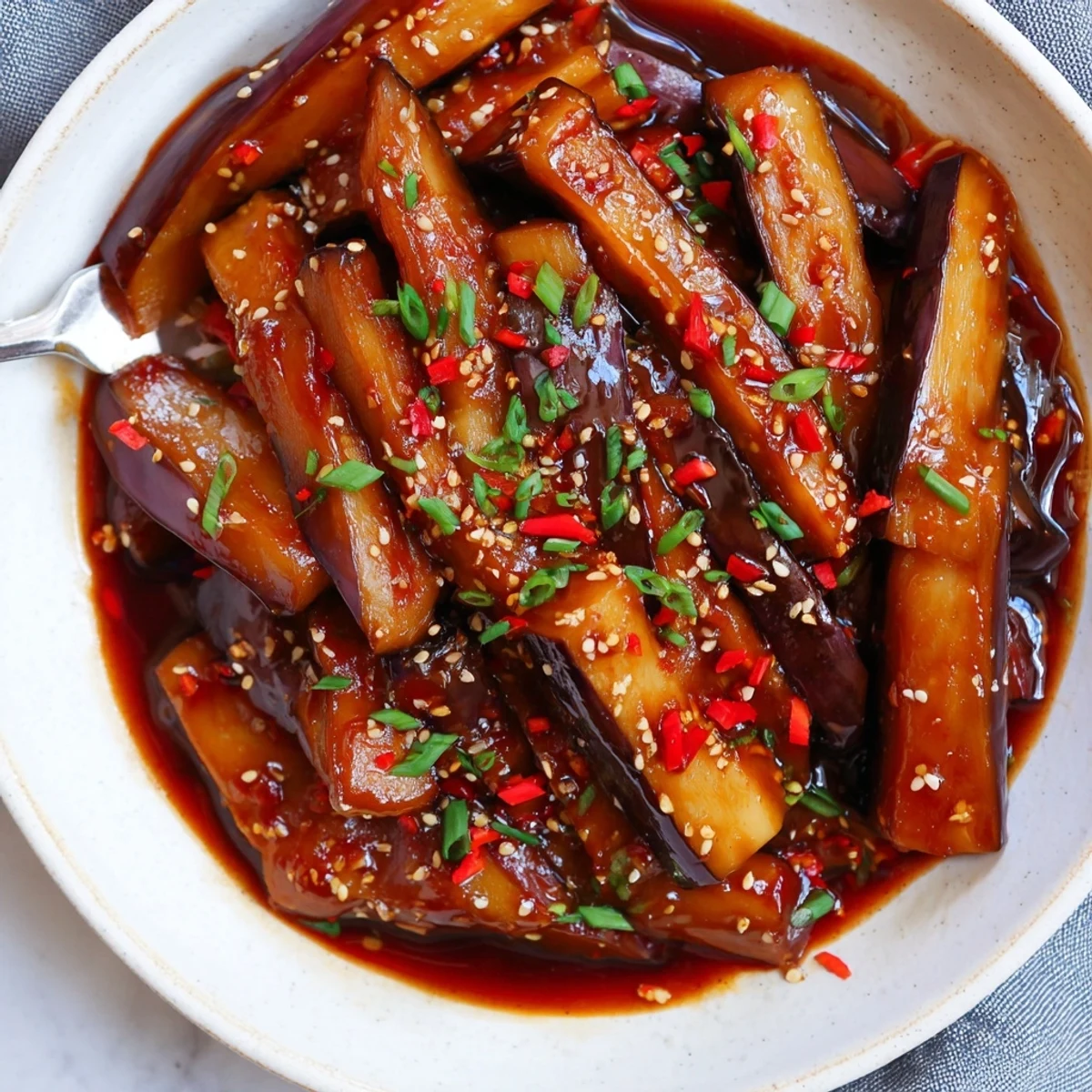
 Salted aubergine batons are pan-fried until golden, then briefly stir-fried with garlic, ginger and doubanjiang to release their aroma. A mix of soy, dark soy and rice vinegar with stock simmers the pieces until meltingly tender (about 8–10 minutes). A cornstarch slurry thickens the sauce; finish with sesame oil and spring onions for a glossy, spicy vegetarian main ready in 40 minutes.
The first time I tried Sichuan-style braised aubergines, I hadn't planned much for dinner, but the heady perfume from my neighbor's kitchen was impossible to ignore. Curiosity—and the distant, mouthwatering scent of sizzling aubergine—had me knocking on their door, only to be ushered in and handed a pair of chopsticks. That taste of silky, spicy eggplant in a fiery red sauce was a revelation. Since then, I've been hooked, eager to chase that memory in my own kitchen.
I still remember the rainy Tuesday when some friends showed up unannounced, soaked and hungry, craving something bold. I threw this together with what I had—improvising, laughing, a splash of rice vinegar adding zing to the room right as someone made an offbeat joke about eggplants being the real king of vegetables. The way we hovered near the stove, sneaking bites, it felt more like a celebration than an ordinary weeknight. Every time I make it now, it calls back that kitchen full of chatter and spicy steam.
Ingredients
- Aubergines (eggplants): Go for ones that feel heavy and smooth—they turn meltingly soft and soak up flavors when braised just right.
- Spring onions: The fresh, sharp bite at the end rounds off all that richness—slice them fine for the best texture.
- Garlic & ginger: These two bring fiery warmth and a backbone of savory flavor; give them a fine mince for maximum punch.
- Fresh red chili (optional): Adds a lively brightness and heat—feel free to leave out or dial up, as you like.
- Doubanjiang: This Sichuan chili bean paste is the secret weapon for smoky, deep umami heat—don’t skip it if you can help it.
- Soy sauce & dark soy sauce: Salty, sweet, and just a bit earthy—balancing both for color and taste took a few tries, but it’s worth nailing.
- Rice vinegar: A dash cuts through richness and wakes everything up; the sharper, the better here.
- Sugar: Just a hint softens the heat and rounds all the edges; I learned not to leave it out.
- Vegetable stock or water: Stock gives extra savoriness, but water works in a pinch; just don’t scrimp on the simmer time.
- Vegetable oil: The aubergines need a generous fry to go golden—use enough to get the edges just crisping.
- Sesame oil: The nutty aroma at the end feels indulgent every time.
- Cornstarch: To thicken the sauce until it glistens and clings to every piece.
- Salt: Essential at the start—use sparingly, as the sauces add plenty later.
Instructions
- Prep the Aubergines:
- Scatter your aubergine batons with salt and let them sweat for ten minutes—it draws out moisture and bitterness, a tip I picked up after my first batch turned a bit too soggy. Rinse and dry thoroughly to help them crisp when frying.
- Golden Fry:
- Heat the oil in your wok until it’s shimmering; drop in the aubergine and watch them sizzle to golden softness, stirring so they color evenly—patience pays off here. Remove them and let any excess oil drain on paper towels.
- Sizzle Aromatics:
- With just a bit of oil left, add ginger, garlic, and chili; the fragrant steam rising will tell you you’re on the right track. Stir-fry a minute until everything smells irresistible.
- Build the Base:
- Stir in the doubanjiang—keep it moving, and watch as the oil reddens and scents deepen, signaling that spicy magic is happening. Don’t rush this part; it’s all about layering flavors.
- Braise the Aubergine:
- Return the fried aubergine, then add both soy sauces, vinegar, sugar, and stock. Gently toss to coat everything—the aubergine should almost sigh as it hits the sauce.
- Simmer to Perfection:
- Cover and let it bubble gently for 8-10 minutes, just enough for the flavors to mingle and the flesh to go meltingly soft. You can sneak a taste around now – it should be robust and tongue-tingling.
- Thicken and Finish:
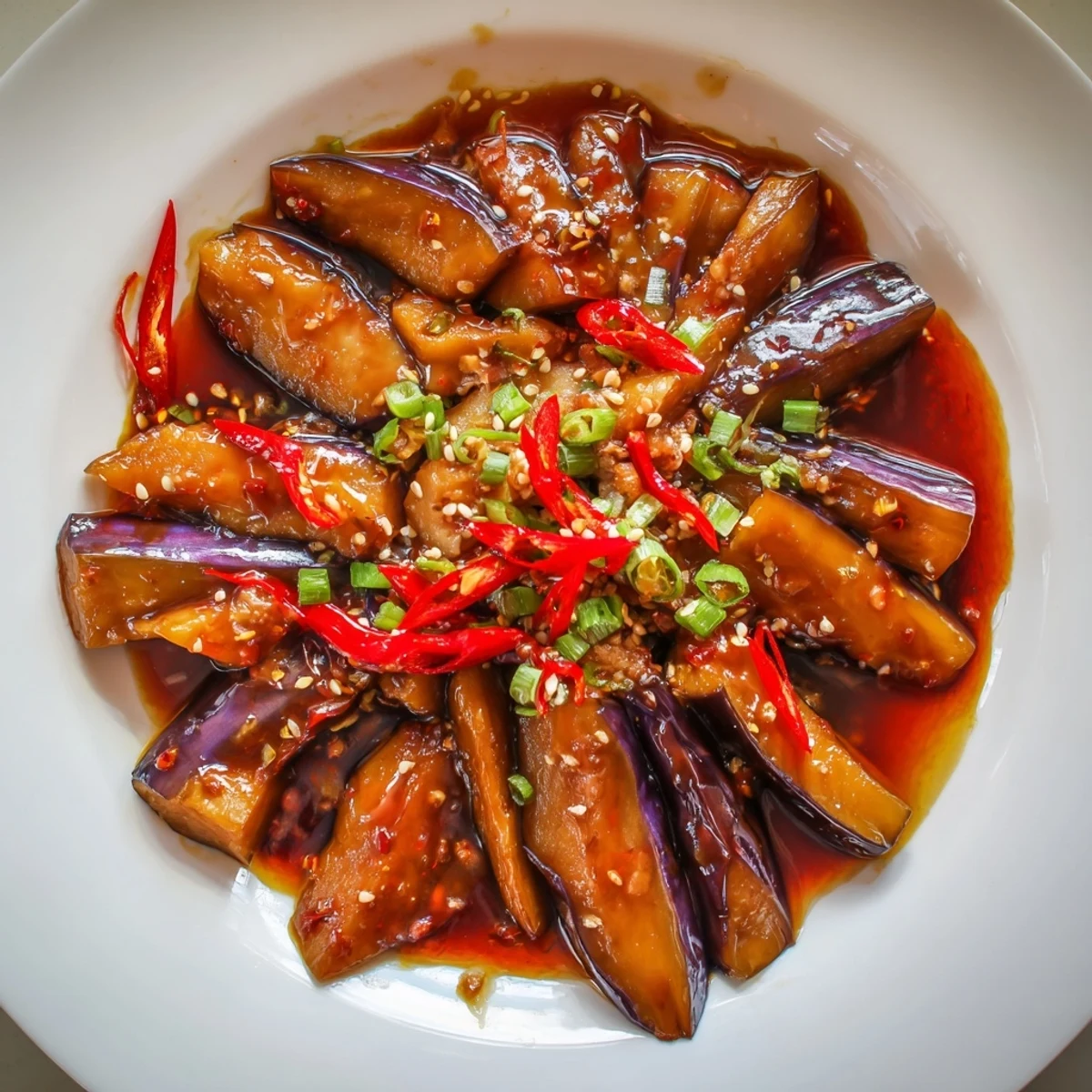
- Mix cornstarch and water into a smooth slurry, then stir that in—the sauce should thicken and turn glossy within seconds. Finish with a swirl of sesame oil for depth, and scatter spring onions on top for a bit of sparkle.
 Save to Pinterest
 There’s a particular evening when my partner walked in after a dreadful day, instantly smiling at the kitchen’s spicy fragrance—without a word, we simply sat and shared this dish over rice, the conversation growing lighter with every bite. It’s evenings like that which remind me what a simple home-cooked meal can do.
Getting the Sauce Just Right
The beauty is in a sauce that’s velvety, not stodgy—resist the urge to overdo the cornstarch, and simmer gently so everything integrates. If you want it extra glossy, use stock instead of water, and keep the flame low once thickening starts.
Playing with the Heat
I love tinkering—sometimes a pinch of crushed Sichuan peppercorns crackling with aroma goes in, or an extra chili if we’re feeling bold. No two batches ever turn out exactly the same, but that’s half the adventure of this dish.
Shortcuts, Extras, and Serving Up
When time’s tight, you can skip salting the aubergines, though the texture will be slightly less silky. If you want crunch, a sprinkle of toasted peanuts at the end is magic, and why not try it alongside noodles for a heartier meal?
- Use long chopsticks for stir-frying to keep your hands safe from splatters.
- Warm your bowl before serving so the silky aubergine stays hot longer.
- Leftovers heat up beautifully—sometimes the flavors deepen overnight.
 Save to Pinterest
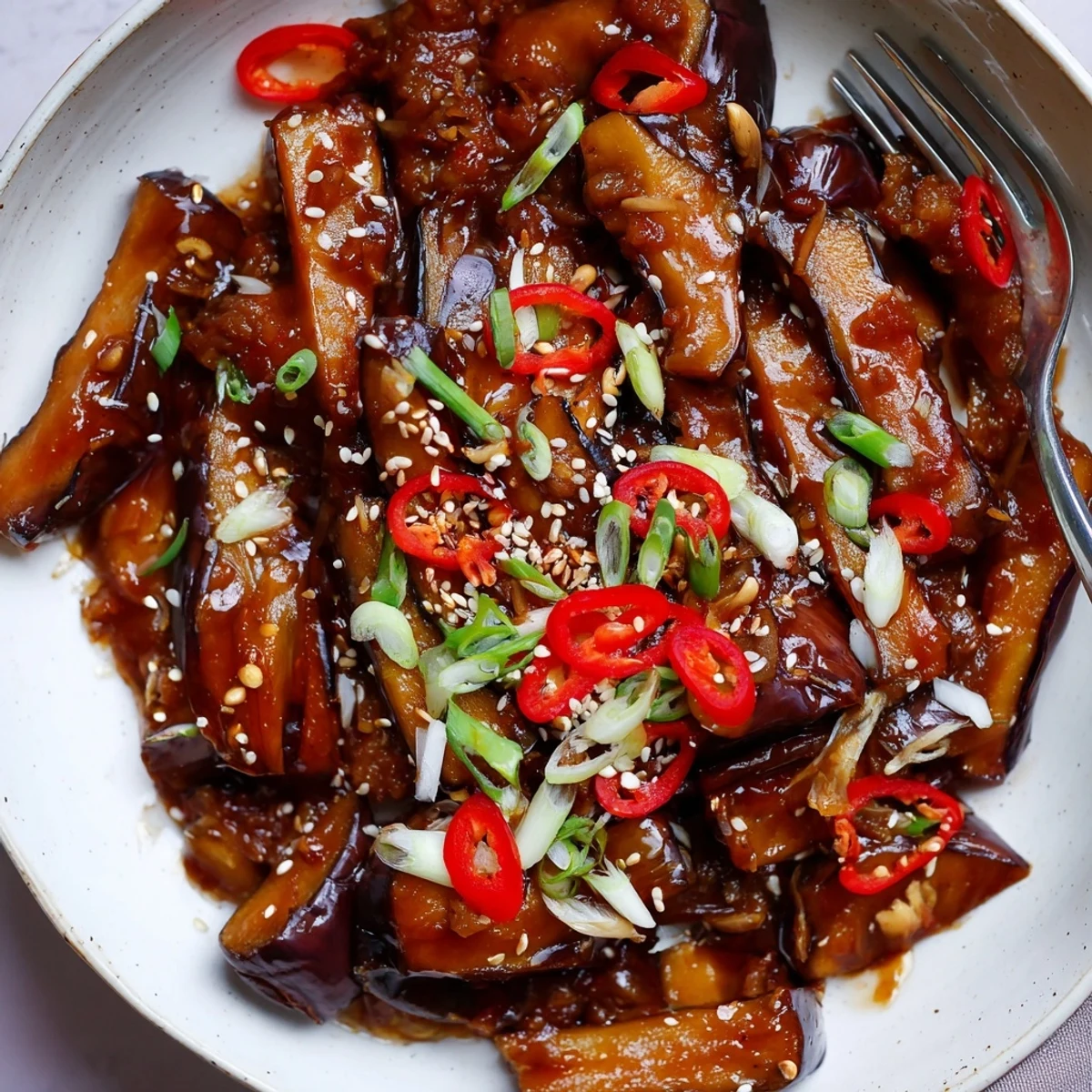
 If there’s any dish that can turn an everyday meal into something memorable, it’s this one. I hope your kitchen fills with laughter, spice, and the scents of Sichuan for whoever’s lucky enough to join you at the table.
Recipe FAQs
- → Why salt the aubergine before cooking?
-
Salting draws out excess moisture and reduces bitterness, helping the aubergine absorb oil and sauce more evenly so pieces turn soft and richly flavored rather than soggy.
- → Can I use a substitute for doubanjiang?
-
Use a chili-garlic sauce or gochujang diluted with a little miso for umami if doubanjiang isn't available; expect a different heat profile but similar depth.
- → How do I prevent the aubergine from absorbing too much oil?
-
Pat aubergine dry after salting, fry in a hot pan in batches so pieces brown quickly, and drain on paper towels. Leaving a little oil in the pan for aromatics also helps control greasiness.
- → How can I add the Sichuan numbing sensation?
-
Toast whole Sichuan peppercorns briefly and crush them, then add with the ginger and garlic during stir-fry to release their citrusy, numbing aroma without overpowering the dish.
- → Is this suitable for gluten-free diets?
-
Replace regular soy sauce and doubanjiang (check labels) with tamari and a certified gluten-free bean paste or omit sauces containing wheat to keep it gluten-free.
- → Best way to store and reheat leftovers?
-
Cool to room temperature, refrigerate in an airtight container for up to 3 days. Reheat gently in a covered pan with a splash of stock to revive the sauce and texture.