
 Save to Pinterest
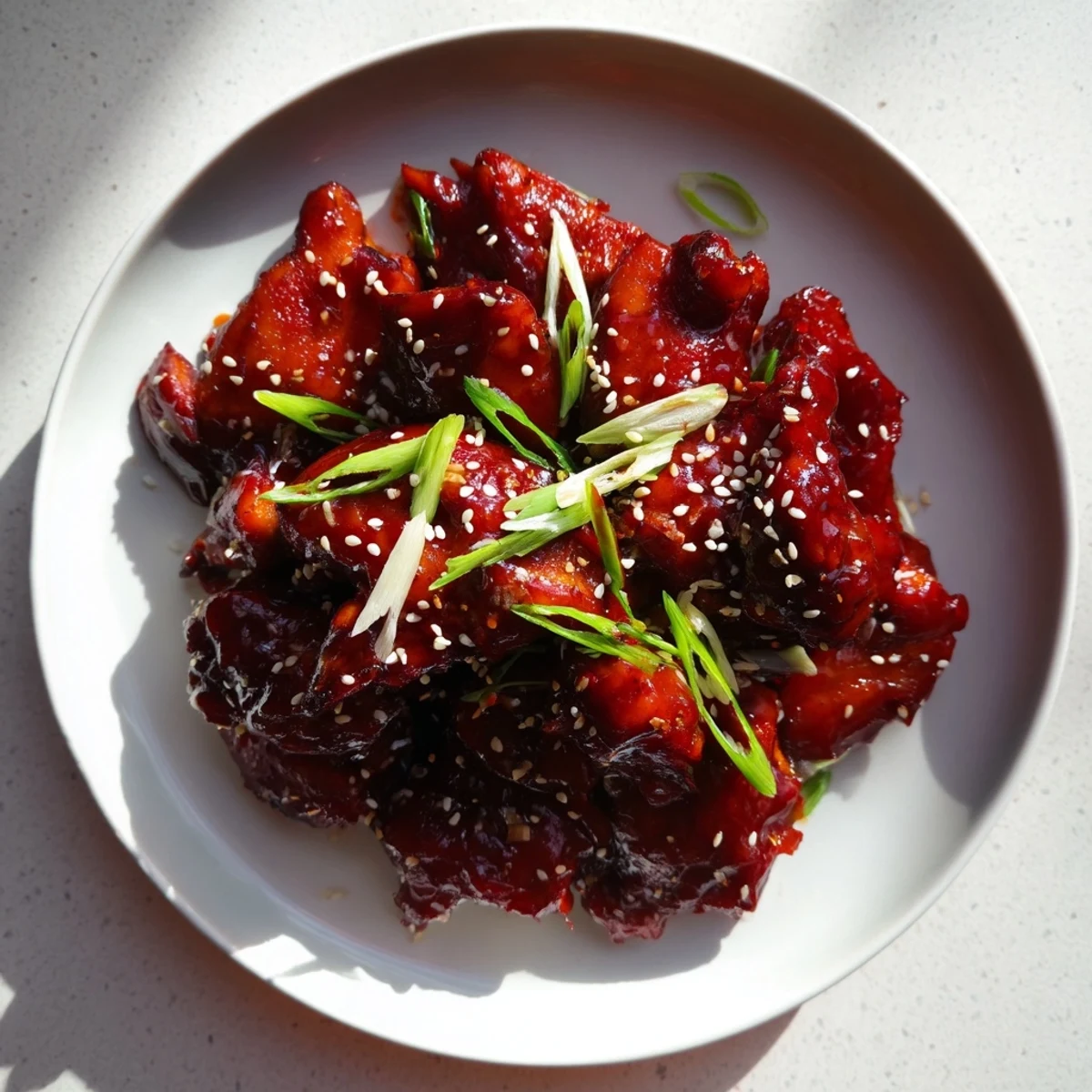
 This vibrant Korean-inspired dish features tender chicken pieces coated in a bold gochujang glaze. The marinade combines Korean chili paste with soy sauce, honey, garlic, ginger, and sesame oil, creating a perfect balance of spicy and sweet flavors.
Ready in just 40 minutes, this dish delivers restaurant-quality results at home. The chicken caramelizes beautifully while cooking, developing sticky edges and rich depth. Serve over steamed rice with sliced green onions and sesame seeds for a complete meal that's both dairy-free and packed with protein.
The red color of gochujang has always reminded me of those Korean restaurant visits where the server would place a sizzling stone bowl on the table, the sauce still bubbling and thickening. I spent years trying to recreate that perfect balance of sweet and heat at home, missing something each time until I stopped following exact measurements and started tasting as I went.
Last winter, when my sister came over complaining about yet another bland takeout experience, I made this for her. She literally stopped talking mid sentence after the first bite, and that is when I knew this recipe was staying in the permanent rotation.
Ingredients
- 1.5 lbs boneless skinless chicken thighs: Thighs stay juicier than breasts through the high heat caramelization process, and cutting them into uniform pieces helps everything cook at the same rate
- 3 tbsp gochujang: This fermented Korean chili paste is the soul of the dish, bringing depth and umami that hot sauce alone cannot achieve
- 2 tbsp soy sauce: Adds saltiness and rounds out the flavor profile while helping balance the sweetness of the honey
- 1 tbsp sesame oil: Toasted sesame oil has this nutty aroma that instantly makes everything smell like a proper Korean kitchen
- 2 tbsp honey: Creates that beautiful glaze and tames the heat just enough so the spice does not overwhelm
- 1 tbsp rice vinegar: Cuts through the richness and adds a subtle brightness that prevents the sauce from feeling too heavy
- 3 cloves garlic minced: Fresh garlic is non negotiable here, it blooms in the heat and adds that aromatic punch
- 1 tbsp fresh ginger grated: I have tried using ginger powder in a pinch, but fresh brings this warmth that makes the whole dish sing
- 1 tbsp brown sugar: Helps the sauce caramelize and develop those gorgeous darkened edges on the chicken
- 1/2 tsp ground black pepper: Just enough background heat to layer with the gochujang without competing with it
- 2 green onions thinly sliced: Adds a fresh crunch and pop of color that cuts through the rich sauce
- 1 tbsp sesame seeds: Toast them briefly in a dry pan for extra nuttiness before sprinkling over the finished dish
Instructions
- Whisk together the sauce base:
- Combine gochujang, soy sauce, sesame oil, honey, rice vinegar, garlic, ginger, brown sugar, and black pepper in a large bowl until the mixture turns into this smooth, glossy red paste that smells like everything good about Korean cooking
- Marinate the chicken:
- Toss the chicken pieces into the bowl and use your hands to massage that sauce into every crevice, then cover and let it sit for at least 15 minutes while you prep everything else
- Get your pan ripping hot:
- Preheat a large skillet or grill pan over medium high heat until a drop of water sizzles and disappears instantly
- Sear the chicken:
- Shake off the excess marinade and lay the chicken in a single layer, letting it develop a dark crust for 5 to 7 minutes before flipping and repeating until cooked through with those caramelized edges
- Reduce and glaze:
- Pour the remaining marinade into the pan, turn the heat to medium, and let it bubble away for 2 to 3 minutes until it thickens into this sticky coating that clings to the chicken
- Finish and serve:
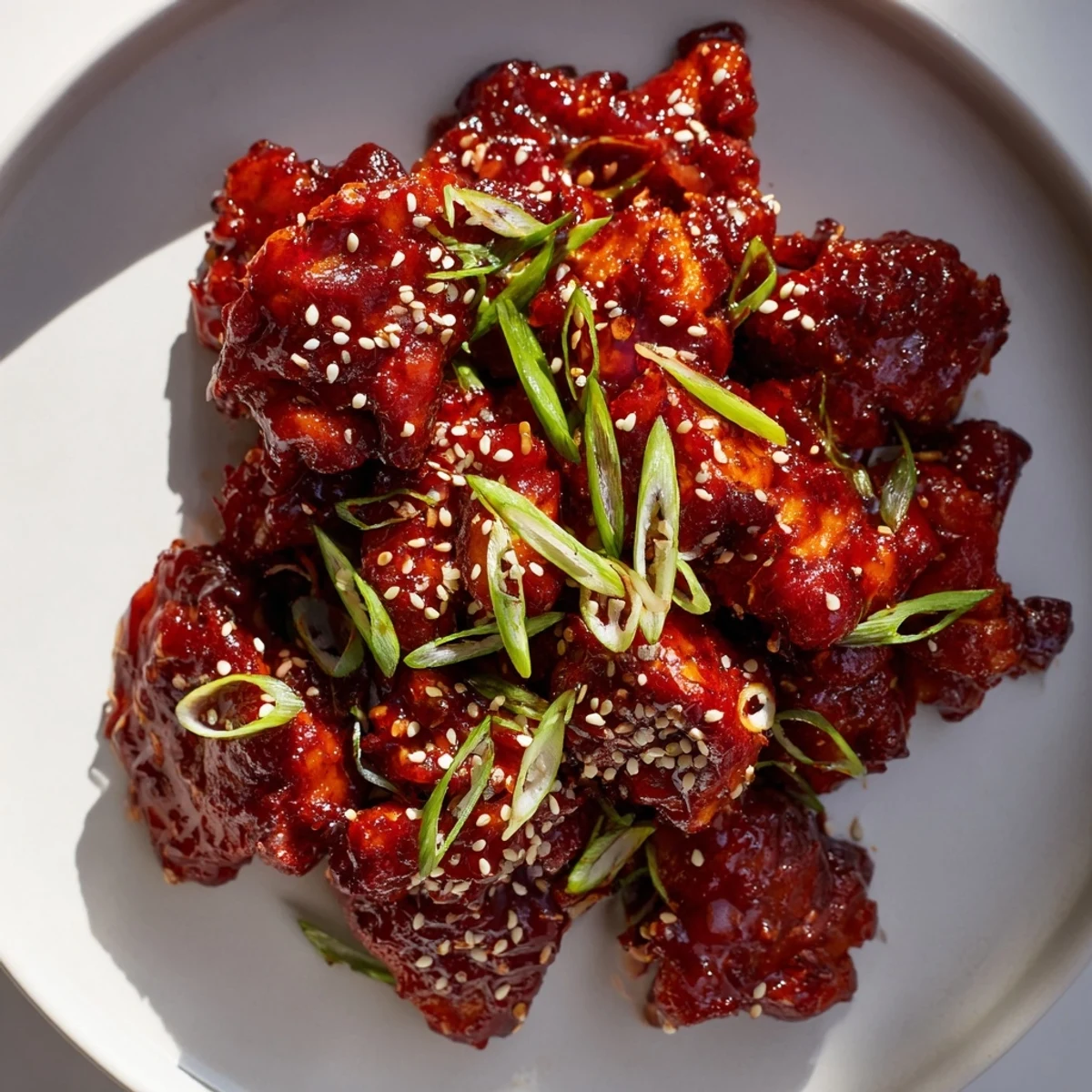
- Transfer everything to a platter and shower with green onions and sesame seeds while it is still hot enough to make the garnish wilt slightly
 Save to Pinterest
 My friend who claims to hate spicy food now requests this monthly, adjusting the honey ratio slightly to her taste. That is the thing about this recipe, it adapts to whoever is eating it while staying recognizably itself.
Making It Your Own
Sometimes I add gochugaru when I want that extra layer of chili heat that sits differently than the gochujang. Other times, a splash of rice wine finds its way into the marinade for a subtle fermented sweetness.
Side Dishes That Work
Steamed rice is obvious but honestly, a quick cucumber salad with rice vinegar dressing cuts through the richness perfectly. Pickled vegetables or even plain steamed broccoli help balance the intensity.
Make Ahead Strategy
The chicken actually develops more flavor when it sits in the marinade for a few hours, so I often prep it in the morning. Just bring it to room temperature before cooking for even results.
- Double the sauce and freeze half for a future meal
- Chicken breasts work but need 2 to 3 minutes less per side
- Leftovers reheat beautifully with a splash of water to loosen the glaze
 Save to Pinterest
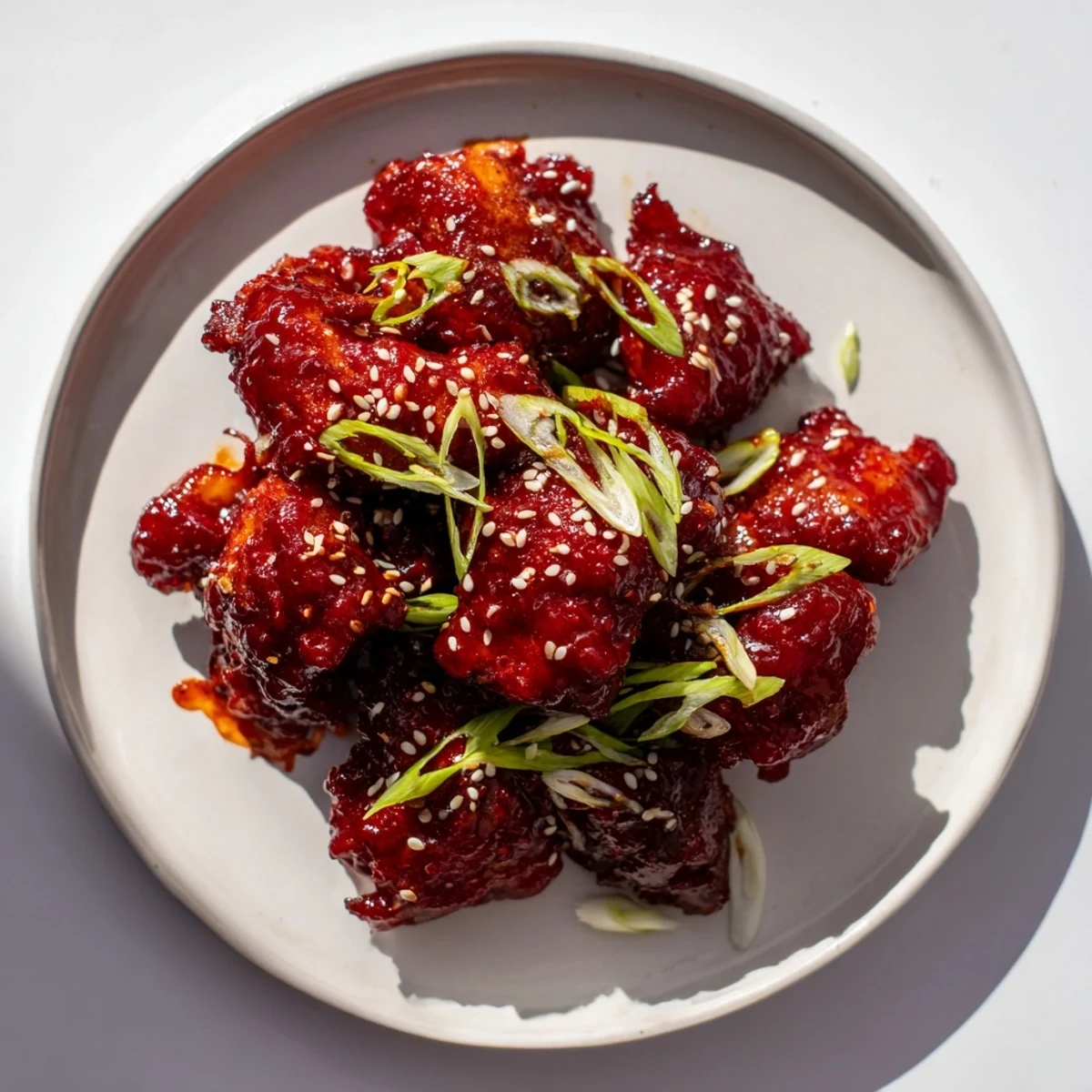
 This is one of those recipes that makes weeknight cooking feel like a small occasion, even when it is just Tuesday and you are eating straight from the pan.
Recipe FAQs
- → What does gochujang taste like?
-
Gochujang delivers a complex flavor profile combining savory umami, moderate heat, and subtle sweetness. The fermented chili paste adds depth that's more nuanced than standard hot sauces, with earthy undertones from the fermented soybeans.
- → Can I make this less spicy?
-
Absolutely. Reduce the gochujang to 1-2 tablespoons and increase the honey to 3 tablespoons. The sweetness helps balance the heat while maintaining the dish's signature glaze and rich flavor.
- → What sides pair well with this dish?
-
Steamed white rice is the classic accompaniment to soak up the flavorful sauce. Pickled vegetables, cucumber salad, or stir-fried bok choy provide refreshing contrast. Kimchi adds extra probiotic benefits and complementary heat.
- → How long should I marinate the chicken?
-
Fifteen minutes is sufficient for basic flavor absorption, but marinating up to two hours yields deeper, more pronounced results. Beyond two hours, the acid and salt may start to affect the chicken's texture, making it slightly mushy.
- → Can I use chicken breasts instead of thighs?
-
Yes, though thighs remain juicier due to higher fat content. If using breasts, reduce cooking time to 4-5 minutes per side and remove immediately at 165°F. Consider slicing breasts into slightly larger pieces to prevent drying.