
 Save to Pinterest
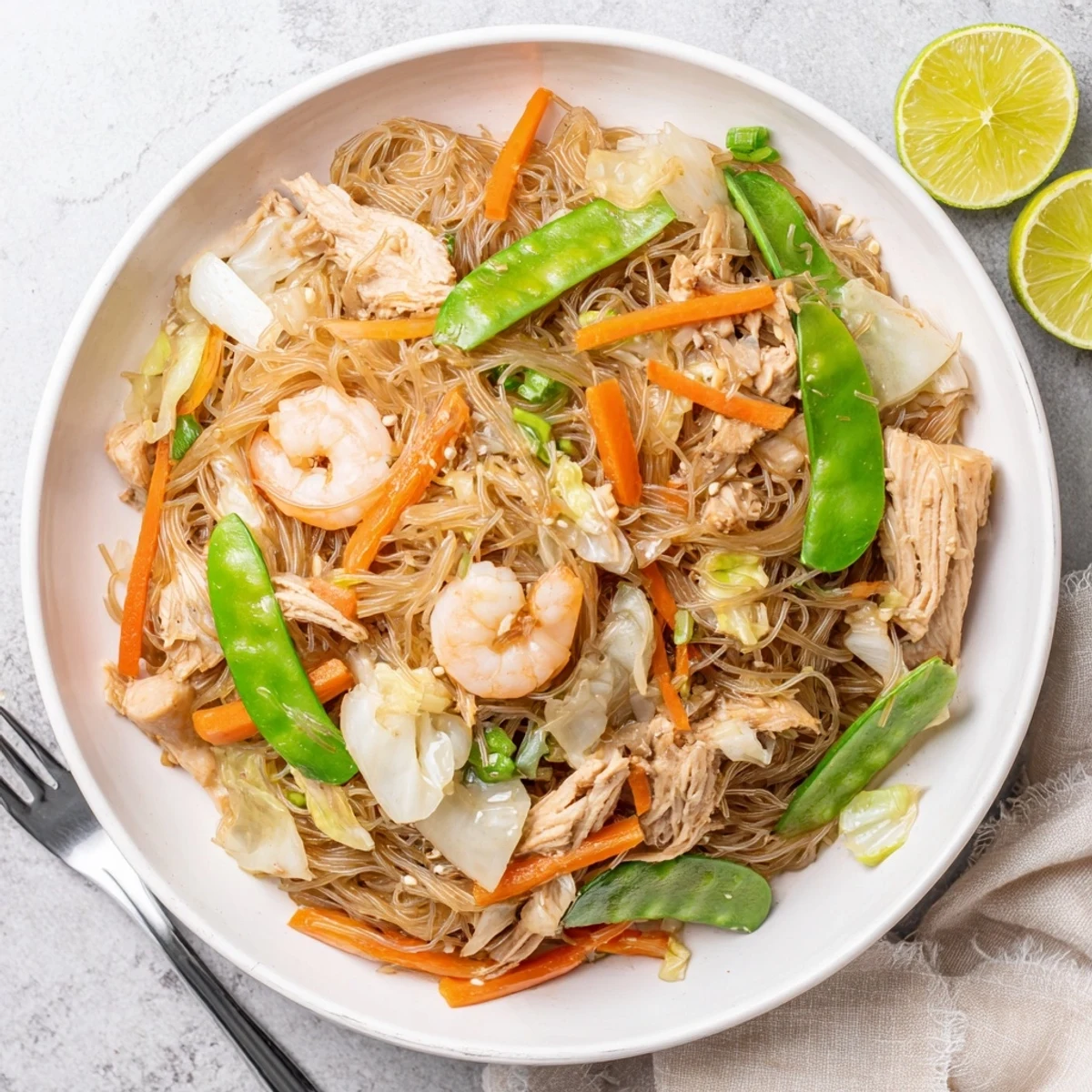
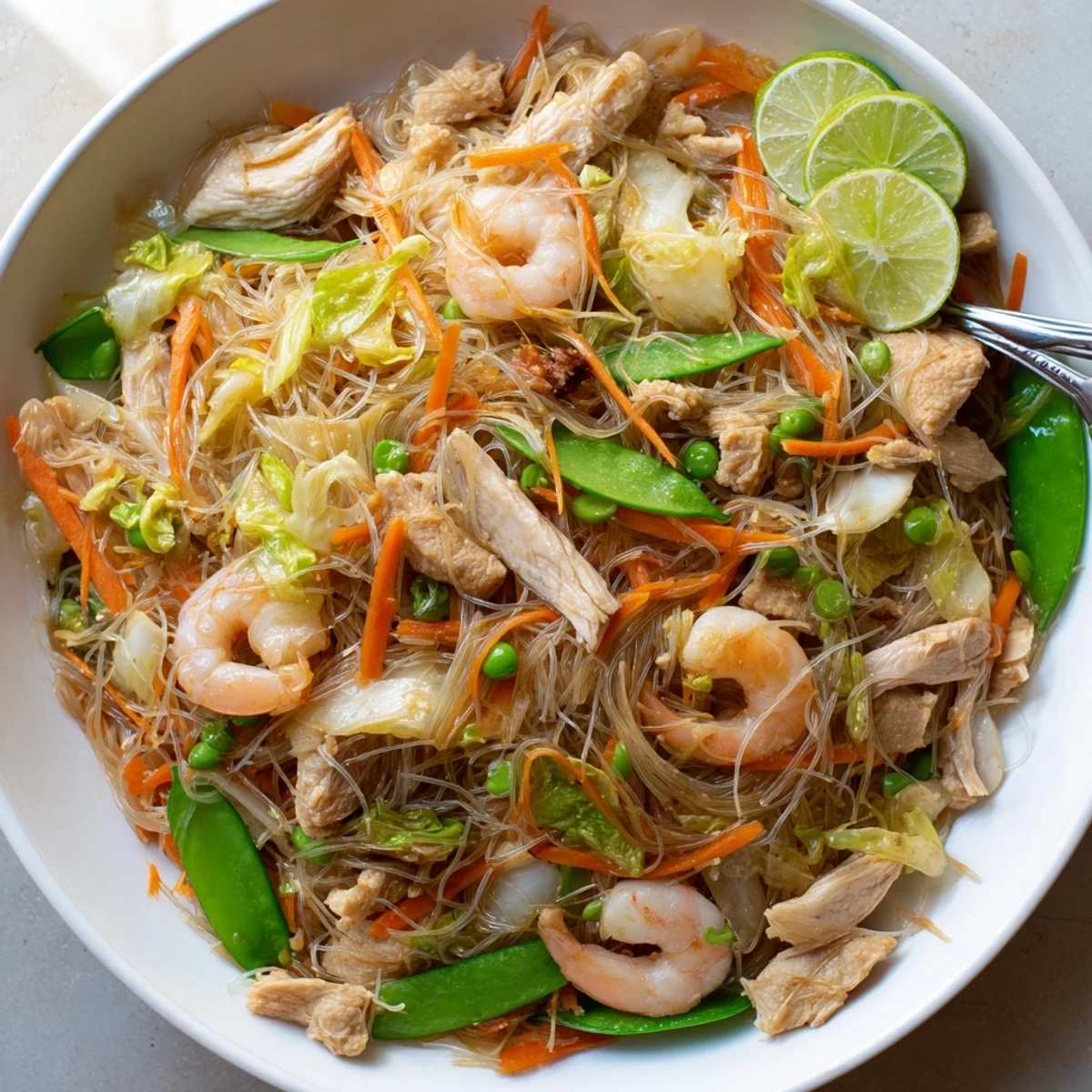
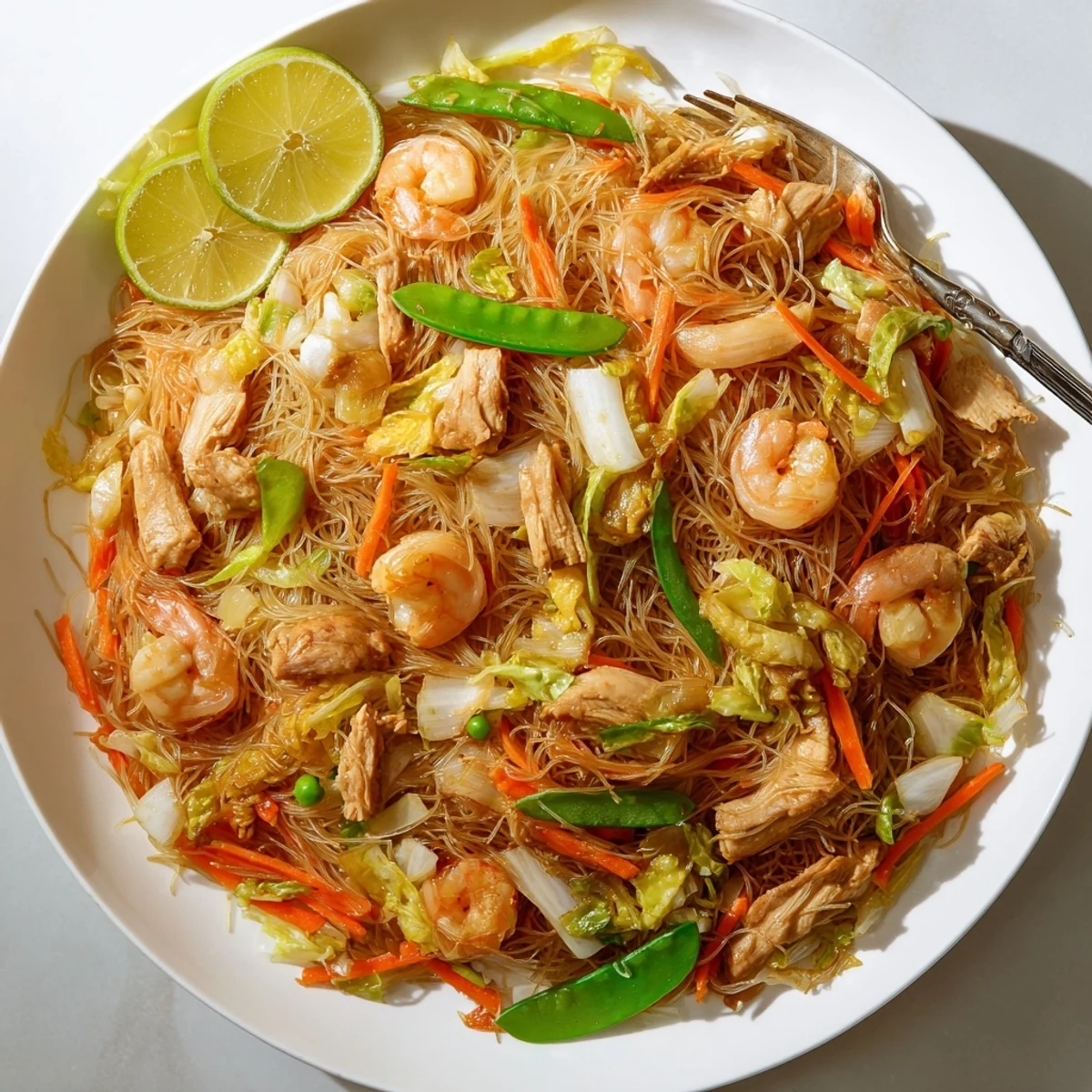
 This classic Filipino dish features thin rice vermicelli noodles stir-fried with sliced chicken breast, plump shrimp, julienned carrots, shredded cabbage, and snow peas. The noodles absorb a savory sauce made from soy, oyster sauce, fish sauce, and chicken broth, creating a perfect balance of umami flavors. Ready in just 40 minutes, this one-pan meal serves four and is ideal for family dinners or special occasions. Garnish with fresh scallions and serve with calamansi wedges for a bright, citrusy finish that cuts through the richness.
The steam rising from my aunt's kitchen always carried this incredible garlicky, savory aroma that meant pancit bihon was on the table. She made it for every family gathering, her hands moving faster than I could follow, tossing rice noodles in a massive wok that seemed to barely contain them. What I learned watching her wasn't just technique—it was that this dish represents celebration, comfort, and the Filipino spirit of feeding people well.
Last summer, my neighbor Sarah mentioned she'd never tried Filipino cuisine, so I invited her over for a pancit lesson. Watching her face light up when she took that first bite—the squeeze of calamansi cutting through the rich soy sauce, the shrimp perfectly sweet against the earthy noodles—that's the moment this recipe became my go-to for sharing culture through food.
Ingredients
- 200 g boneless, skinless chicken breast: Thinly slicing against the grain ensures every bite stays tender, even after high-heat stir-frying
- 100 g medium shrimp: Peeled and deveined, these cook quickly and add that essential sweetness that balances the salty sauce
- 200 g dried bihon noodles: Rice vermicelli soaks up all the flavors without becoming mushy when you don't over-soak them
- 1 small carrot: Julienned into matchsticks for that satisfying crunch and pop of orange color
- 1 cup green cabbage: Shredded thin so it wilts just slightly in the heat while maintaining texture
- 1/2 cup snow peas: Halved for easy eating and a fresh snap in every forkful
- 1 small onion: Sliced into thin half-moons to caramelize gently as the foundation builds
- 3 cloves garlic: Minced finely because in Filipino cooking, garlic is practically its own food group
- 2 tbsp soy sauce: The deep, salty backbone that gives the dish its distinct umami character
- 1 tbsp oyster sauce: Adds a subtle sweetness and thickness to the sauce that soy alone can't achieve
- 1 tsp fish sauce: Just enough to amplify the savory notes without overpowering delicate flavors
- 1/2 tsp ground black pepper: Freshly cracked adds warmth that lingers pleasantly
- 1 cup chicken broth: The liquid that brings everything together, creating that perfect glossy coating on every noodle
- 2 tbsp chopped scallions: Fresh green finish that brightens the rich, cooked flavors
- 1 lemon or calamansi: Cut into wedges for that essential acid squeeze right before eating
Instructions
- Prepare the noodles:
- Soak bihon in warm water for 10 minutes until pliable but still firm to the touch, then drain well and set aside—don't let them sit too long or they'll turn to mush in the pan
- Build your aromatic base:
- Heat 2 tablespoons of oil in a large wok over medium-high heat, then sauté garlic and onion until fragrant and the onion turns translucent, watching carefully so garlic doesn't brown and bitter
- Cook the proteins:
- Add sliced chicken first, letting it sear until lightly browned and cooked through, then toss in shrimp and stir-fry just until pink—about 2 minutes—removing everything from the pan to prevent overcooking
- Stir-fry the vegetables:
- In the same pan, add carrots, cabbage, and snow peas, tossing constantly for 2-3 minutes until they're vibrant and just tender-crisp, still retaining their fresh bite
- Create the sauce:
- Return chicken and shrimp to the pan, pour in soy sauce, oyster sauce, fish sauce, and chicken broth, bringing everything to a gentle simmer that coats the back of a spoon
- Combine with noodles:
- Add the drained bihon noodles, using tongs to gently lift and toss until every strand glistens with sauce and heats through—about 3-4 minutes of careful folding
- Season and adjust:
- Taste and add black pepper, adjusting with more soy or fish sauce if needed—the flavors should be savory and balanced, not overly salty
- Finish and serve:
- Transfer to a platter, scatter chopped scallions over the top, and arrange lemon or calamansi wedges on the side for that bright, fresh squeeze
 Save to Pinterest
 My daughter turned eight last month and requested pancit bihon instead of cake for her celebration. Watching her little friends tentatively try it, then go back for thirds, made me realize how food bridges cultures without anyone even noticing—it's just delicious, and that's universal.
Making It Your Own
After years of following the recipe exactly, I started playing around based on what my family loves. Sometimes I add bell peppers for extra color, or throw in sliced celery when I want more crunch. The beauty of this dish is how forgiving it is—as long as you keep the sauce balance right, you can customize the vegetables to your heart's content.
Perfecting the Sauce Balance
The sauce is where this recipe lives or dies. I've learned that the magic ratio isn't exact—it depends on your soy sauce brand, how salty your broth is, even the size of your eggs. Start with less, taste as you go, and remember that the sauce should coat the noodles generously without drowning them. It should look glossy, not soupy.
Serving and Pairing
Pancit bihon is traditionally served at celebrations for its symbolic association with long life and prosperity. I love setting out small bowls of extra soy sauce mixed with chili flakes for those who want to kick up the heat. A cold light lager or crisp white wine cuts through the richness beautifully.
- Don't skip the calamansi or lemon squeeze—it's what makes all the flavors pop
- Have everything prepped before you start cooking once you hit the heat, there's no stopping
- Leftovers, if you have any, reheat beautifully with just a splash of water to refresh the noodles
 Save to Pinterest
 Whether it's a Tuesday dinner or a party spread, pancit bihon has this way of making any table feel like a celebration. Gather the people you love, squeeze that calamansi, and enjoy something truly special.
Recipe FAQs
- → What is Pancit Bihon?
-
Pancit Bihon is a traditional Filipino noodle dish made with thin rice vermicelli noodles stir-fried with meats, vegetables, and seasonings. It's a staple at Filipino gatherings and celebrations, symbolizing long life and prosperity.
- → How do I prevent the noodles from becoming mushy?
-
Soak the bihon noodles in warm water for just 10 minutes until softened, not fully cooked. Drain them thoroughly before adding to the pan. The noodles will finish cooking and absorb the sauce during the final 3-4 minutes of stir-frying.
- → Can I make this dish ahead of time?
-
While best served immediately, you can prepare all ingredients in advance and store them separately. The assembled dish reheats well in a wok over medium heat, adding a splash of water or broth to refresh the noodles.
- → What can I substitute for the fish sauce?
-
If you don't have fish sauce, increase the soy sauce slightly and add a pinch of salt. For vegetarians, use mushroom sauce or additional soy sauce with a drop of rice vinegar for acidity.
- → How do I store leftovers?
-
Store cooled leftovers in an airtight container in the refrigerator for up to 3 days. Reheat in a wok or skillet over medium heat, adding a splash of water to prevent sticking. The noodles may absorb more liquid over time.
- → Can I use other proteins?
-
Absolutely. Pork belly, Chinese sausage, or beef strips work beautifully. For a vegetarian version, use firm tofu cubes and substitute fish sauce with mushroom sauce or additional soy sauce.