
 Save to Pinterest
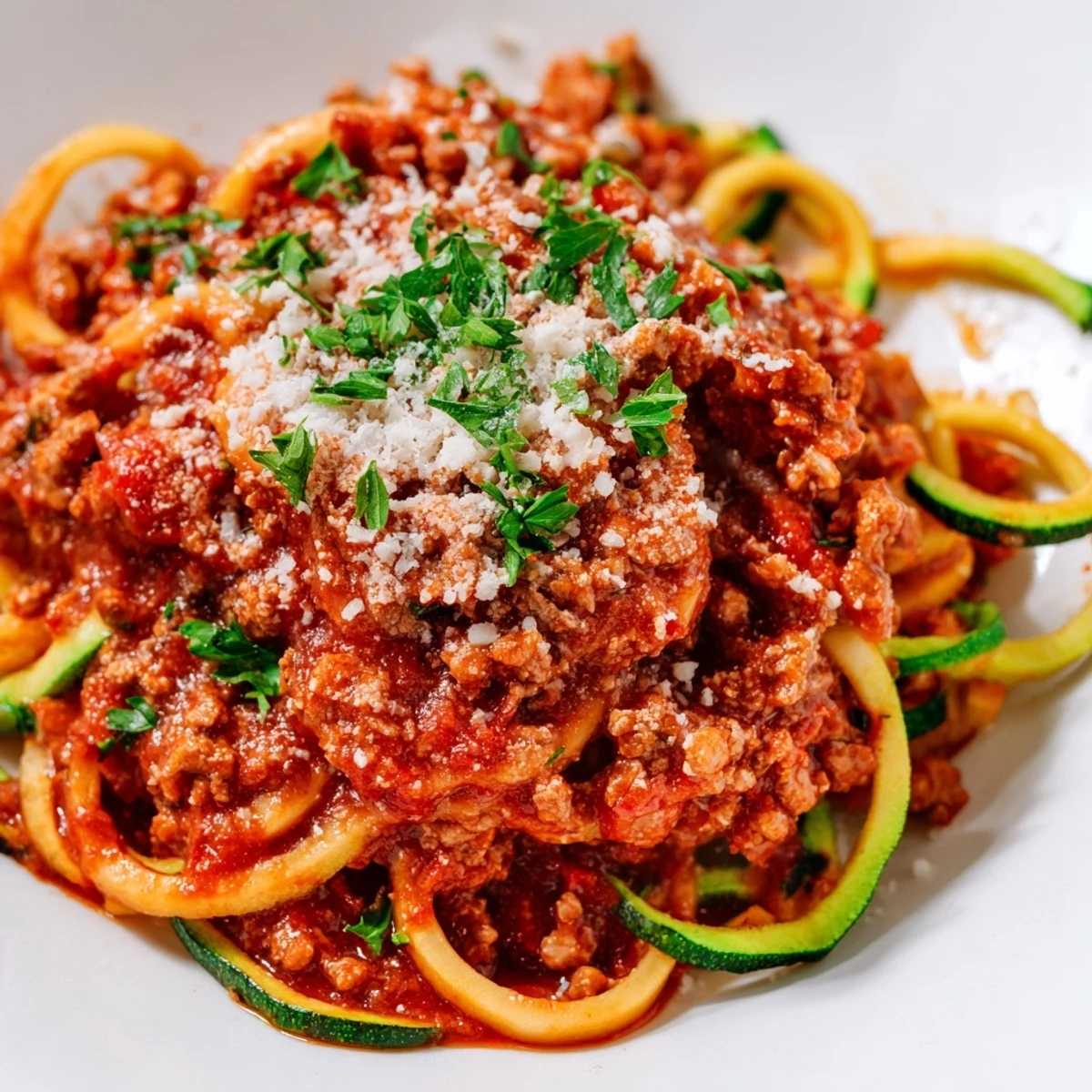
 This dish features lean ground turkey cooked with aromatic vegetables and Italian herbs, simmered in a rich tomato sauce. Fresh zucchini noodles are lightly sautéed to preserve a crisp texture, providing a low-carb, gluten-free base. The combination offers a satisfying and hearty meal without heaviness. Garnished with fresh parsley, it balances flavors and textures for a wholesome Italian-inspired experience suitable for quick and easy weeknight dinners.
My sister called me one Tuesday asking if I could help her feel less sluggish during the week, and somehow that conversation led to me spiralizing zucchini at her kitchen counter. I'd been stuck in a rut making the same heavy pasta dishes, and she needed something that tasted indulgent but didn't leave you feeling weighed down by dinner. That's when turkey bolognese clicked—lean, savory, deeply satisfying, but somehow lighter than anything I'd made before.
I made this for my neighbor one evening when she mentioned trying to eat better, and she came back three days later asking for the recipe because her whole family had devoured it without a single complaint. Her teenage son, who normally picked at everything, went back for seconds and didn't even notice it wasn't traditional pasta. That's when I realized this wasn't just a diet recipe—it was genuinely delicious.
Ingredients
- Olive oil: The fat that carries flavor; don't skip it even though this is light, it's what makes the onions and garlic smell incredible as they hit the hot pan.
- Onion, garlic, carrot, and celery: This is your flavor foundation, and the finer you chop them, the better they disappear into the sauce and deepen everything.
- Ground turkey: Lean but not flavorless if you brown it properly—break it into small pieces so it cooks evenly and gets those caramelized edges.
- Crushed tomatoes and tomato paste: The paste is concentrated umami; cooking it briefly in the spices opens up its savory depth in a way that makes the whole sauce taste like it simmered for hours.
- Dried oregano, basil, and thyme: These should smell bright and herbaceous when you open the container—old spices will taste dusty and flat, so taste as you go.
- Balsamic vinegar: A small splash does something magical; it rounds out the acidity of the tomatoes and adds a subtle sweetness that keeps you reaching for another bite.
- Chicken broth: This keeps the sauce silky without making it watery—it's the difference between sauce that coats your noodles and sauce that pools.
- Fresh zucchini: Medium zucchini have thinner seeds and more delicate flesh; oversized ones get watery and bitter, so check that they feel firm when you squeeze them gently.
Instructions
- Warm the base and build your aroma:
- Let that oil get properly shimmering before you add the onion, garlic, carrot, and celery—you want to hear a gentle sizzle, which means the vegetables are starting to caramelize and release their sweetness. Stir them around for 5 or 6 minutes until the onion turns translucent and the whole kitchen smells like you're at a rustic Italian trattoria.
- Brown the turkey with intention:
- Once the vegetables soften, push them to the side and let the turkey hit the hot pan without stirring it immediately—that's how you get little caramelized bits instead of gray, steamed meat. Break it apart as it cooks, and keep going for about 5 to 7 minutes until there's no pink left and you see brown bits sticking to the pan.
- Toast your spices and paste:
- This is the secret step that transforms everything—stir the tomato paste into the meat along with the oregano, basil, thyme, and chili flakes, then let it all sit and cook for just a minute. You'll smell the moment the spices wake up, and that aroma means the flavors are opening up instead of just sitting flat in the sauce.
- Simmer low and slow:
- Pour in the tomatoes, broth, balsamic vinegar, salt, and pepper, then turn the heat down to low and let it bubble very gently for 20 to 25 minutes. Stir now and then, and watch as the sauce thickens and darkens and tastes better with every minute—that's the flavors folding into each other.
- Spiralize and quick-cook the zucchini:
- While the sauce simmers, spiralize your zucchini into noodles or use a julienne peeler for thin ribbons. In a separate nonstick pan with a little olive oil over medium-high heat, sauté them for just 2 to 3 minutes—you want them tender but still with a tiny bit of resistance when you bite, not mushy and weeping liquid everywhere.
- Plate and finish:
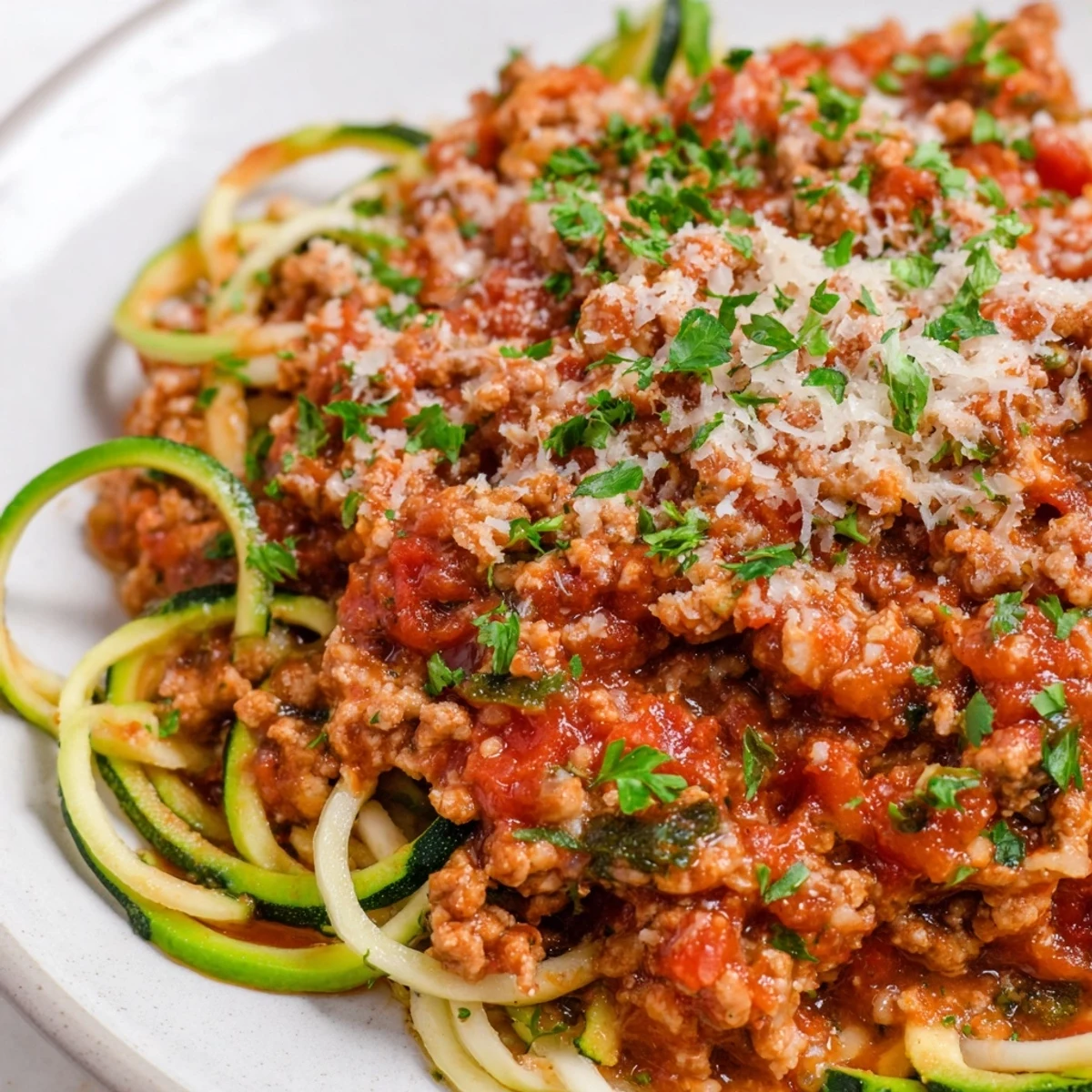
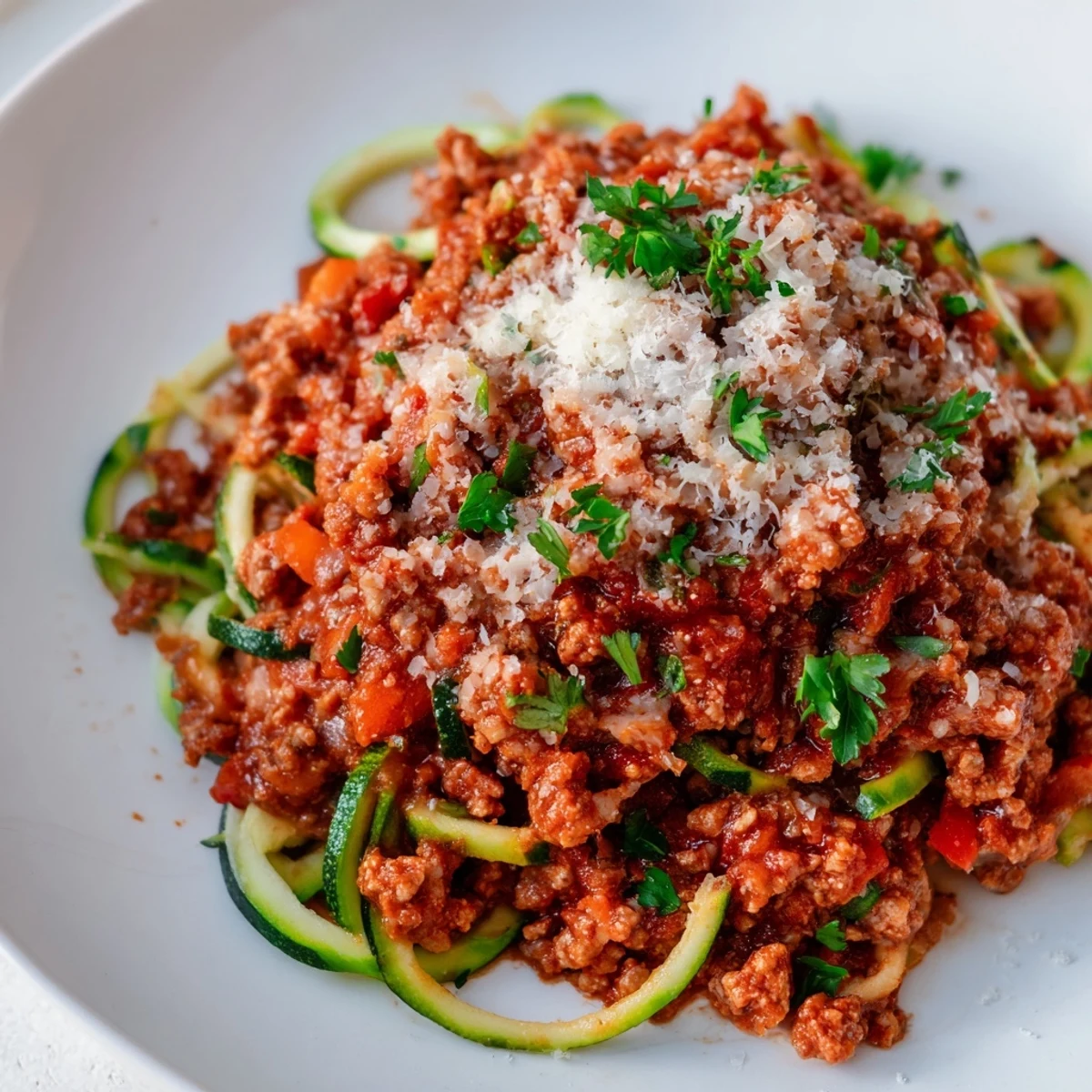
- Pile the zucchini noodles into shallow bowls and spoon that rich, meaty sauce over top, then finish with a scatter of fresh parsley and maybe some grated Parmesan if you're feeling it. The freshness of the parsley cuts through the richness in the most satisfying way.
 Save to Pinterest
 There was a moment while stirring the sauce when my partner came home, and the smell made them stop in their tracks and say, "That smells insane for something healthy." That's when I understood this dish had crossed over from being something I made to feel better to being something people genuinely wanted to eat again and again.
Why Ground Turkey Works Here
Turkey gets a bad reputation for being dry and boring, but that's only true if you cook it fast and alone. When you brown it slowly in aromatics and let it mingle with tomato paste and herbs for a long simmer, something shifts—it becomes savory and deeply flavored, almost richer than beef because there's nothing to hide behind. The lean nature is actually an advantage here because the sauce clings to it instead of pooling with fat, and everything tastes cleaner and brighter.
The Zucchini Noodle Difference
The first time I made spiralized zucchini, I cooked them forever and ended up with something between a vegetable and baby food. The trick is that aggressive heat for barely any time—they go from raw to tender in under three minutes if you're paying attention, and that's exactly when you stop. They should still have a whisper of crunch, just enough that they feel like noodles instead of mush, and they'll continue cooking slightly from the residual heat even after you take the pan off the flame.
Building Flavor in Lighter Cooking
When you're making something lighter, you can't rely on heavy cream or butter to carry flavor—so you have to work harder with your base. That's why the onion, garlic, carrot, and celery get finely chopped and cooked until they're almost caramelized; that's why the tomato paste gets toasted in the spices instead of just stirred in raw; and that's why the balsamic vinegar matters even in a small amount. Every element is pulling its weight.
- Don't rush the vegetable sauté—those five minutes of gentle cooking is where the foundation gets built.
- Taste the sauce at the end and adjust with a pinch of salt or a splash of vinegar; seasoning is what separates a good sauce from one that tastes alive.
- Fresh parsley at the finish adds brightness that tricks your brain into thinking this is a restaurant-quality dish, not something you made on a weeknight.
 Save to Pinterest
 This dish became my answer to so many different moments—a quick dinner after a long day, something to bring to friends who were eating lighter, a way to cook something that felt indulgent without the heaviness afterward. It's real food that happens to be good for you, which might be the best kind of meal to know how to make.
Recipe FAQs
- → How do I prepare zucchini noodles properly?
-
Use a spiralizer or julienne peeler to create zucchini noodles. Lightly sauté them in olive oil for 2-3 minutes until tender but still crisp, then season with salt and pepper.
- → Can ground turkey be substituted with other proteins?
-
Yes, ground chicken, lean beef, or plant-based alternatives work well, adjusting cooking time as needed for texture and flavor.
- → What herbs enhance the sauce’s flavor?
-
Dried oregano, basil, thyme, and a pinch of chili flakes create a balanced Italian herb profile that complements the turkey and tomatoes.
- → Is this suitable for gluten-free diets?
-
Yes, using zucchini noodles instead of pasta makes this dish naturally gluten-free and low in carbohydrates.
- → Can I add dairy to enrich the sauce?
-
Adding a splash of milk or cream during the last minutes of simmering enriches the sauce with a smooth texture and mild flavor.