
 Save to Pinterest
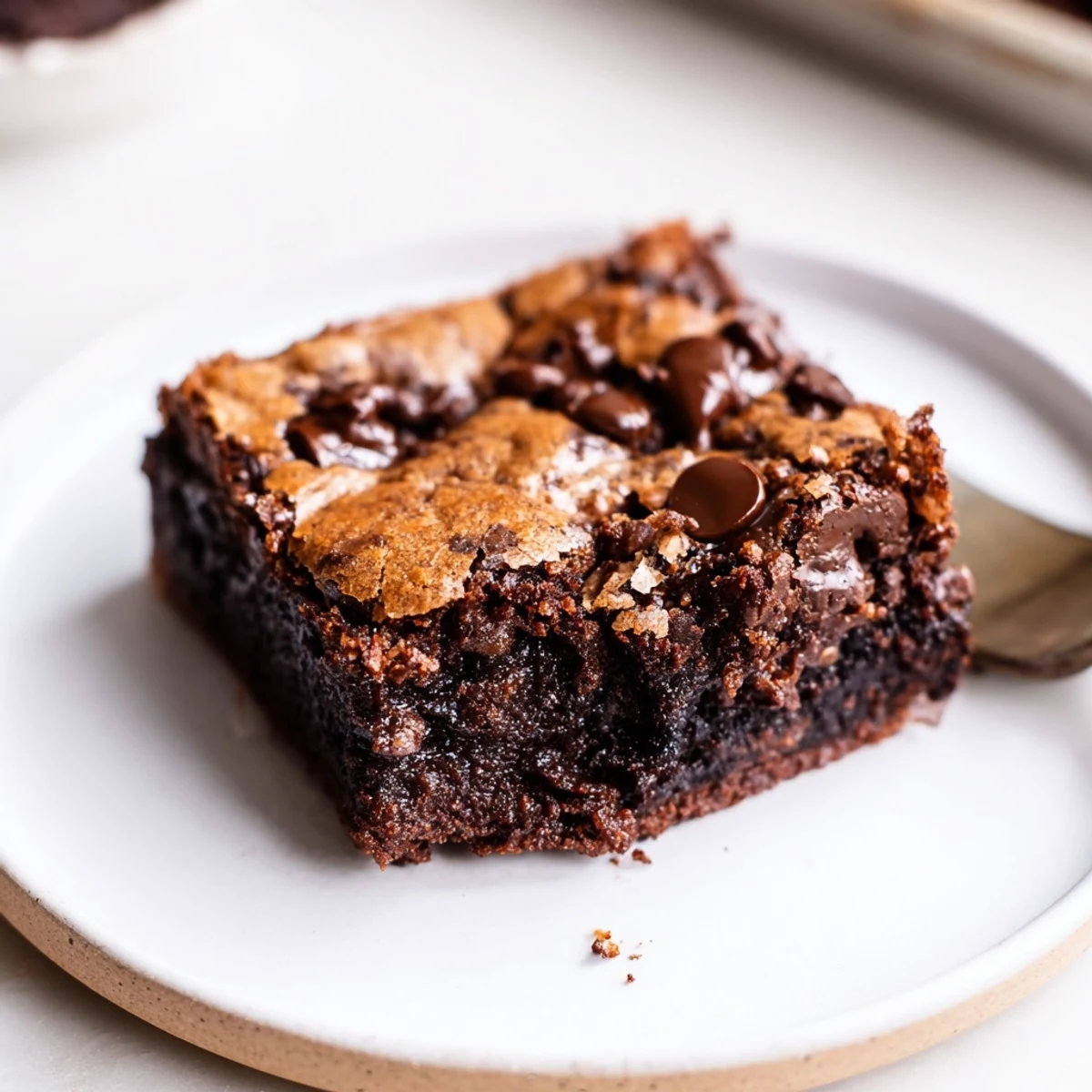
 These fudgy chewy brookies combine a dense cocoa-rich brownie base with spoonfuls of chocolate-chip cookie dough on top. Preheat oven to 175°C (350°F) and line an 8x8 (20x20 cm) pan. Make the brownie batter, spread it, then drop cookie dough over the surface and gently spread. Bake 28–33 minutes until the top is golden and a few moist crumbs remain. Cool fully before lifting and slicing; chill briefly for cleaner cuts or underbake slightly for extra goo.
My kitchen counter was a war zone the night I invented these brookies by accident, standing between a bowl of brownie batter and a fresh batch of cookie dough with zero plan to combine them. The oven was already hot and I refused to choose, so I layered them together and crossed my fingers. What emerged was this impossibly fudgy, chewy slab of chocolate chaos that my roommate now texts me about at least once a month. Sometimes the best recipes come from pure stubbornness.
I brought a pan of these to a friends potluck last summer and watched three grown adults hover near the dessert table pretending to chat while secretly reaching for seconds. One guy told me he dreamt about them that night, which was either a compliment or slightly unsettling.
Ingredients
- Unsalted butter (115g melted for brownie, 115g softened for cookie): Temperature matters here more than you think. Melted butter gives the brownie layer its dense fudgy crumb, while softened butter keeps the cookie layer thick and chewy.
- Granulated sugar (200g for brownie, 50g for cookie): The brownie layer uses more sugar than you expect, but this is what creates that crackly, shiny top.
- Brown sugar, packed (100g): This belongs only in the cookie layer and packing it tightly is nonnegotiable for the right moisture.
- Eggs (2 large for brownie, 1 large for cookie): Room temperature eggs blend more smoothly into both batters.
- Vanilla extract (1 tsp each layer): Use the real stuff if you have it, the difference is especially noticeable in the brownie layer.
- All-purpose flour (65g for brownie, 150g for cookie): Measure by weight if possible, because even a little extra flour in the brownie layer turns fudgy into cakey.
- Unsweetened cocoa powder (30g): Dutch processed gives a deeper color and smoother flavor, but natural works fine too.
- Baking soda (1/2 tsp): Only the cookie layer needs this leavener, and it helps create those characteristic golden edges.
- Salt (1/4 tsp for brownie, 1/2 tsp for cookie): Salt is what makes chocolate taste like chocolate instead of just sweet.
- Chocolate chips (110g): Semi-sweet is classic, but dark chocolate chunks take this to another level entirely.
Instructions
- Preheat and prep your pan:
- Set your oven to 175 degrees Celsius (350 degrees Fahrenheit) and line a 20 by 20 centimeter baking pan with parchment, leaving the edges hanging over like handles. This little trick saves you from the nightmare of stuck brookies later.
- Build the brownie layer:
- Whisk melted butter and sugar together in a bowl until glossy, then beat in the eggs one at a time followed by the vanilla. Fold in the flour, cocoa powder, and salt with a spatula, stopping the moment everything disappears into the batter. Spread this into your prepared pan as evenly as you can manage.
- Make the cookie dough:
- Beat the softened butter with both sugars until the mixture looks pale and fluffy, about two minutes with an electric mixer. Drop in the egg and vanilla, mix until smooth, then add the flour, baking soda, and salt in stages. Stir in the chocolate chips last, and try not to eat too much of it raw.
- Layer and assemble:
- Drop generous spoonfuls of cookie dough all over the brownie batter, then use a spatula to gently nudge it toward the edges. Some brownie peeking through is totally fine and actually creates those gorgeous marbled bits.
- Bake until just right:
- Slide the pan into the oven and bake for 28 to 33 minutes, watching for the cookie layer to turn golden at the edges. A toothpick should come out with a few moist crumbs clinging to it, not wet batter and not completely clean.
- Cool completely before slicing:
- Patience is brutal here but slicing warm brookies gives you crumbly mess instead of clean bars. Let the pan sit at room temperature for at least two hours, then use the parchment overhang to lift the whole thing out.
 Save to Pinterest
 The moment I knew this recipe was a keeper was watching my usually reserved mother in law go back for a third piece while pretending she was just helping clear the plate.
The Secret to That Perfect Texture
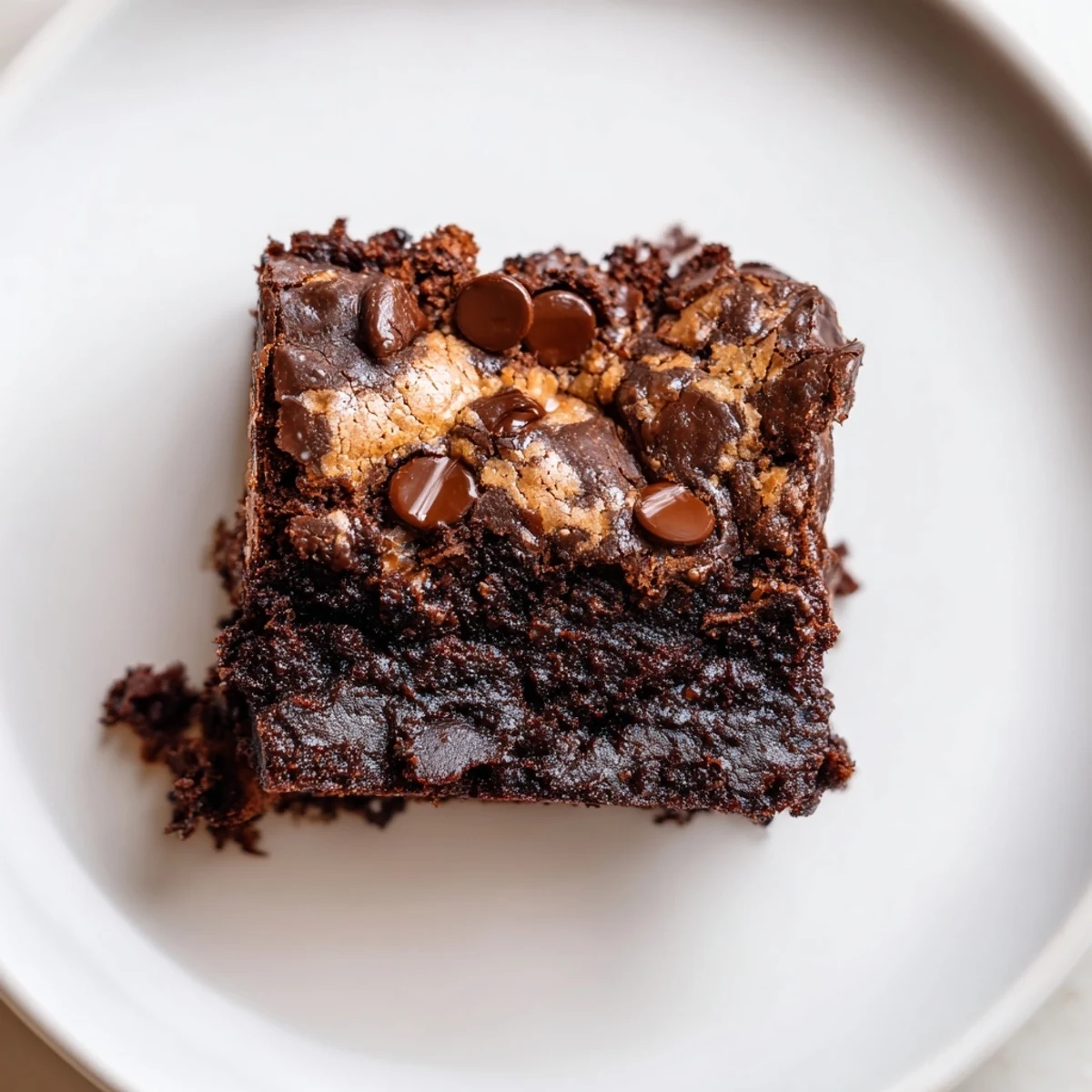
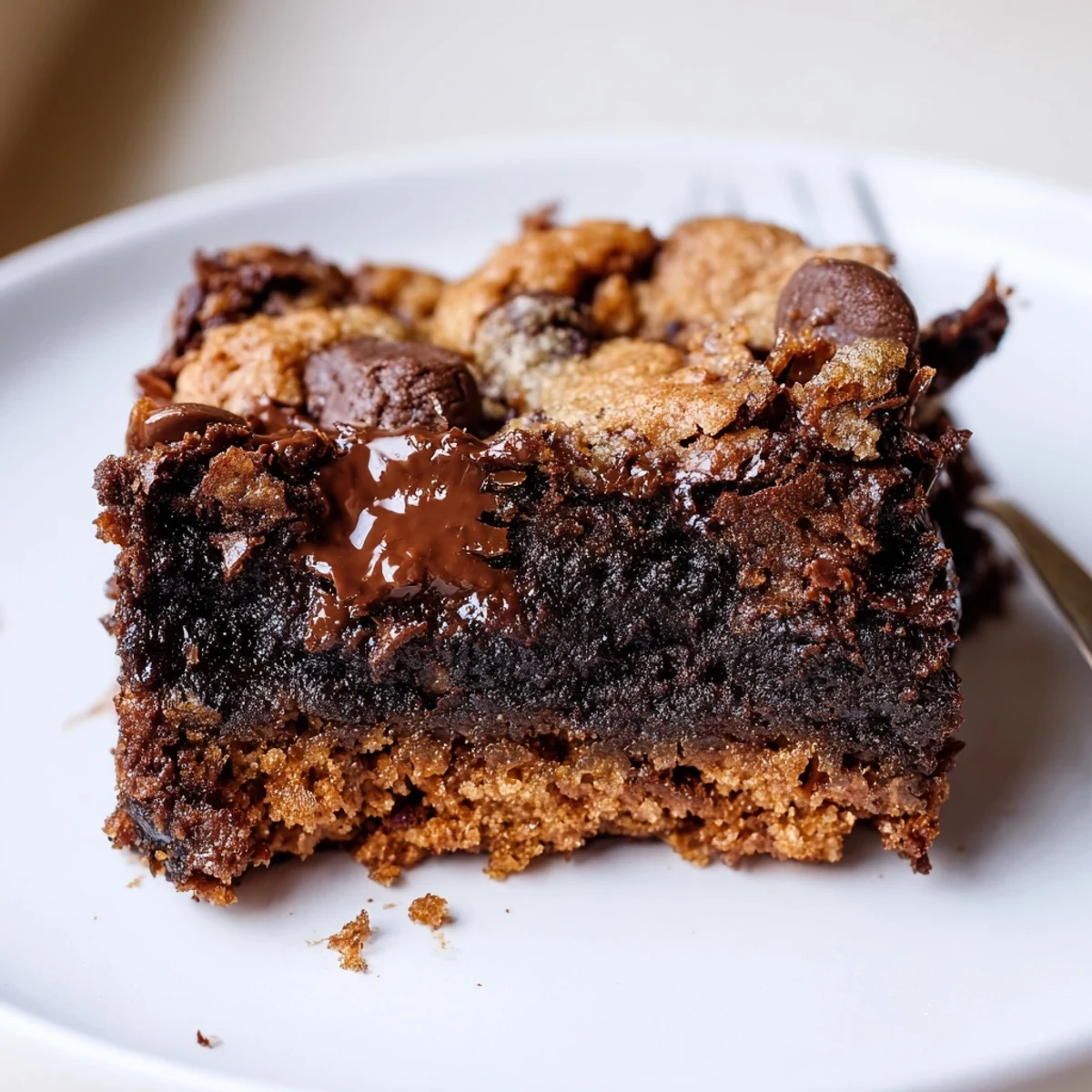
The magic lies in treating each layer like its own recipe that just happens to share a pan. Undermixing the brownie batter keeps it dense, while properly creaming the butter and sugars for the cookie layer gives it structure and chew. They bake into each other just enough at the boundary to create this incredible transition zone that is half brownie and half cookie.
Fun Variations to Try
Once you have the basic technique down, the variations are endless. Swap the chocolate chips for butterscotch or white chocolate, fold chopped walnuts into the cookie dough, or add a tablespoon of espresso powder to the brownie batter for depth. My personal favorite is pressing a thin layer of caramel sauce between the two batters, though that does make them slightly more dangerous to have around.
Storing and Serving
These keep beautifully in an airtight container at room temperature for up to four days, and they actually taste better on day two when the textures have fully settled. For the ultimate experience, warm a bar for ten seconds in the microwave and top it with vanilla bean ice cream.
- Freeze sliced bars between sheets of parchment for up to three months.
- A sprinkle of flaky sea salt on top right before baking elevates the whole pan.
- Always let them cool completely or they will fall apart when you cut them.
 Save to Pinterest
 Make a double batch because these disappear faster than any dessert I have ever set on a table. They are worth every minute of effort and every dirty bowl in your sink.
Recipe FAQs
- → How can I ensure a fudgy brownie layer?
-
Use the stated butter-to-flour ratio, avoid over-mixing, and pull the bake at the lower end of the time window while a few moist crumbs cling to a toothpick. Cooling in the pan helps the center set without drying out.
- → What if my cookie layer spreads too much?
-
Chill the dough briefly before dropping spoonfuls, work with slightly stiffer dough, and avoid fully smoothing the top—leaving some brownie exposed helps keep the separate textures intact.
- → Can I change pan size and baking time?
-
An 8x8 pan gives the intended thickness. A larger pan will thin the layers and shorten bake time; watch closely and reduce baking by about 5–10 minutes for a 9x9. Thicker pans may need a few extra minutes.
- → What are good ingredient swaps or additions?
-
Swap chocolate chips for chopped chocolate, butterscotch, or toasted nuts for crunch. Use brown sugar for deeper caramel notes in the cookie layer. For dairy-free, try a 1:1 plant-based butter substitute and check chip labels.
- → How should I store leftovers?
-
Store cooled bars in an airtight container at room temperature for 2–3 days, refrigerate up to a week, or freeze individual squares for up to 3 months. Thaw at room temperature or warm briefly before serving.
- → Tips for clean, even slices?
-
Cool completely and chill briefly to firm up layers. Use the parchment overhang to lift from the pan, use a sharp knife warmed under hot water and wiped dry between cuts, and make decisive single strokes for neat edges.