
 Save to Pinterest
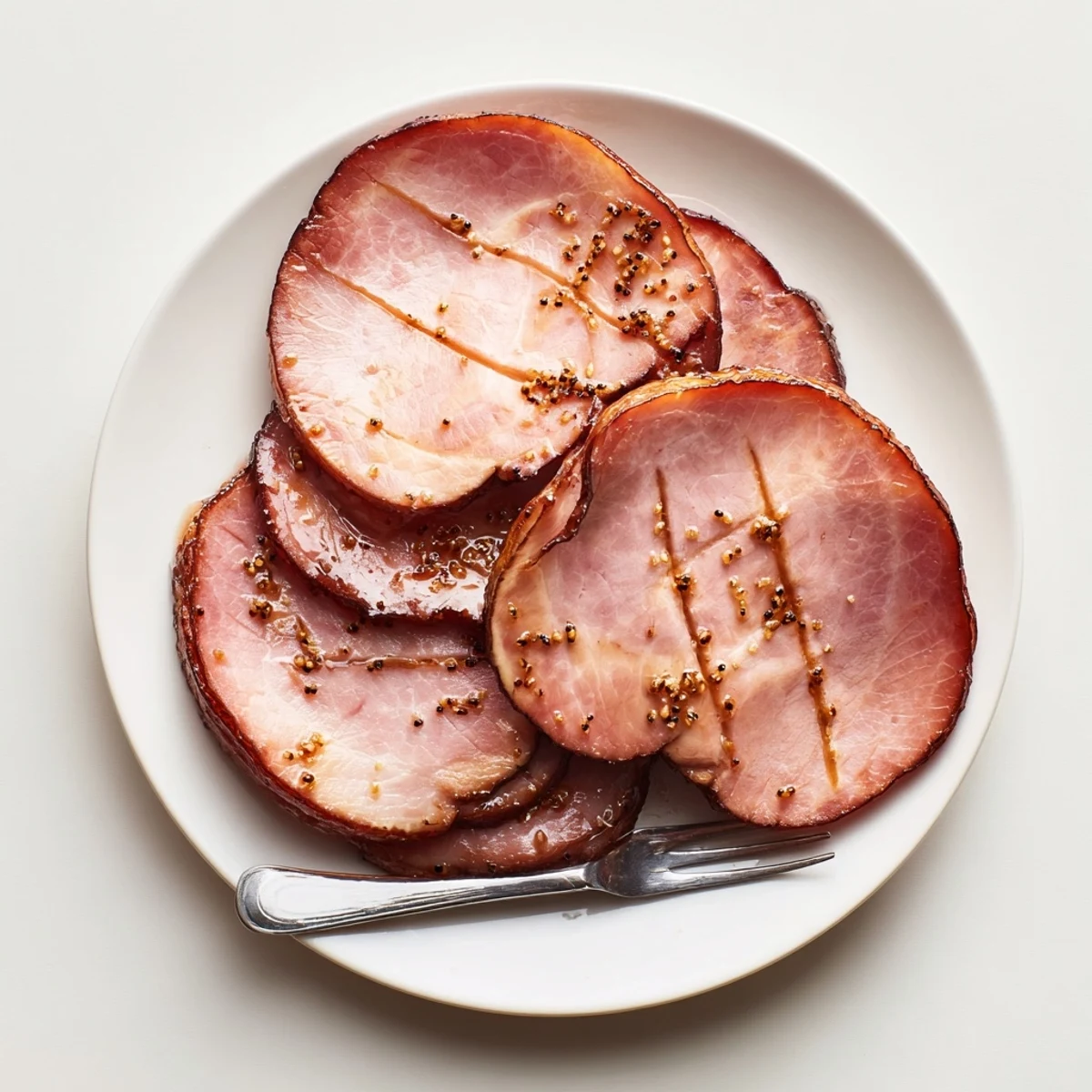
 This impressive centerpiece features a fully cooked bone-in ham that's been oven-roasted to perfection and coated in a luscious homemade glaze. The sweet and tangy combination of brown sugar, Dijon and whole-grain mustard, honey, and apple cider vinegar creates a beautifully caramelized exterior that's both visually stunning and incredibly flavorful. With just 15 minutes of active preparation time, this dish is ideal for holidays, celebrations, or any special occasion where you want to serve something memorable without spending all day in the kitchen.
The kitchen was already warm by 8 AM that Christmas morning, filling with that distinctive sweet-spicy aroma that somehow announces celebration before anyone even walks through the door. I'd spent the past three years tweaking this glaze ratio, and watching my brother-in-law literally scrape the last sticky bits from the serving platter last year told me I'd finally nailed it. There's something deeply satisfying about a recipe that looks impressive but mostly just needs your oven to do the heavy lifting.
Last Easter, my cousin arrived early and ended up being my official glaze-brusher, which turned into this lovely impromptu kitchen moment while we caught up and waited for that first hour of roasting to pass. Now it's become our thing—she claims her brushing technique is superior, though I suspect she just wants dibs on the caramelized bits that collect in the pan corners. Some recipes create traditions around themselves without you even trying.
Ingredients
- Ham: A fully cooked bone-in ham gives you that beautiful presentation and the bone adds incredible depth to any leftover soups you'll inevitably make later
- Brown sugar: Packed tight creates that thick, caramelized crust that sets this apart from plain roasted ham
- Dijon mustard: Adds that sharp tang that cuts through all the sweetness
- Whole-grain mustard: Provides texture and those little pops of mustard flavor throughout the glaze
- Honey: Helps the glaze cling to the ham and adds a floral sweetness that balances the vinegar
- Apple cider vinegar: The acid that keeps everything from becoming cloyingly sweet
- Ground cloves: Just enough warm spice to make it taste like holidays
Instructions
- Prep and Score:
- Preheat your oven to 325°F and set the ham flat-side down on a rack in your roasting pan. Use a sharp knife to score the surface in a diamond pattern, cutting about 1/4 inch deep—this helps the glaze really sink in and creates those gorgeous caramelized ridges.
- The First Roast:
- Cover the ham loosely with foil and bake for an hour. This initial heating phase helps the fat render slowly before the glaze even touches it.
- Make the Magic:
- Combine brown sugar, both mustards, honey, vinegar, and cloves in a small saucepan over medium heat. Stir constantly until the sugar dissolves completely and you've got this smooth, glossy mixture that'll make your whole kitchen smell incredible.
- First Glaze:
- Pull off that foil after the first hour and brush half the glaze all over the ham, really working it into those scored cuts you made earlier.
- The Caramelization Phase:
- Bake uncovered for another 45 to 60 minutes, basting every 15 minutes with the remaining glaze until the surface develops this deep mahogany color and sticky caramelized coating.
 Save to Pinterest
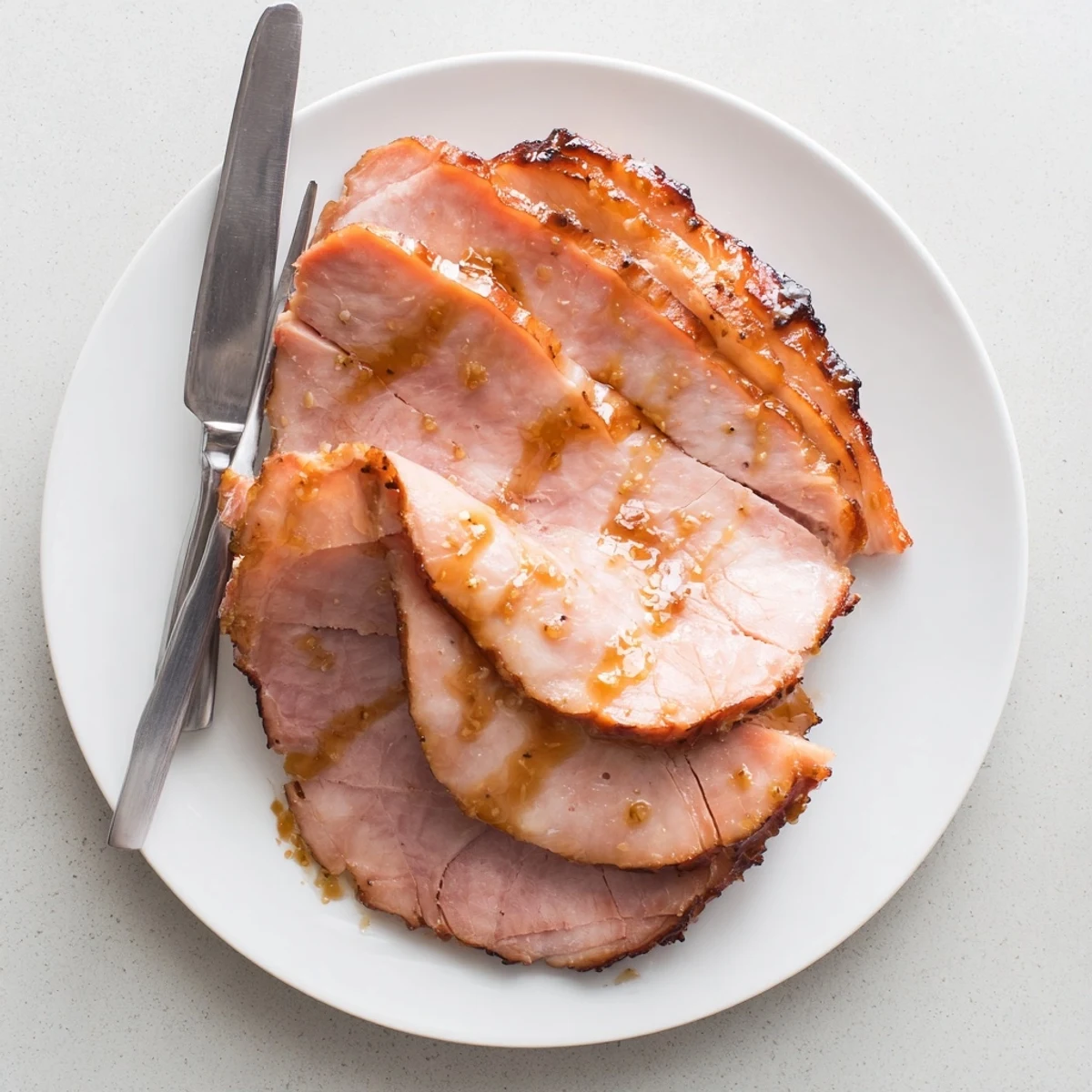
 My grandmother used to tell me that patience was the secret ingredient in every good recipe, but watching this ham develop that crackling, sugary exterior while the house fills with anticipation feels like proof that some things are worth the wait. Last year's holiday table went completely silent for a solid five minutes after that first slice was served—no one spoke, just that contented eating silence that's the highest compliment a cook can receive.
Getting That Score Right
The diamond pattern isn't just for looks; each cut creates more surface area for the glaze to cling to. I've found that holding my knife at a slight angle creates deeper ridges that catch pockets of caramelized sugar as the ham roasts. It's the difference between a ham that's glazed and one that's genuinely transformed.
The Glaze Window
Watch closely during that final 15 minutes—the glaze can go from perfect caramelized to burned in the blink of an eye. I set a timer and actually peek through the oven door rather than opening it, which keeps the temperature steady. That moment when it's perfectly glossy and sticky? That's what you're chasing.
Serving Strategy
A sharp carving knife with a thin blade makes the cleanest cuts, especially when you hit the bone area. Slice perpendicular to the bone for those picture-perfect serving pieces, then cut parallel along the bone to get every last bit of meat. Don't forget those little end pieces—they're coated in the most glaze and should be claimed immediately by whoever's doing the carving.
- Warm your serving platter in a low oven while the ham rests
- Save the pan drippings mixed with any leftover glaze for spooning over slices
- Offer extra mustard on the side for guests who love that extra tang
 Save to Pinterest
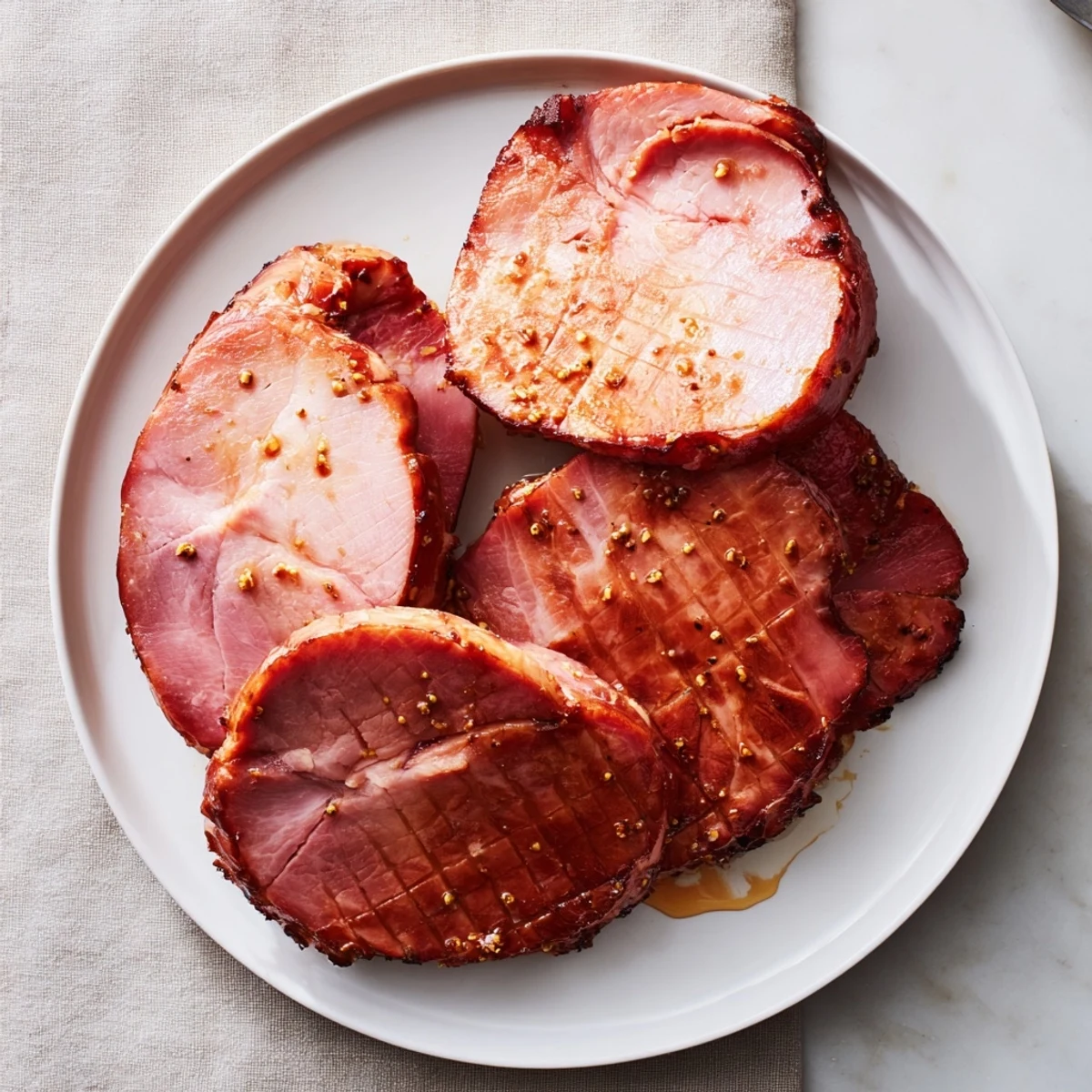
 There's something deeply grounding about serving a dish that feels both celebratory and deeply comforting all at once.
Recipe FAQs
- → What type of ham works best for this preparation?
-
A fully cooked bone-in ham weighing 8-10 pounds works perfectly. The bone adds flavor and helps keep the meat moist during roasting. You can use a spiral-cut ham as well, though the glaze may penetrate differently.
- → Can I prepare the glaze in advance?
-
Yes, you can make the glaze up to 2 days ahead and store it in an airtight container in the refrigerator. Gently reheat before applying to the ham, stirring until smooth and pourable.
- → How do I know when the ham is done?
-
The ham is fully heated when it reaches an internal temperature of 140°F (60°C). Use a meat thermometer inserted into the thickest part without touching bone. The exterior should be beautifully caramelized and sticky.
- → What can I serve with this glazed ham?
-
This pairs wonderfully with roasted vegetables, scalloped potatoes, green beans, or a fresh garden salad. The leftovers make incredible sandwiches, omelets, or can be diced into soups and casseroles.
- → Can I substitute the mustards in the glaze?
-
You can use all Dijon or all whole-grain mustard if preferred. For a milder flavor, stone-ground mustard works well. Avoid using plain yellow mustard as it lacks the depth needed for this glaze.