
 Save to Pinterest
 Create authentic German sauerkraut using the traditional method of lacto-fermentation. This timeless technique transforms simple shredded cabbage and salt into a tangy, probiotic-rich condiment that's been cherished for centuries. The fermentation process takes 7-21 days, developing complex flavors and beneficial bacteria that support digestive health. Enjoy your homemade sauerkraut alongside bratwurst, pork chops, roasted potatoes, or incorporate it into hearty stews and casseroles for authentic German flavor.
The smell hit me before I even opened the jar, sharp and electric, like something alive had been waiting inside that glass walls for a week. My first batch of sauerkraut was supposed to be a weekend experiment, but cracking the lid and tasting that first crunchy, sour strand changed the way I thought about food sitting quietly on a shelf. Fermentation felt like magic I could do with nothing but cabbage and patience.
I brought a jar to my neighbors barbecue last summer, expecting polite nods, and watched three people fight over the last spoonful next to a platter of grilled bratwurst. Thats when I realized sauerkraut is not just a side dish, it is a conversation starter that makes everything on the plate taste more intentional.
Ingredients
- White cabbage (2 kg): Choose a dense, heavy head with tightly packed leaves because the weight translates directly into juice when you salt and massage it.
- Fine sea salt (30 g, about 2 tablespoons): Skip iodized table salt since the additives can interfere with fermentation and leave an off taste.
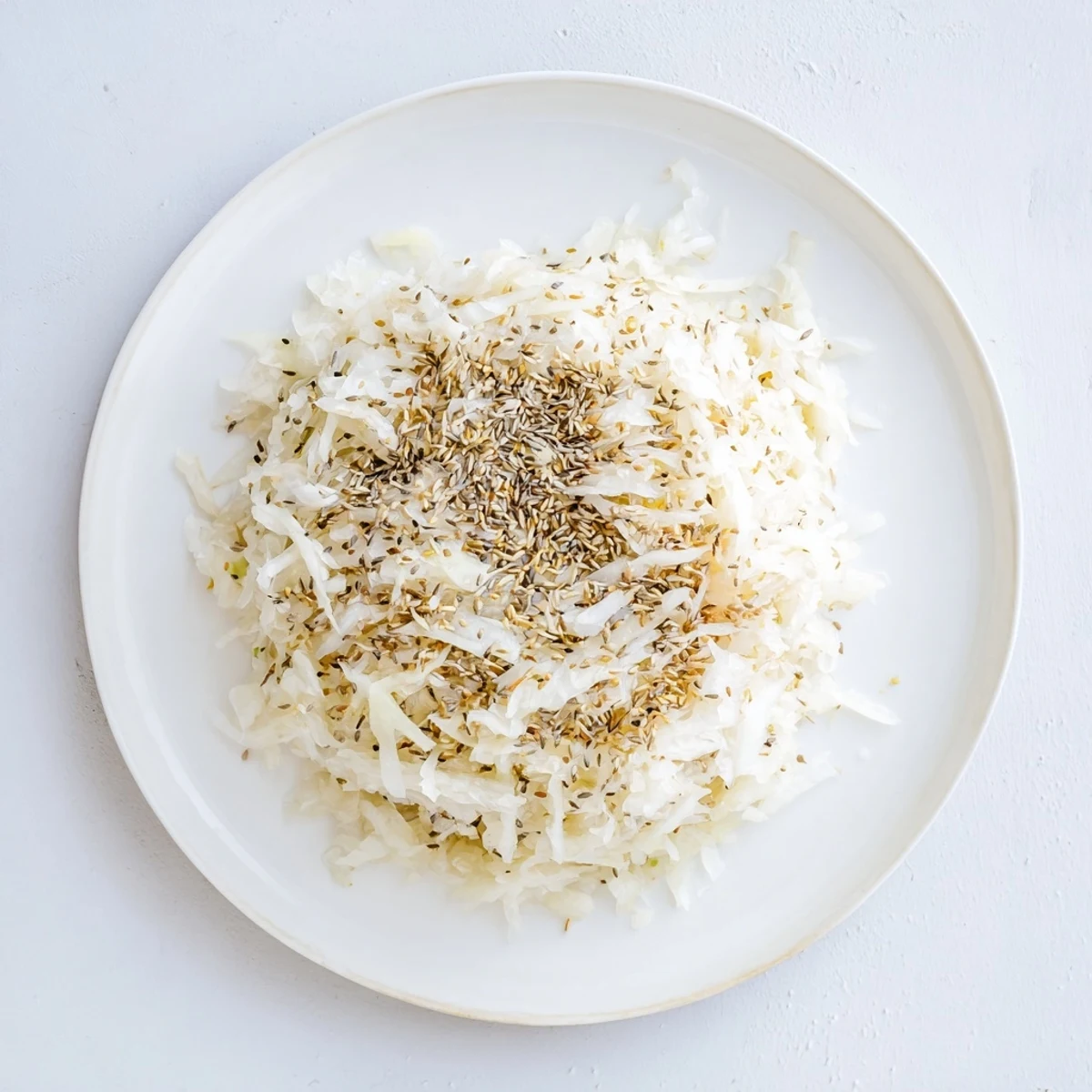
- Caraway seeds (1 tablespoon, optional): These tiny seeds add a warm, earthy note that rounds out the sharpness beautifully if you want a more traditional German profile.
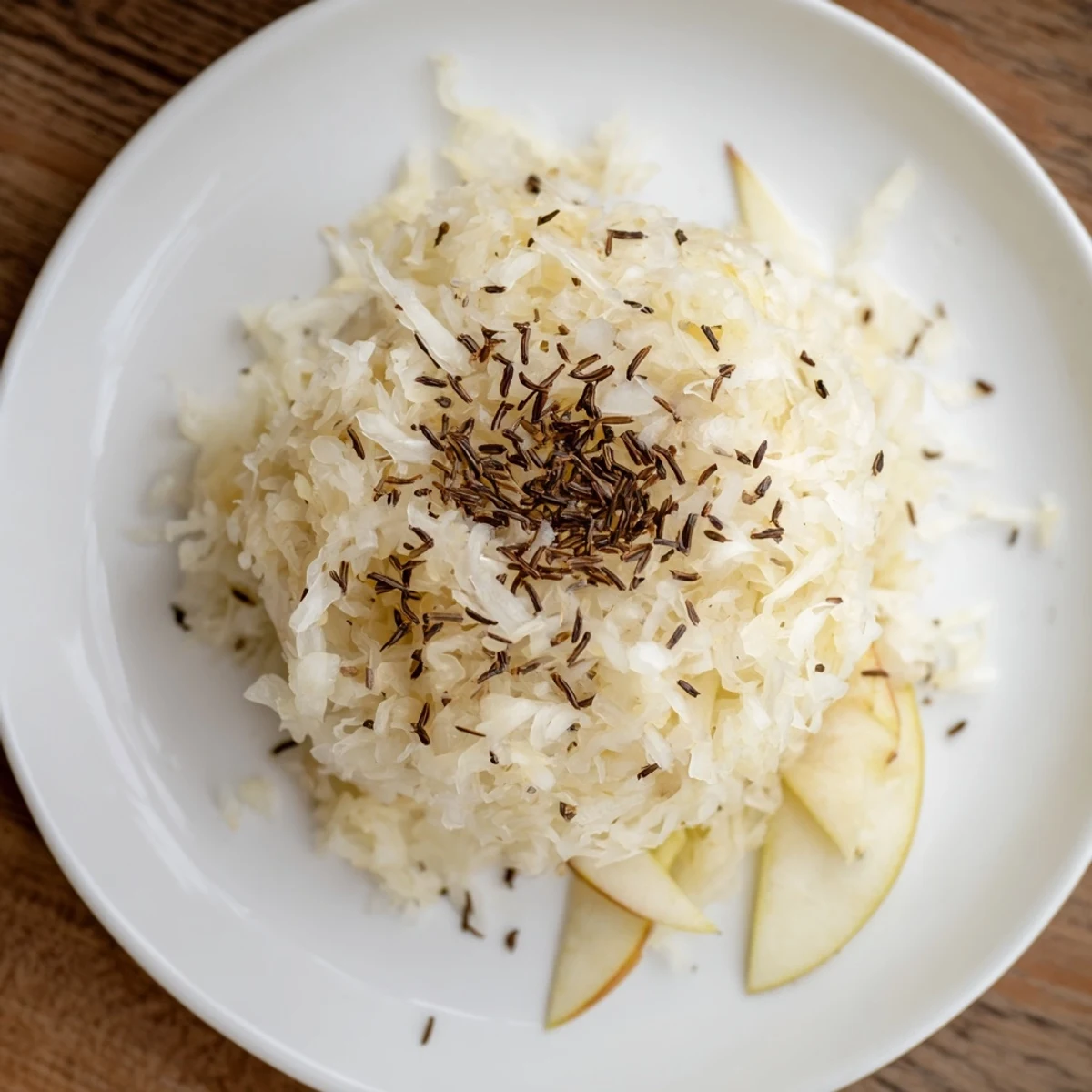
- Grated carrot or thinly sliced apple (optional): A handful of either brings subtle sweetness that balances the sourness as fermentation progresses.
Instructions
- Prep the cabbage:
- Peel away any limp or bruised outer leaves, quarter the head, carve out the tough core, and slice the quarters as thin and evenly as you can manage because uniform shreds ferment at the same rate.
- Salt and massage:
- Toss the shredded cabbage with salt in a large bowl, then dig in with both hands and work it relentlessly for five to ten minutes until the cabbage feels soft and pools of liquid collect at the bottom.
- Add your extras:
- If you are using caraway seeds, carrot, or apple, fold them in now so their flavors distribute evenly through the whole batch before packing begins.
- Pack the jar:
- Transfer everything including every drop of juice into a sterilized crock or large jar, pressing down hard with your fists or a tamper until the liquid rises above the cabbage level.
- Weigh it down:
- Set a fermentation weight or a clean smaller jar filled with water on top to keep every shred submerged because anything exposed to air will mold instead of ferment.
- Cover and wait:
- Drape a cloth over the opening or use a fermentation lid so gases can escape, then find a spot between 18 and 22 degrees Celsius away from sunlight and let nature take over for seven to twenty one days, tasting after the first week.
- Store and serve:
- Once the tang hits the level you love, move the jar to the fridge to slow fermentation, and serve it chilled or at room temperature alongside whatever makes you happy.
 Save to Pinterest
 There is something grounding about checking on a jar every day, watching bubbles form, knowing that tiny invisible organisms are doing all the real work while you just wait. That quiet partnership between patience and nature turned a simple cabbage into something I now keep in my fridge at all times.
What to Watch for During Fermentation
You might notice a faint bubbling sound when you press the cabbage down around day three or four, and that is exactly what you want to hear because it means the bacteria are active and producing lactic acid. A slight foam or white sediment at the bottom is normal, but anything fuzzy, colorful, or foul smelling means the batch needs to go.
Serving Suggestions Worth Trying
Piled high on a crusty roll with a grilled sausage and a smear of mustard, sauerkraut transforms a simple lunch into something you would pay good money for at a German market stall. It also plays surprisingly well with roasted potatoes, pork shoulder, or even tucked into a cheese sandwich for a sharp contrast.
Troubleshooting and Final Thoughts
Every batch teaches you something new about timing, temperature, and your own taste preferences, so do not stress about perfection on the first try. Keep a small notebook next to your fermentation station and jot down what you observe each day because those notes will make your next batch even better.
- If the cabbage tastes too salty at first, do not worry because the saltiness mellows significantly as fermentation progresses.
- Room temperature matters more than exact timing, so warmer kitchens will finish a batch faster and cooler ones will take longer.
- Always use clean utensils when removing sauerkraut from the jar to avoid introducing unwanted bacteria.
 Save to Pinterest
 Fermentation is the oldest form of cooking, and making sauerkraut connects you to that tradition in the most satisfying, hands in way possible. Trust the process, trust your taste buds, and enjoy every crunchy, sour bite you earned.
Recipe FAQs
- → How long does sauerkraut need to ferment?
-
Fermentation typically takes 7-21 days at room temperature. Begin tasting after one week and continue fermenting until you reach your desired level of tanginess. Longer fermentation produces more pronounced sourness.
- → What is the ratio of salt to cabbage for sauerkraut?
-
The traditional ratio is approximately 2% salt by weight. For 2 kg of cabbage, use 30g (about 2 tablespoons) of fine sea salt. This amount ensures proper fermentation while preventing harmful bacterial growth.
- → Do I need special equipment to make sauerkraut?
-
Basic equipment includes a large mixing bowl, sharp knife or mandoline, and a fermentation vessel like a glass jar or crock. A fermentation weight helps keep cabbage submerged, but you can substitute with a clean jar filled with water.
- → Why must the cabbage stay submerged during fermentation?
-
Keeping cabbage fully beneath its brine creates an anaerobic environment where beneficial lactobacillus bacteria thrive. Exposure to air encourages mold growth and spoilage, so proper submersion is essential for safe fermentation.
- → Can I add other flavors to my sauerkraut?
-
Classic sauerkraut uses only cabbage and salt. For variations, consider adding caraway seeds, juniper berries, bay leaves, grated carrot, sliced apple, or ginger. These ingredients complement the tangy fermentation flavor beautifully.
- → How should I store finished sauerkraut?
-
Once fermented to your taste, transfer sauerkraut to the refrigerator where it will keep for several months. The cold temperature slows fermentation significantly, preserving the flavor and texture at their peak.