
 Save to Pinterest
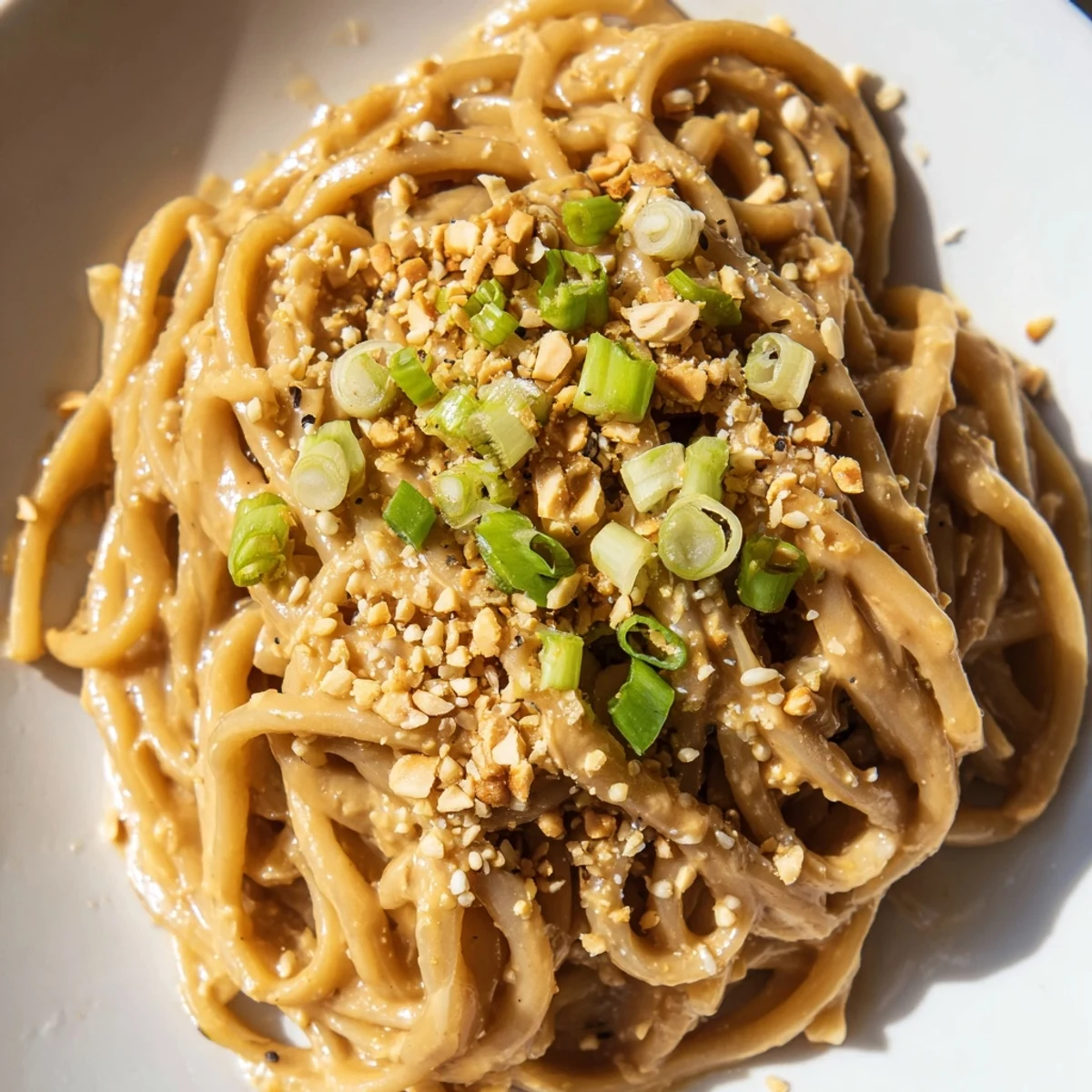
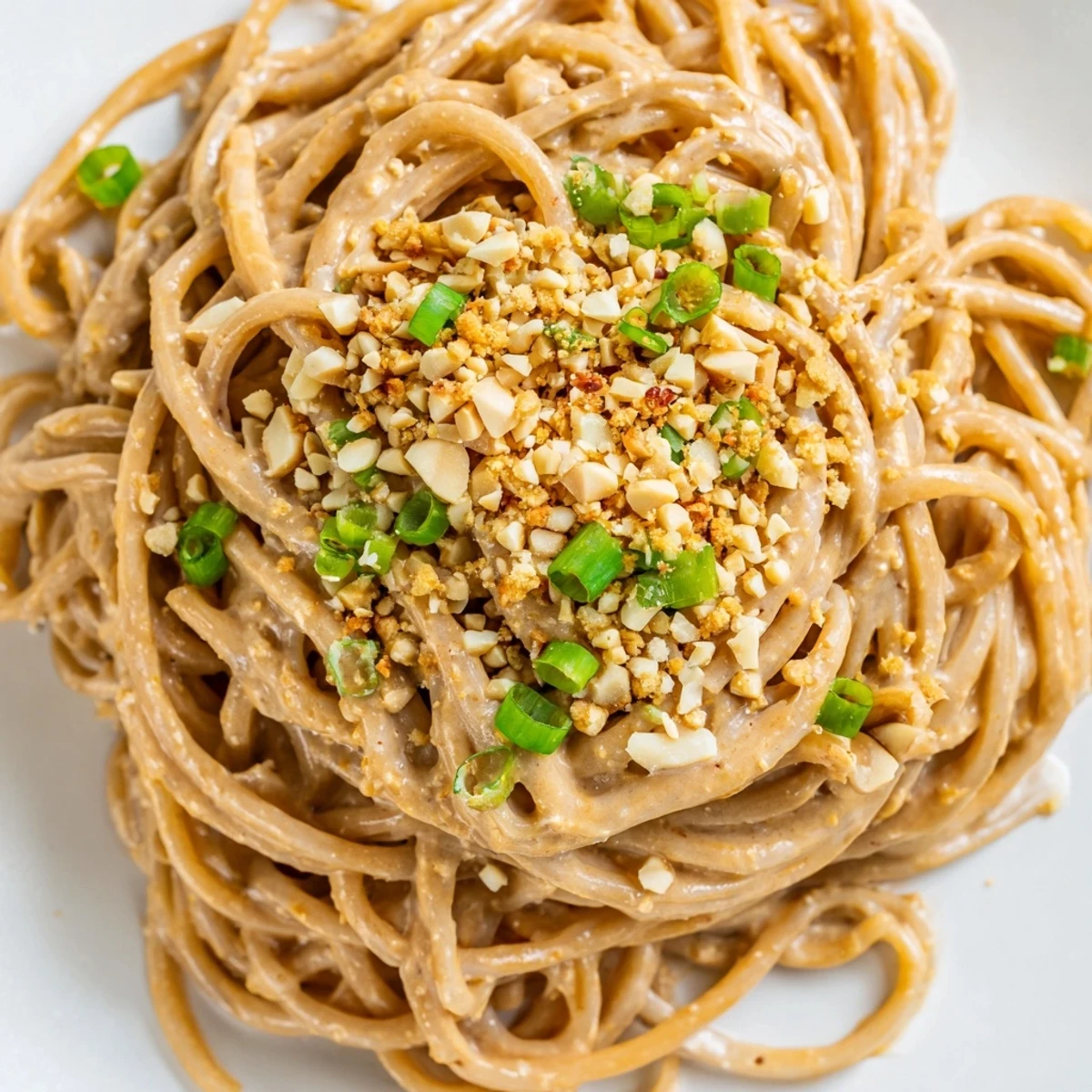
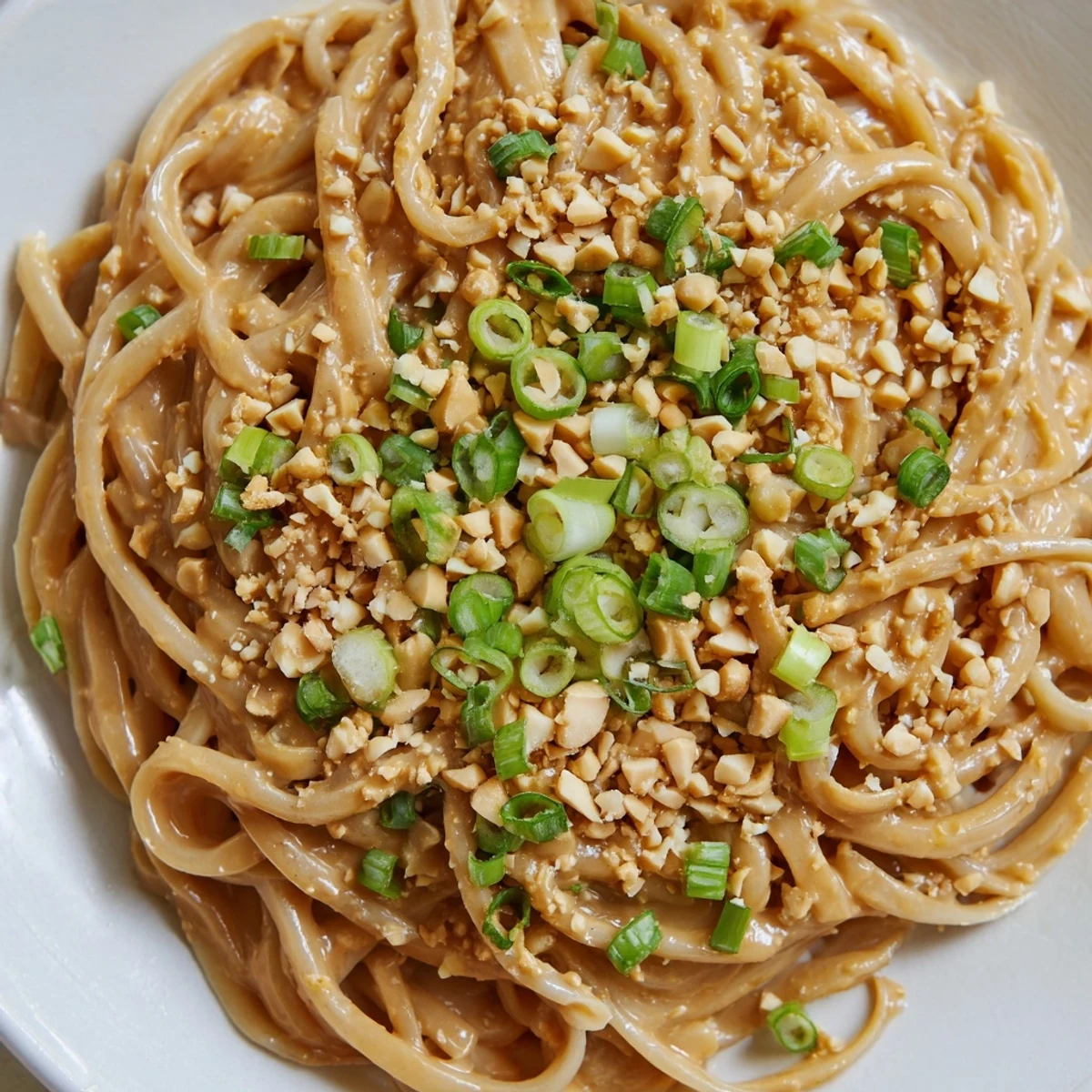
 These sticky peanut butter noodles deliver restaurant-quality flavor in just 20 minutes. The creamy sauce combines smooth peanut butter with soy sauce, rice vinegar, honey, and sriracha for a perfect balance of savory, sweet, and spicy. Tossed with al dente wheat noodles and topped with crunchy peanuts, fresh scallions, and sesame seeds, this dish offers incredible texture contrast. The versatile base welcomes protein additions like tofu or chicken, while the adjustable spice level makes it family-friendly. Naturally vegetarian and easily adaptable for gluten-free needs, these noodles satisfy cravings for comforting Asian-inspired flavors any night of the week.
The first time I made peanut butter noodles, I was halfway through a Tuesday evening, tired and staring at a jar of peanut butter like it might magically transform into dinner. My roommate walked in, caught me whisking furiously, and said "that smells like the takeout place we can't afford." We ate standing up in the kitchen, and I've never looked at a jar of peanut butter the same way since.
Last winter my sister came over during that awful week when everyone seems to be getting sick. I made a double batch, added extra sriracha, and we sat on the couch watching comfort movies while steam curled off our bowls. She asked for the recipe three times over the next month, and now it's her go-to sick-day comfort food too.
Ingredients
- Dried wheat noodles or spaghetti: The slightly rough surface catches sauce better than fresh noodles, but don't tell Italian food purists I said that
- Sesame oil: This prevents the dreaded noodle clump while adding that nutty foundation that makes everything taste restaurant-quality
- Creamy peanut butter: Skip the natural stuff with oil separation for this one, you want that creamy, clingy texture
- Soy sauce: Low sodium keeps you from accidentally creating salt bombs, but regular works if you skip the extra pinch later
- Rice vinegar: The secret weapon that cuts through all that richness so you don't feel heavy afterward
- Honey or maple syrup: Just enough sweetness to balance the salty without making it taste like dessert
- Toasted sesame oil: Different from regular sesame oil, this deep amber stuff is pure concentrated flavor
- Sriracha or chili garlic sauce: Start with less, you can always add more, but you can't take it back
- Fresh garlic and ginger: Jarred ginger works in emergencies, but fresh makes such a difference you'll wonder why you bothered
- Warm water: The temperature matters, cold water makes the sauce seize up into a stubborn lump
Instructions
- Cook your noodles to perfect al dente:
- Boil them according to the package, then drain and rinse under cold water to stop the cooking completely. That quick rinse with sesame oil keeps them from turning into a solid mass while you make the sauce.
- Whisk up your peanut sauce:
- Dump everything except the water into a bowl and whisk until it looks like a glorious, sticky mess. Stream in the warm water slowly, whisking constantly, until it transforms into something pourable and impossibly smooth.
- Unite noodles and sauce:
- Toss them together in your biggest bowl, really get in there with tongs or two wooden spoons. Every single noodle needs that glossy coating, so keep tossing until you don't see any bare patches.
- Pile on the toppings:
- Divide into bowls and go to town with the garnishes, the crunch against the creamy sauce is everything. Squeeze fresh lime over each portion right before eating and watch the flavors wake up.
 Save to Pinterest
 My friend's seven-year-old, who normally subsists on exactly three foods, took one skeptical bite and announced he was going to marry this recipe. His mom still texts me every time she makes it, saying it's the only dinner that guarantees clean plates without negotiation.
Make It Your Own
I've learned that the beauty of this dish is how forgiving it is. Sometimes I'll throw in whatever vegetables need using from the crisper drawer, or add a protein if I'm feeding people who need something more substantial.
The Spice Balance
Start with half the sriracha if you're uncertain, then taste and adjust. The heat hits differently once everything is tossed together, and you can always serve extra on the side for the brave souls at the table.
Make-Ahead Magic
The sauce actually improves after a day in the fridge, so I often double the batch and keep some in a jar. It turns into the quickest weeknight dinner you've ever made, and you'll feel like a meal prep genius.
- Cook fresh noodles when ready to eat, leftover noodles absorb all the sauce and get sad
- Thin the sauce with a splash more warm water if it's been refrigerated
- Bring the sauce to room temperature before tossing for the best coating
 Save to Pinterest
 Twenty minutes from now, you could be eating the kind of dinner that makes you forget you were tired in the first place. Sometimes the best recipes are the ones that save you on a Tuesday.
Recipe FAQs
- → Can I make these noodles gluten-free?
-
Yes, substitute wheat noodles with soba, rice noodles, or certified gluten-free pasta. Use tamari instead of soy sauce to ensure the entire dish remains gluten-free while maintaining the same delicious flavor profile.
- → How can I add more protein?
-
Top with grilled tofu, shredded rotisserie chicken, sautéed shrimp, or edamame. The nutty sauce complements almost any protein beautifully. For a plant-based boost, add crispy chickpeas or pan-fried tempeh.
- → Can I reduce the spice level?
-
Absolutely. Start with half the sriracha or omit it entirely for a mild version. The garlic, ginger, and sesame oil provide plenty of flavor without heat. Add chili oil on the table for those who want extra kick.
- → How long do leftovers keep?
-
Store in an airtight container for up to 4 days. The sauce thickens when cold, so reheat with a splash of water to restore creaminess. These noodles actually taste even better the next day as flavors meld together.
- → Can I freeze peanut butter noodles?
-
Freezing is not recommended as the sauce may separate and noodles become mushy. However, you can prepare the sauce in advance and refrigerate for up to a week. Cook fresh noodles when ready to serve for best texture.