
 Save to Pinterest
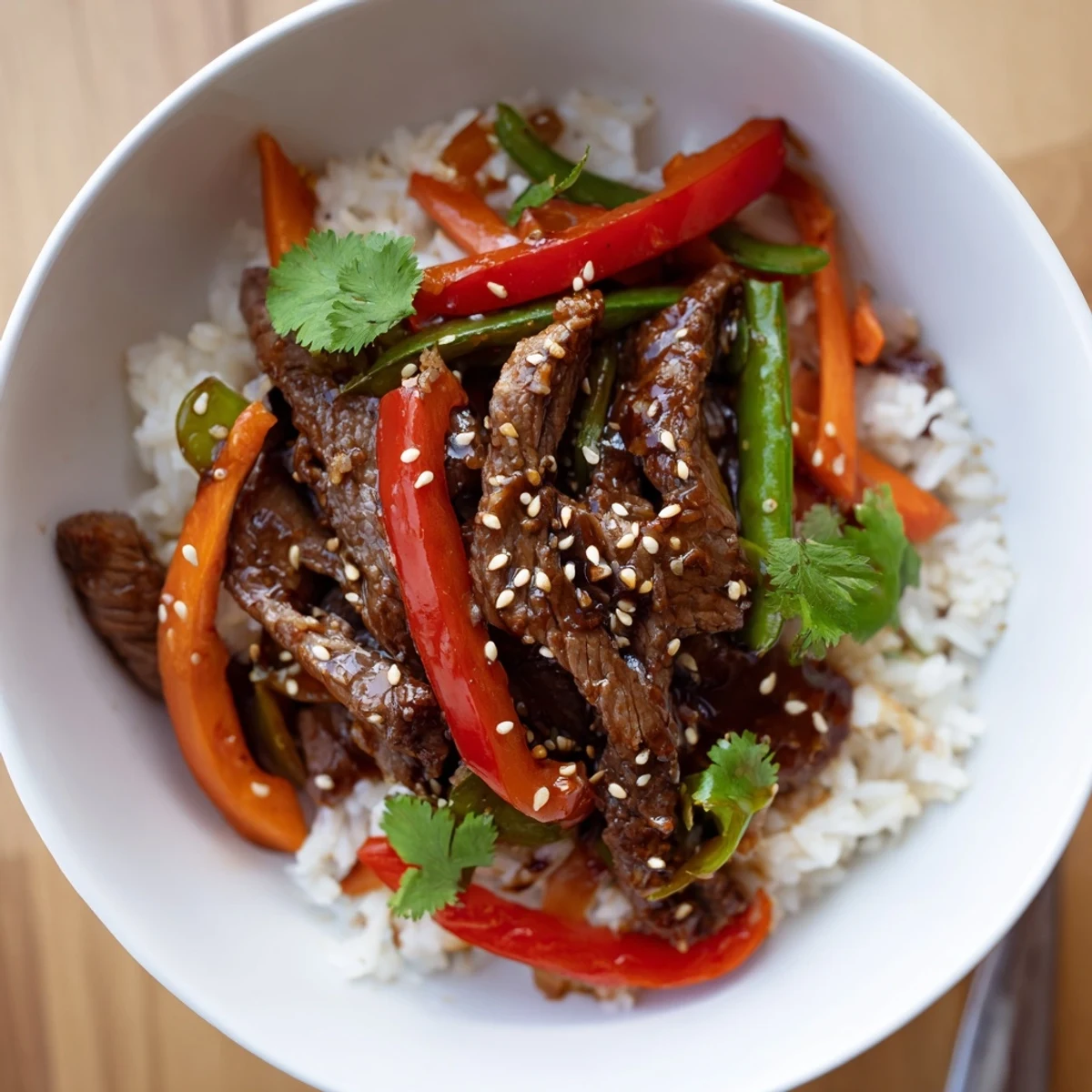
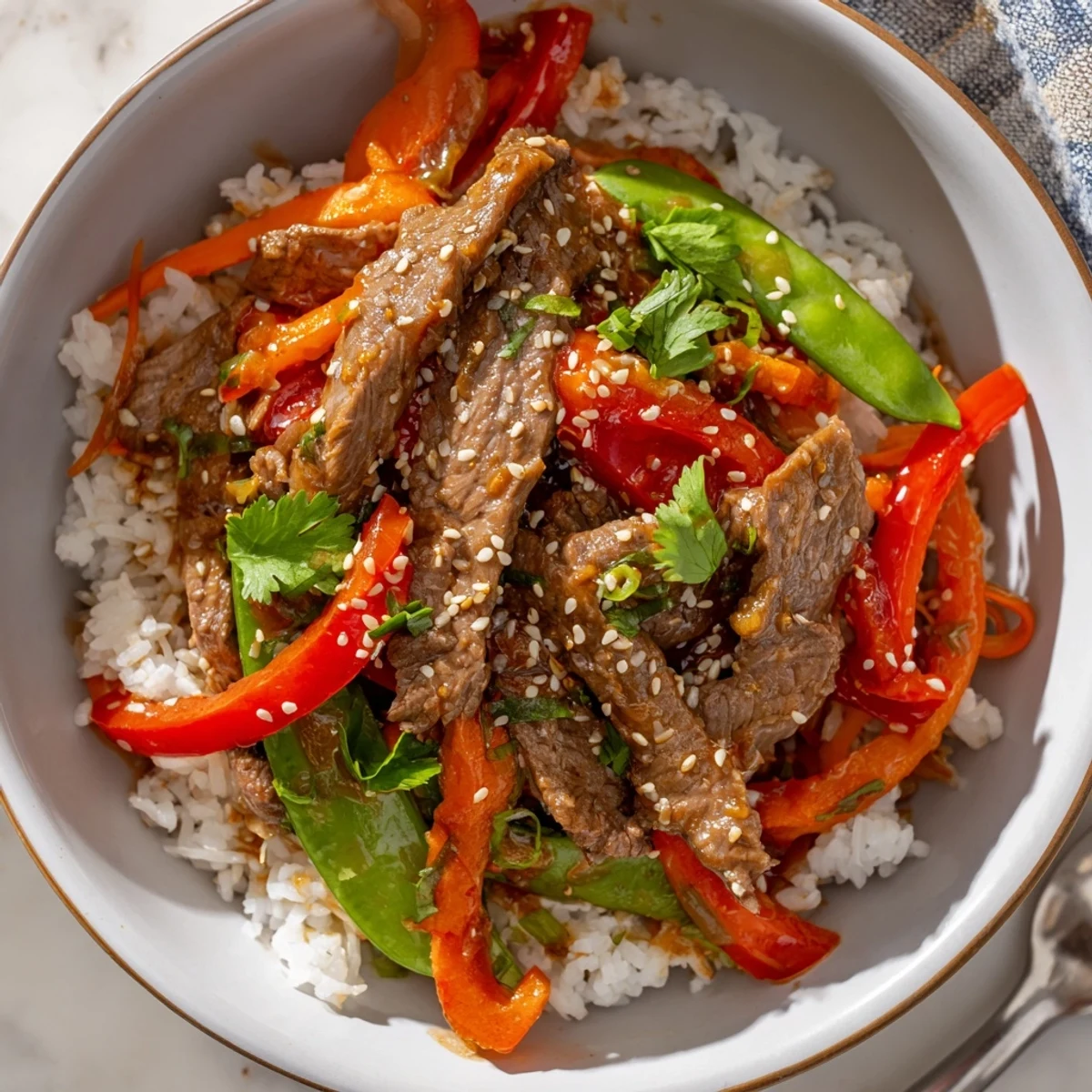
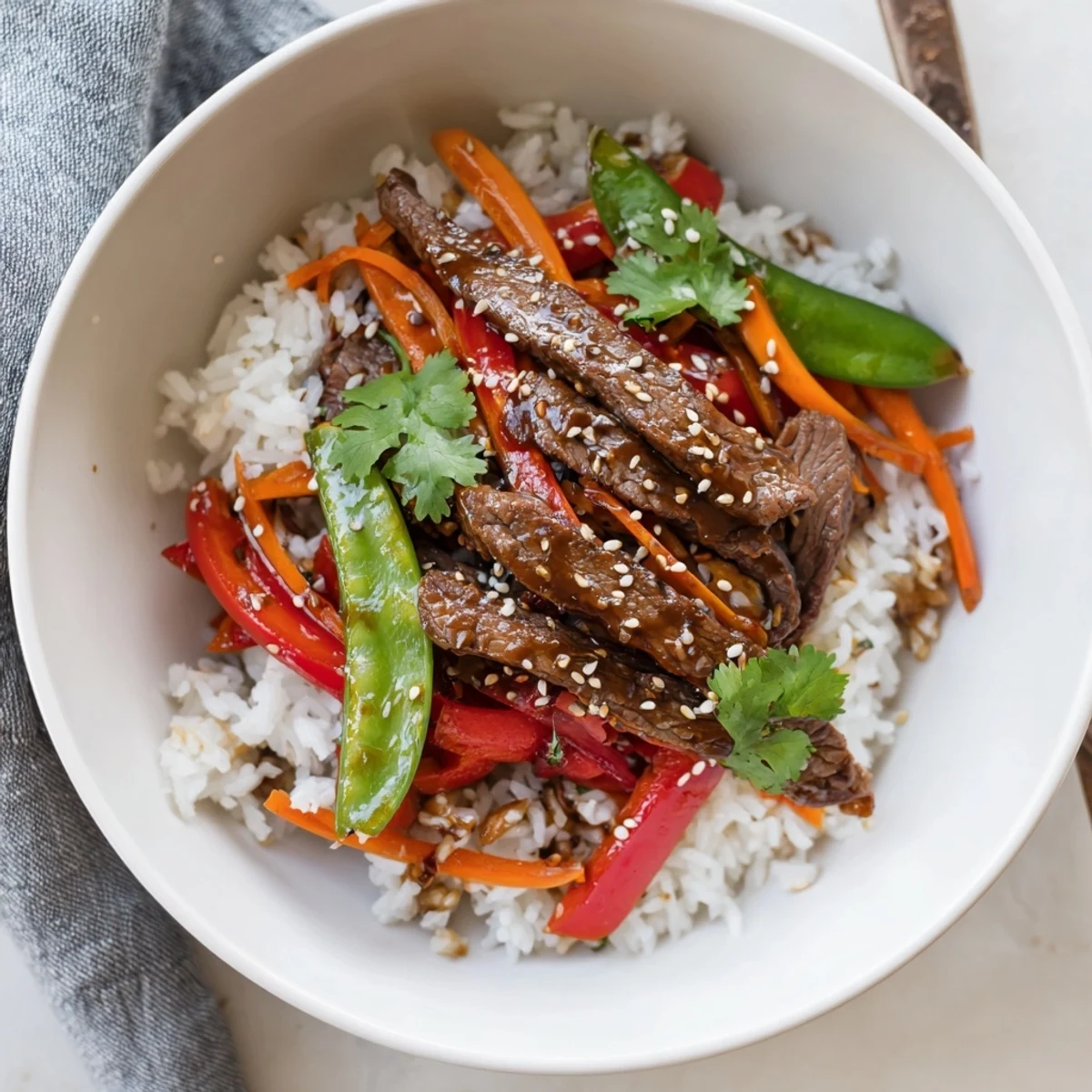
 This dish features tender strips of beef quickly seared and combined with crisp vegetables including carrots, bell pepper, cucumber, and sugar snap peas. A savory sauce made from soy, oyster sauce, honey, garlic, and ginger brings vibrant flavor. Served over fluffy steamed jasmine rice, the bowl offers a balanced and filling meal ready in just over half an hour. Garnish with spring onions and toasted sesame seeds for added texture and freshness. Adjust vegetables or add spice with sriracha for a personalized touch.
There's something about a properly built lunch bowl that just clicks, especially when you're tired of sad desk meals or reheated leftovers that taste like cardboard. I first fell in love with this beef bowl on a random Tuesday when I was rushing to use up some sirloin before it went bad, grabbed whatever vegetables were hanging around my crisper drawer, and threw together a sauce on the fly. The whole thing came together in under 40 minutes, and suddenly I had something so much better than what I'd been eating all week.
I made this for my coworkers one day when I brought lunch from home, and watching them stop what they were doing to actually eat properly instead of picking at their phones told me everything I needed to know. The bowl was just colorful enough to catch their attention, but what really sold them was that first bite, where the beef was still tender and the sauce had soaked into every grain of rice. One person asked for the recipe right then and there, which never happens.
Ingredients
- Beef sirloin or flank steak, thinly sliced (400 g): The thin slice is everything here, because it means the beef cooks in minutes and stays tender instead of becoming chewy. I learned the hard way that flank steak is more forgiving than sirloin if you accidentally over-cook it.
- Soy sauce (1 tbsp for beef marinade, 2 tbsp for sauce): This is your umami backbone, and it's worth using something you actually like because you taste it in every bite.
- Cornstarch (1 tbsp): This tiny amount creates a subtle coating that helps the beef brown beautifully and keeps it from sticking to the pan.
- Vegetable oil (1 tbsp): High heat oil prevents the beef from steaming instead of searing, so don't skip this step or use something with a low smoke point.
- Jasmine or basmati rice (300 g): The subtle floral notes in jasmine rice pair better with this sauce than long-grain white rice, but basmati works if that's what you have.
- Water and salt for rice (600 ml water, ½ tsp salt): The water-to-rice ratio here is precise, so measure it properly or you'll end up with mushy or undercooked rice.
- Carrot, julienned (1 medium): The thin cuts mean the carrot stays crisp and doesn't turn to mush during the quick stir-fry.
- Red bell pepper, sliced (1): Red peppers are naturally sweeter than green, which helps balance the saltiness of the soy sauce.
- Sugar snap peas, trimmed (100 g): These are the MVP vegetable because they stay crisp even with brief cooking, and they're beautiful on the plate.
- Cucumber, sliced (1 small): The raw cucumber is your refreshing counterpoint to the warm beef and sauce, so don't skip it or use cooked cucumber.
- Spring onions, thinly sliced (2): Save half of this for garnish on top so you get those crisp, fresh onion notes in every bite.
- Soy sauce for sauce (2 tbsp): Combined with oyster sauce, this deepens the savory layer without making the bowl taste one-dimensional.
- Oyster sauce (1 tbsp): A little goes a long way here, and it adds that coastal umami that makes people wonder what your secret ingredient is.
- Honey (1 tbsp): The honey isn't about sweetness so much as it is about rounding out the sharp edges of the vinegar and soy sauce.
- Sesame oil (1 tsp): Use real sesame oil, not the pale extraction stuff, because the toasted aroma is what people smell first and remember longest.
- Garlic clove, minced (1): Fresh garlic matters here because the sauce is quick and you want that sharp, bright note.
- Fresh ginger, grated (1 tsp): The ginger wakes everything up and adds a subtle warmth that makes the bowl feel more complete.
- Rice vinegar (1 tbsp): The acidity cuts through the richness of the oyster sauce and keeps the bowl from feeling heavy.
- Toasted sesame seeds (1 tbsp): These add a textural crunch and a roasted depth that feels intentional, not accidental.
- Fresh coriander leaves (optional): If you like cilantro, add it for a bright finish, but if you're one of those people who tastes soap, skip this entirely.
Instructions
- Start your rice first:
- Rinse the rice under cold water until the water runs clear, which removes excess starch and prevents gumminess. Combine rice, water, and salt in a saucepan, bring to a boil, then reduce heat to low, cover, and simmer for 12 to 15 minutes until the water is absorbed completely.
- Let the rice rest:
- Remove from heat and keep it covered for 5 minutes, which lets the rice finish cooking gently in its own steam. This step is non-negotiable if you want fluffy, separate grains instead of a mushy brick.
- Prep and coat your beef:
- While the rice cooks, slice your beef thinly and toss it with 1 tbsp soy sauce and cornstarch, which seasons it and creates a light coating. Let it sit for just a minute so the cornstarch can do its job, but don't let it sit too long or the cornstarch will turn gummy.
- Make your sauce:
- Whisk together soy sauce, oyster sauce, honey, sesame oil, minced garlic, grated ginger, and rice vinegar in a small bowl until combined. Taste it before you cook, and adjust the sweetness or saltiness now because once it hits the hot pan, you can't easily change it.
- Sear the beef properly:
- Heat vegetable oil in a large skillet or wok over medium-high heat until it shimmers and moves easily around the pan. Add the beef in a single layer and sear for 2 to 3 minutes until the edges brown but the center stays tender, then immediately remove it to a plate.
- Cook the vegetables fast:
- In the same pan with any browned bits still stuck to the bottom, add carrots, bell pepper, and sugar snap peas and stir-fry for 2 to 3 minutes until they soften slightly but still have some snap. The vegetables should never look wilted, or you've gone too far.
- Bring everything together:
- Return the beef to the pan, pour in the sauce, and toss everything for 1 to 2 minutes until the beef is heated through and every piece is coated in glossy sauce. The sauce should cling to everything, not pool at the bottom of the pan.
- Assemble and serve:
- Divide the fluffed rice among four bowls and top each with the beef and vegetable mixture, then finish with raw cucumber slices, fresh spring onions, toasted sesame seeds, and coriander if you're using it. Serve immediately while the beef is still warm and the cucumber is still cool.
 Save to Pinterest
 The best part about this bowl is how it made me realize that lunch doesn't have to be boring or forgettable, and that spending 35 minutes on yourself in the middle of the day is actually time well spent. Once you make this once, it becomes the thing you reach for when you want something that tastes restaurant-quality but actually came from your own kitchen.
The Art of Building a Better Bowl
A great lunch bowl is about contrast, and this one nails it because you've got warm and cool, soft and crisp, rich and bright all playing together. The secret isn't fancy ingredients or complicated technique, it's understanding that each element has a job, and when you respect that job, the whole bowl becomes more than the sum of its parts. Pay attention to your vegetable cuts because a julienned carrot tastes completely different from a chopped one, and that matters. Temperature contrast is underrated too, which is why the cold cucumber and warm beef in the same bite makes your mouth happy.
Sauce Mastery and Flavor Balance
The sauce is where this bowl gets its personality, and it's forgiving enough that you can taste as you go and adjust to your preference. Some days I add a touch more honey if I want sweetness, other days I add a splash of rice vinegar if I want brightness instead. The honey and oyster sauce together create this rounded sweetness that keeps the salty soy from becoming overwhelming, and the ginger and garlic add complexity without shouting about it. If you find yourself making this bowl regularly, you'll start improvising the sauce based on mood, which is exactly when cooking stops feeling like a task and starts feeling like play.
Make It Your Own
Once you understand how this bowl works, you can build it however you want because the structure stays the same. The vegetables list is just a suggestion, and you can swap in whatever you have on hand or whatever's in season, because the real magic is the beef, sauce, and rice foundation. The sauce also takes well to customization, whether that's a drizzle of sriracha for heat, a squeeze of lime juice for brightness, or a splash more sesame oil for richness. One person I know adds a fried egg on top, another swaps the rice for quinoa, and both versions are equally delicious because they understand the bones of the recipe.
- For extra spice, add a drizzle of sriracha or a pinch of red chili flakes right before serving so the heat stays bright instead of cooking out.
- Brown rice or quinoa work beautifully if you want added fiber, just adjust the cooking liquid and time according to the package directions.
- You can absolutely make this with chicken, pork, or even tofu if you adjust the cooking time and temperature to match your protein of choice.
 Save to Pinterest
 This bowl has become my default when I want something that feels intentional and tastes good, without the stress of complicated cooking. Make it once to learn the structure, then make it again to make it yours.
Recipe FAQs
- → What cut of beef works best for this bowl?
-
Thinly sliced sirloin or flank steak are ideal for tender, quick cooking.
- → Can I use a different type of rice?
-
Yes, jasmine or basmati rice is recommended, but brown rice or quinoa can be great alternatives for added fiber.
- → How do I make the vegetables retain their crispness?
-
Stir-fry vegetables briefly over medium-high heat to keep them tender-crisp, avoiding overcooking.
- → Is it possible to adjust the sauce for more heat?
-
Definitely! Adding sriracha or red chili flakes can bring extra spice without overpowering flavors.
- → Can I prepare any parts ahead of time?
-
You can slice the beef and chop vegetables in advance for quicker assembly and cooking when ready to serve.